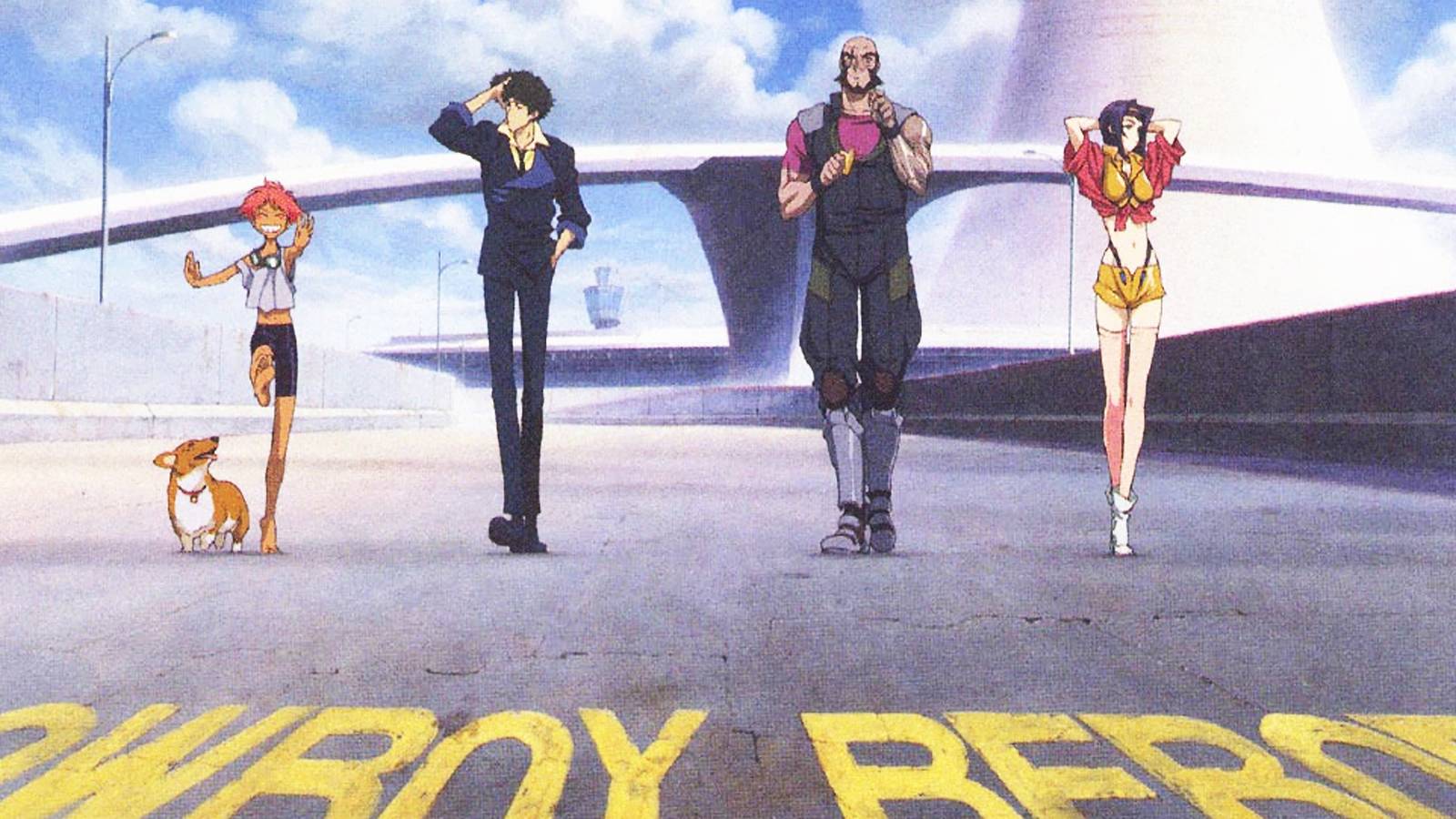
Cowboy Bebop successfully blended a wide array of genres and influences, leaving audiences craving more of their favorite elements once the credits rolled. Some fans miss the thrill of episodic bounty hunting, others yearn for the iconic jazz-infused score, and many simply long for the quirky dynamic between Spike Spiegel and the rest of the Bebop crew.
Fortunately, you don’t need a single series to check every single box, as various anime capture different fragments of what made Bebop special. These shows channel that same restless energy through unique genre blending, all while embracing a loose episodic format that gives the storytelling room to breathe between major narrative beats. While none of these titles attempt to be carbon copies, their distinct identities are precisely what make them worth experiencing.
Samurai Champloo Carries Cowboy Bebop’s Spirit Into The Edo Period

Director Shinichiro Watanabe developed Samurai Champloo while wrapping up production on Cowboy Bebop: The Movie, and that creative crossover shines through in the pacing and underlying themes. While it swaps the space opera backdrop for a historical setting, the narrative still grapples with personal freedom, mortality, and the true price of autonomy. Mugen, Fuu, and Jin constitute another delightfully chaotic trio, with Watanabe using the Edo era to weave in surprisingly forward-thinking messages about tolerance.
After a chaotic teahouse brawl results in a warrant for killing the local magistrate’s son, Fuu enlists Mugen and Jin as her bodyguards. Their quest to track down a mysterious samurai who smells of sunflowers forms the backbone of the story. Hip-hop influences seamlessly permeate traditional samurai culture without ever feeling forced. Mugen’s explosive temperament, Jin’s stoic discipline, and Fuu’s unwavering determination grant the series the same dynamic adaptability that once defined Spike, Jet, and Faye.
Trigun Turns A Wanted Man’s Past Into A Noir Western Manhunt
-
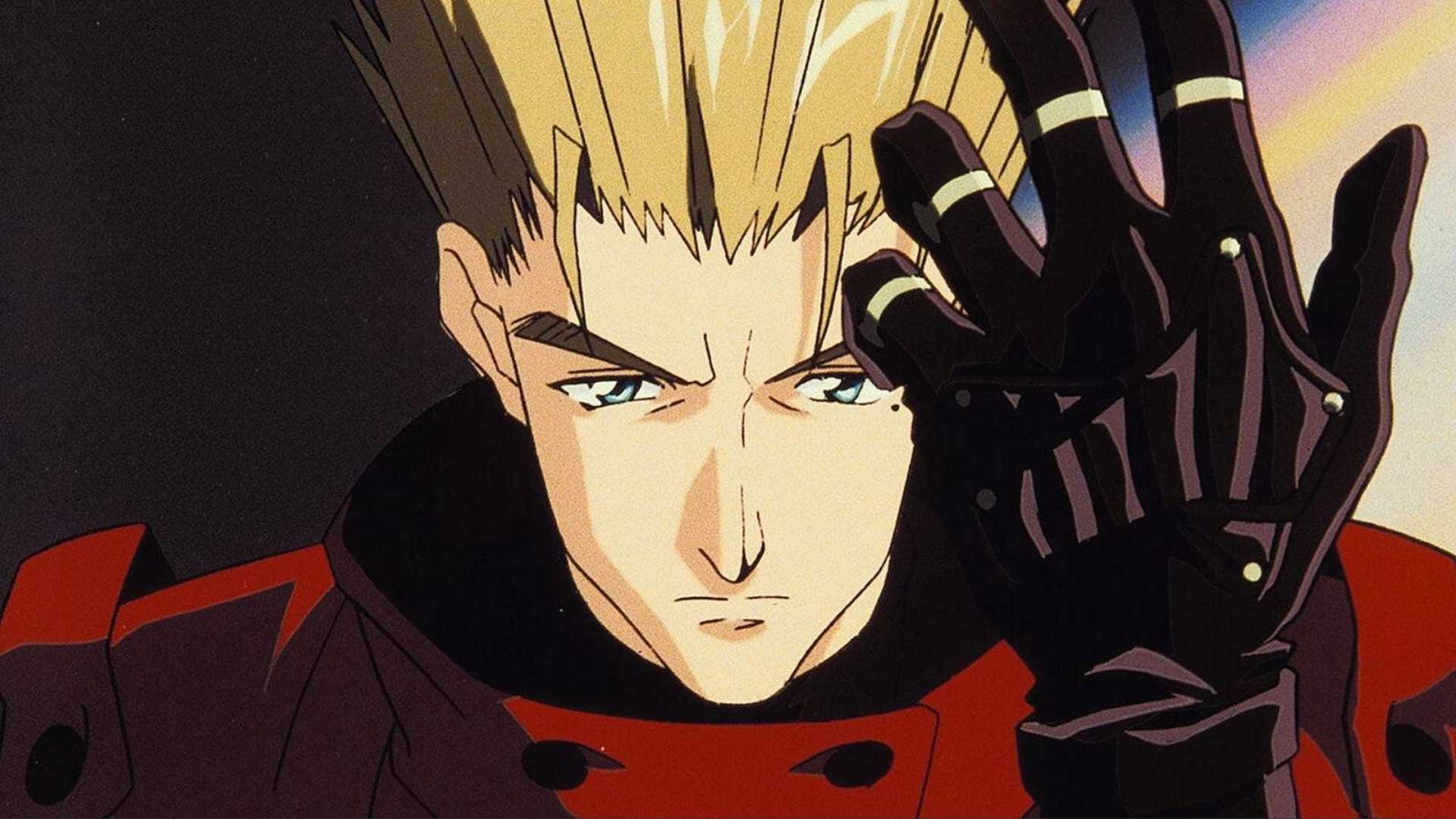 Image via Madhouse
 -
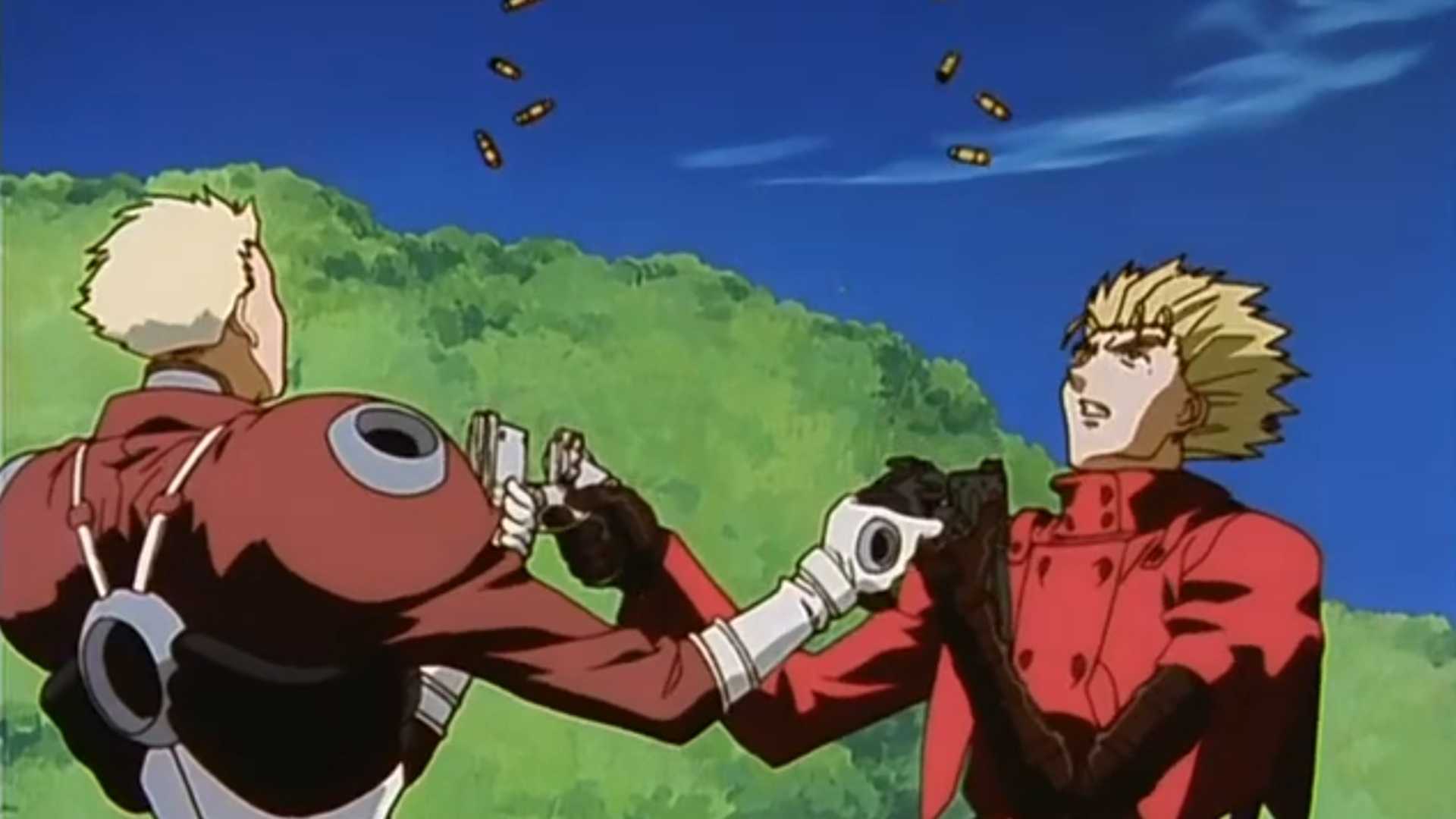 Image via Madhouse
 -
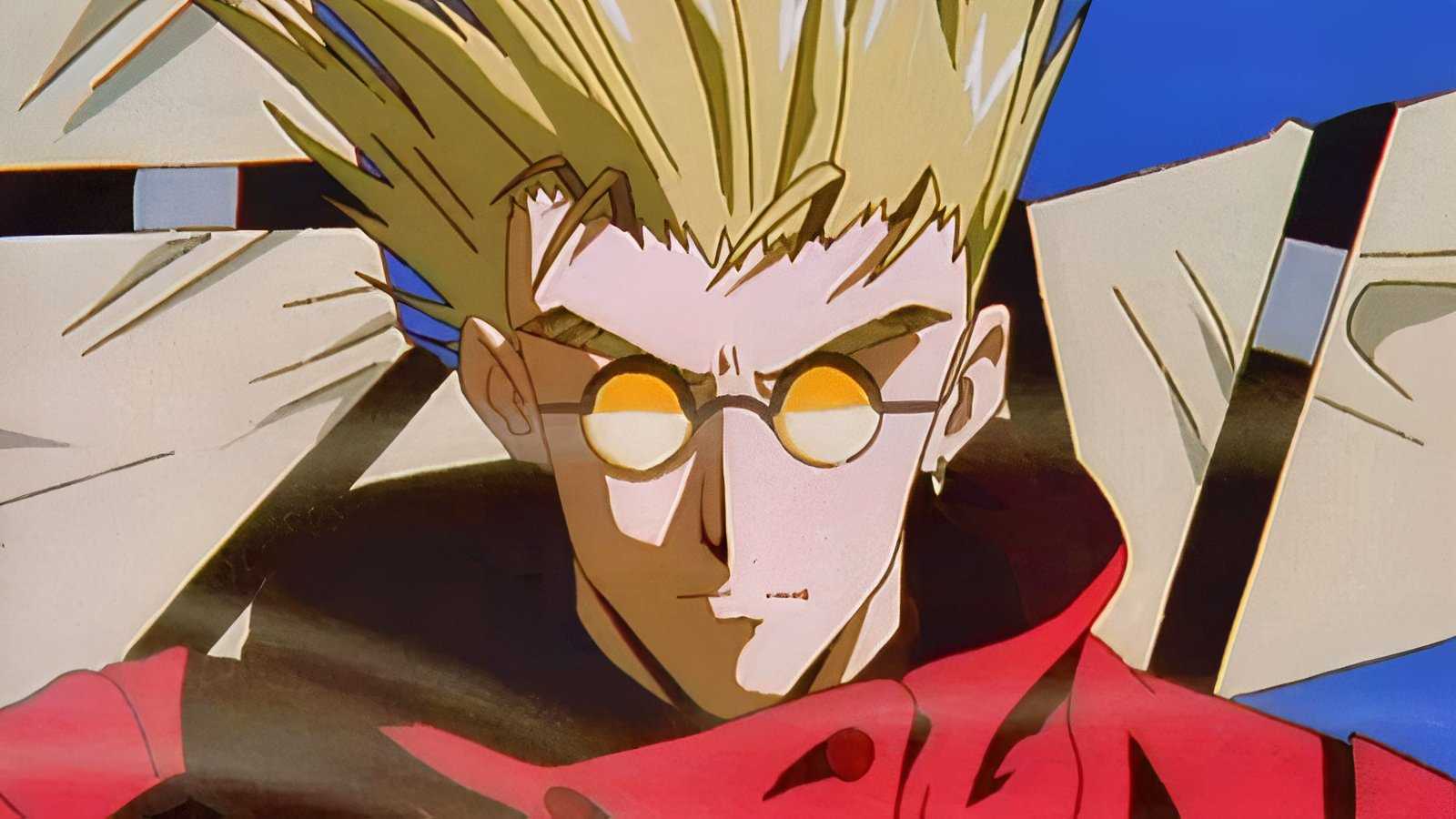 Image via Madhouse
The main character, Vash, bears a massive price on his head after a catastrophe involving his uncontrollable abilities inadvertently flattens an entire city. Trigun then spends its run exploring both the hunted man himself and the various bounty hunters and adversaries determined to cash in.
Vash acts as a more lighthearted parallel to Spike Spiegel, using humor to mask a tragic past while shifting effortlessly between slapstick comedy and genuinely high stakes. Its episodic framework allows the series to trickle out pieces of a larger overarching mystery without letting that lore bog down individual stories, heavily mirroring the structure of Bebop.
Lazarus Reunites Watanabe With Bebop’s Sci-Fi Roots But On A Strict Deadline
-
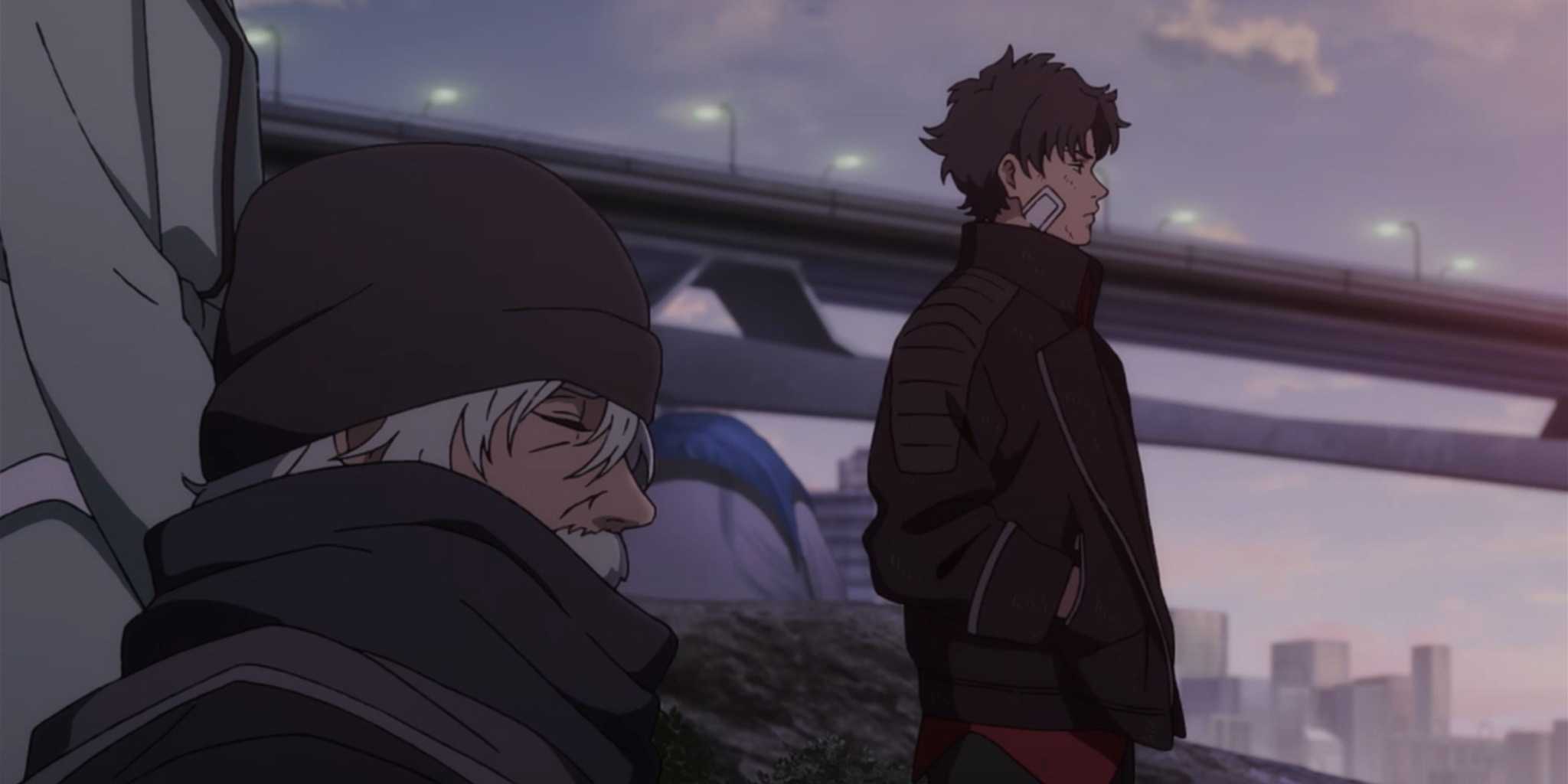 Image via MAPPA and Sola Entertainment
 -
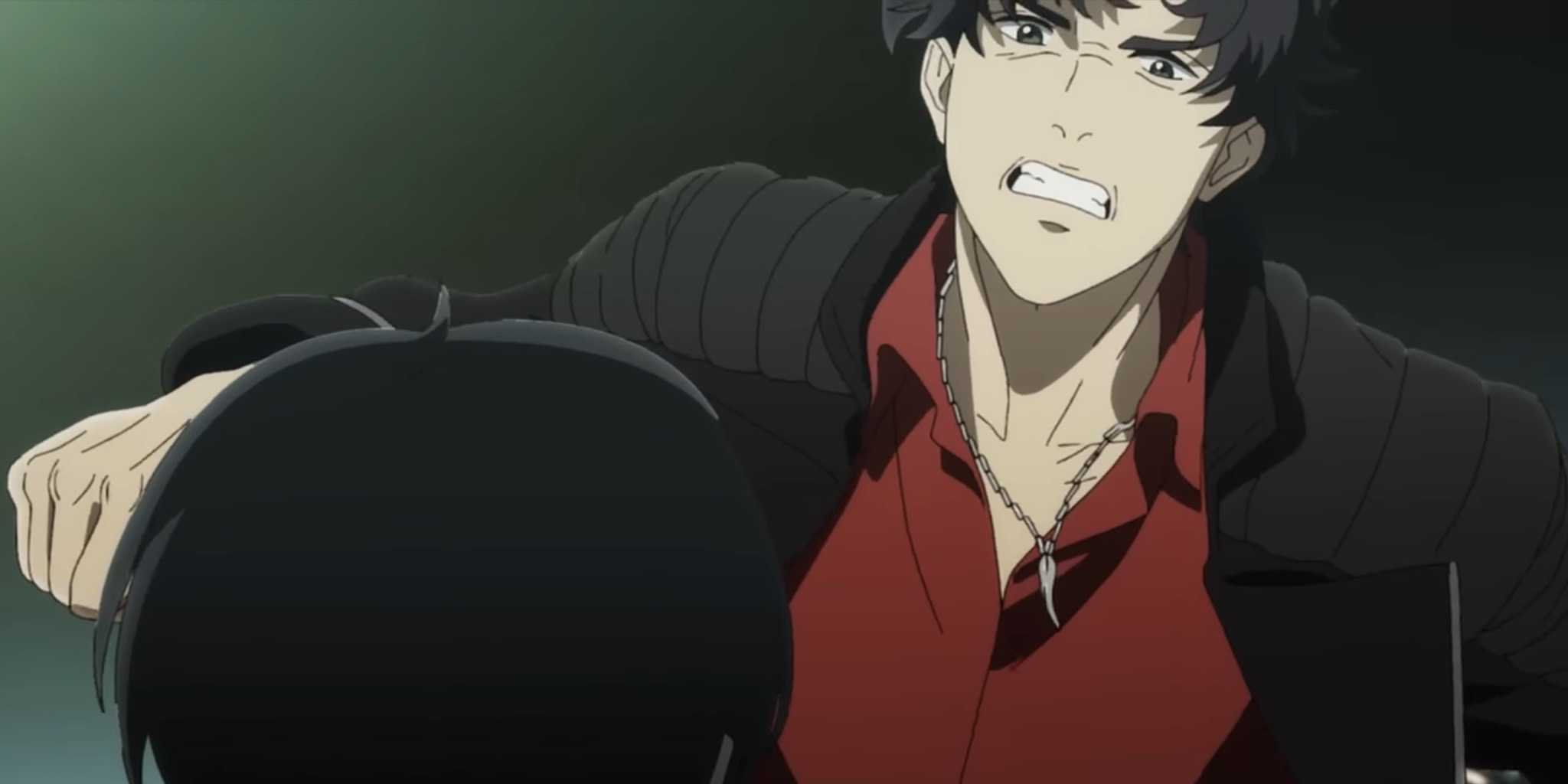 Image via Toonami
 -
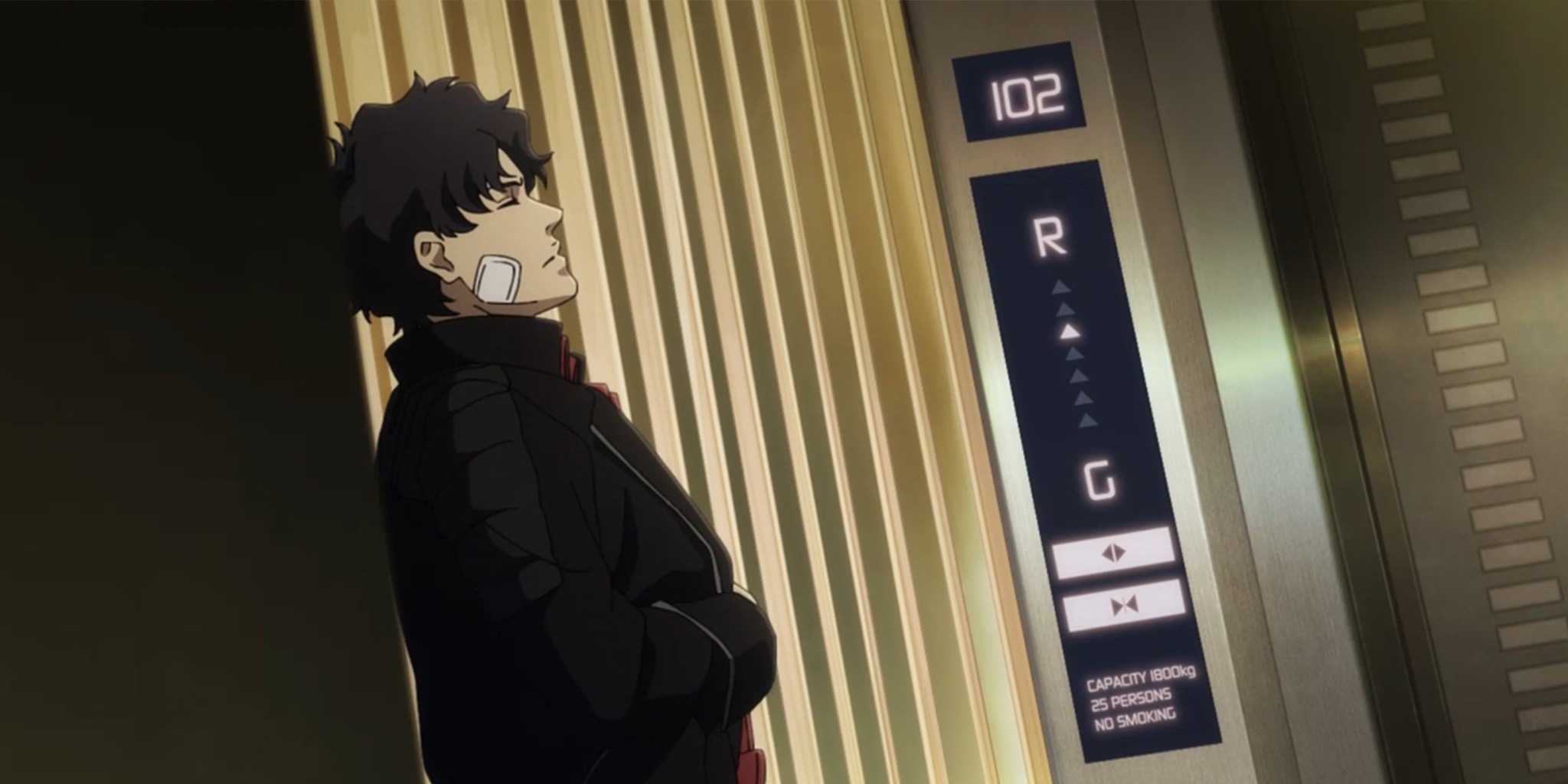 Image via MAPPA
A miracle pharmaceutical developed by Dr. Skinner called Hapna turns fatal three years after consumption, and a 2052 confession triggers a strict thirty-day countdown before patients begin dropping dead en masse. An incarcerated escapee named Axel forms a specialized team to hunt down Skinner and extract an antidote before time runs out. Watanabe ventures back into the underdog sci-fi aesthetic reminiscent of Cowboy Bebop, though Lazarus swaps that project’s leisurely tempo for relentless momentum.
Action choreography supervised by Chad Stahelski turns every skirmish into a breathtaking sequence you’ll want to rewatch. Characters are hurled straight into peril with barely a moment to catch their breath. While Lazarus doesn’t try to mimic Bebop‘s laid-back groove, it successfully explores similar dark corners of the human condition.
Space Dandy Takes Bebop’s Universe And Spins It Into A Playground For Absurdism

Dandy tracks down undocumented alien species across the cosmos alongside his robot companion QT and feline pal Meow, completely oblivious to the fact that Dr. Gel of the Gogol Empire is relentlessly pursuing him. Here, Watanabe stepped into a general director role, allowing Shingo Natsume and studio Bones to treat strict continuity as an afterthought—characters regularly die, turn into the undead, or drift into parallel dimensions only to return completely unscathed in the following segment.
Dandy radiates the same swagger as Spike and Faye, though it’s channeled entirely through non-stop comedic absurdity. Beneath the nonsense, Space Dandy occasionally veers into profound existential territory as the protagonist stumbles upon deep cosmic truths. Given that its setting technically occupies the far future of the Cowboy Bebop universe, it’s an essential watch for fans.
Terminator Zero Filters Judgment Day Through A Distinctly Japanese Lens

Malcolm Lee scrambles to finalize Kokoro, an artificial intelligence designed to counter Skynet, on the eve of Judgment Day in 1997 Tokyo. A relentless cybernetic killer targets Lee and his three children, while a resistance fighter dispatched from 2022 fights to protect them. Guided by director Masashi Kudo and Production I.G. based on Mattson Tomlin’s concept, the series anchors the Terminator lore in a much grittier, grounded reality than Bebop ever explored.
The firearm action carries a similar stylish flair that made Bebop‘s skirmishes unforgettable, even if the overall mood remains considerably heavier. Terminator Zero tackles contemporary fears surrounding artificial intelligence in a way few modern sci-fi shows pull off. Visually striking and narratively tight, it serves as a great spiritual successor for anyone missing Bebop.
FLCL Compresses Adolescent Chaos Into Six Frantic Episodes

Naota’s mundane existence spirals out of control the moment a portal erupts from his head, unleashing strange robots into his town after the eccentric alien Haruko Haruhara crashes her Vespa into him while tracking the shadowy Medical Mechanica corporation. Spanning just six episodes, FLCL packs in more narrative substance than shows three times its length, utilizing chaotic mecha action and surreal gags as a metaphor for growing up.
Electric guitars double as brutal weaponry while middle schoolers sprout mechanical appendages, offering a fresh visual take on puberty. The Pillows provide an unforgettable rock soundtrack much like how Bebop relied on jazz to anchor its identity, demonstrating how deeply both series integrate music into their DNA. However, while Bebop dwells on the heavy shadows of yesterday, FLCL dramatizes the turbulent confusion of youth in real-time.
Lupin III Predates Bebop’s Cool Criminal Charm By Decades

Debuting in 1971 long before Cowboy Bebop arrived on screens, Lupin III exerts an unmistakable influence over Watanabe’s atmospheric style. The master thief Lupin, grandson of the legendary Arsene Lupin, pulls off grandiose heists alongside ace marksman Daisuke Jigen while constantly giving law enforcement the slip.
Fujiko Mine further complicates matters as a classic femme fatale whose allegiances shift depending on her own self-interest, introducing a layer of romantic tension to the criminal escapades. Notably, Hayao Miyazaki and Isao Takahata directed episodes of the first season long before establishing Studio Ghibli, leaning into playful mischief rather than Bebop’s signature melancholy.
Michiko And Hatchin Matches Bebop’s Style With Brutal Emotional Depth

Michiko Malandro pulls off yet another prison breakout and rescues Hana—believed to be the daughter of her presumed-dead former lover, Hiroshi—rescuing the girl from a hostile foster home and dragging her into a breathless trek across a crime-infested South America. Studio Manglobe builds a vibrant atmosphere, replacing Bebop‘s starry expanse with sun-soaked, perilous landscapes.
Music is just as vital here as the animation itself, driving high-speed motorcycle chases and softer, intimate moments alike. Heavy themes regarding poverty, abuse, and systemic corruption anchor the flashy presentation in raw emotional reality. Because of these meticulously crafted subplots, Michiko and Hatchin easily earns comparisons to Bebop while standing tall as a brilliant character study.
Baccano Tangles Immortality And Mafia Violence Into Non-Sequential Chaos

Set aboard the Flying Pussyfoot transcontinental train in 1930s America, Baccano intertwines mafia feuds, a researcher hunting down misplaced vials of an immortality potion, and an ensemble cast so massive that pinpointing a single main character is impossible. While Bebop played fast and loose with narrative structure, Baccano takes it a step further, presenting its puzzle-box plot entirely out of chronological order in a manner reminiscent of pulp fiction. The initial confusion gradually gives way to a satisfying payoff that practically demands a rewatch.
Its opening track, “Guns and Roses,” echoes the memorable bassline of Bebop’s “Tank!”, and the jazzy score perfectly accentuates the period piece atmosphere. The characters proudly defy simple moral categorization, featuring flawed heroes and surprisingly sympathetic villains who operate in a gray area rather than strict good-versus-evil archetypes. Where Bebop focuses intimately on its core group’s personal demons, Baccano distributes that depth across a massive, unpredictable cast.
Kekkai Sensen Traps New York In A Portal And Never Stops Sprinting

New York transforms into Hellsalem’s Lot the instant a dimensional rift opens, trapping everyday citizens alongside otherworldly entities behind an impenetrable barrier. The secret organization Libra works tirelessly to keep this fragile coexistence from sliding into complete anarchy. Leonardo Watch gets pulled into their ranks after trading his sister’s vision for the “All-Seeing Eyes of the Gods,” thrusting a normal kid into a wildly surreal environment.
Monsters, supernatural abilities, and dark comedy collide within an urban backdrop that feels like a living character, functioning almost like an eccentric tabletop RPG campaign. Few anime maintain this level of creative energy across every single installment, and Kekkai Sensen easily earns a spot among those elite titles—not to mention its jazz-infused soundtrack heavily channels Cowboy Bebop‘s aesthetic.

- Genre
-
Animation, Action, Adventure
- Language
-
English
- Number of Seasons
-
1
- Debut Date
-
October 24, 1998
- Studio
-
Sunrise