Animated feature films frequently enjoy greater narrative and creative latitude compared to episodic television. While many of the medium’s most celebrated movies are designed as crowd-pleasing experiences for all ages, truly exceptional titles tailored specifically for mature audiences are comparatively scarce.
Despite the persistent misconception that animation is primarily intended for younger viewers, R-rated anime films decisively challenge that notion, demonstrating the profound impact of darker, more explicit storytelling. While certain titles lean into excess, such as Demon City Shinjuku, masterpieces like Vampire Hunter D: Bloodlust and Satoshi Kon’s Perfect Blue endure as towering achievements in the medium.
Vampire Hunter D: Bloodlust Mixes Grim Gothic Horror With Intense Action & Dark Romance

-
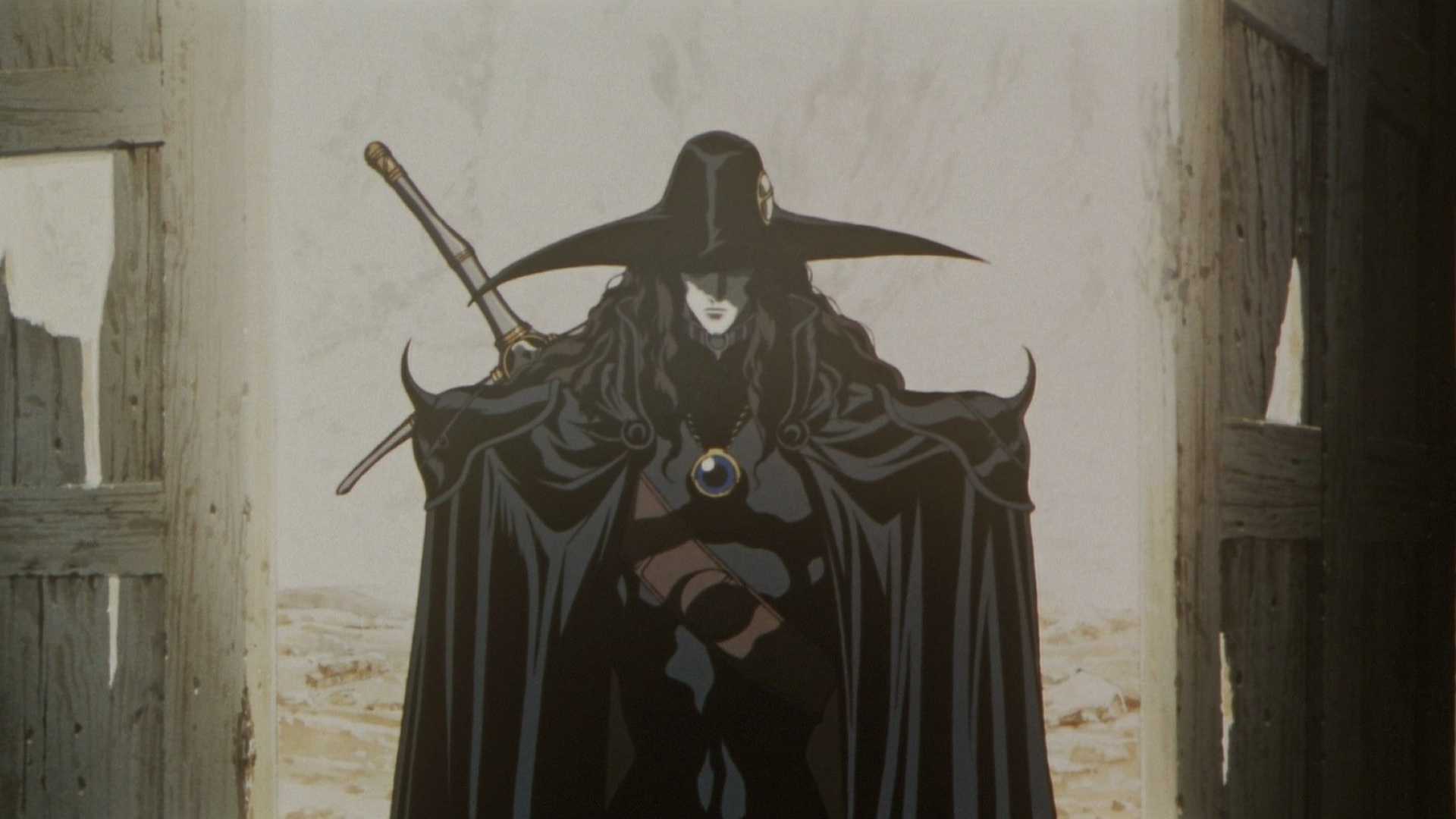 Image via Madhouse
 -
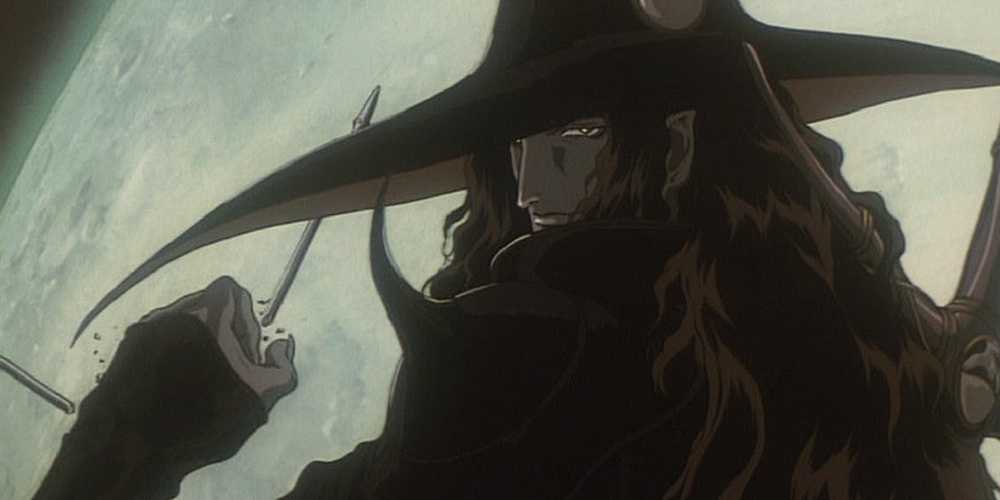 Image via Madhouse
 -
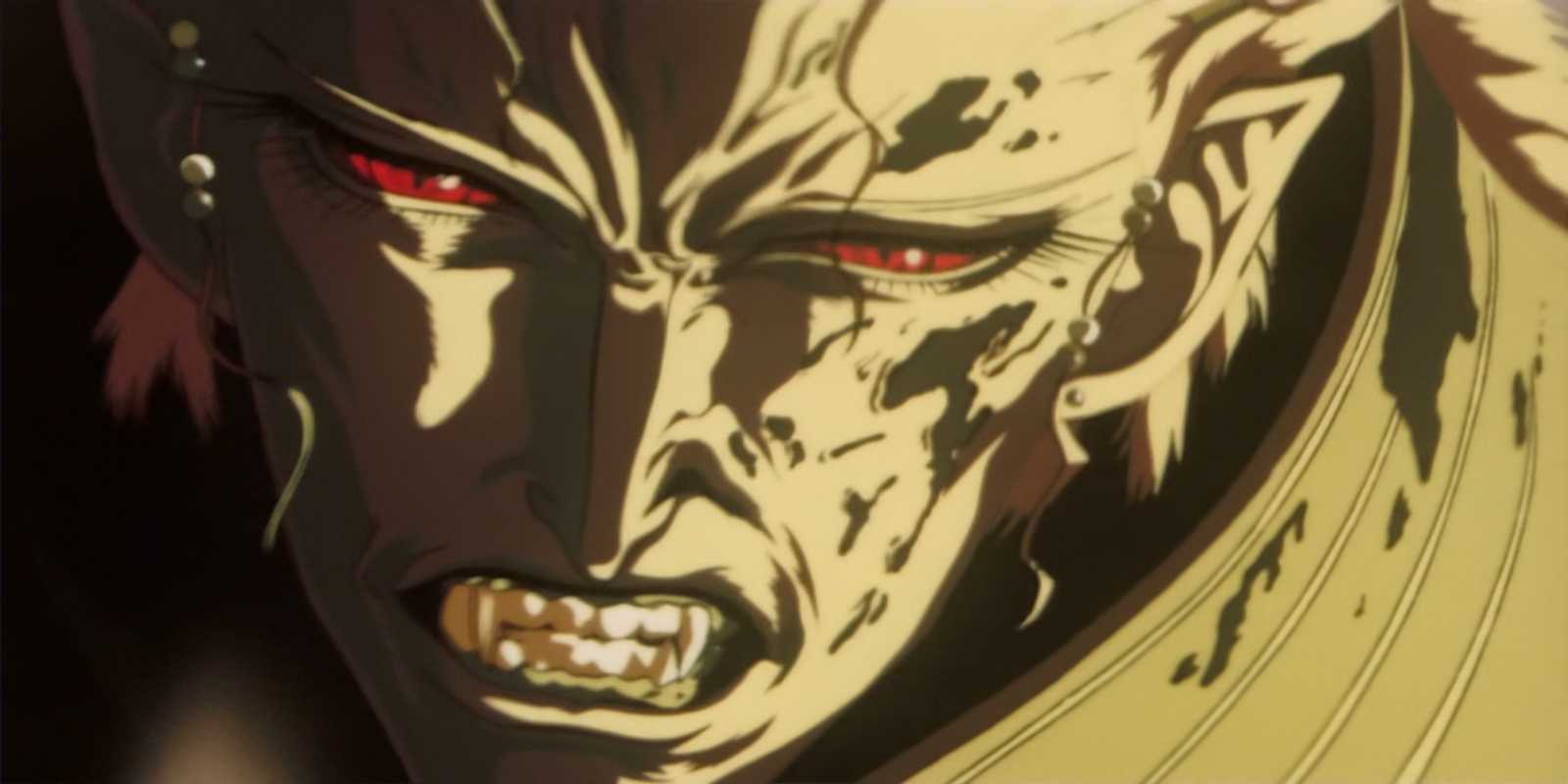 Image via Madhouse
 -
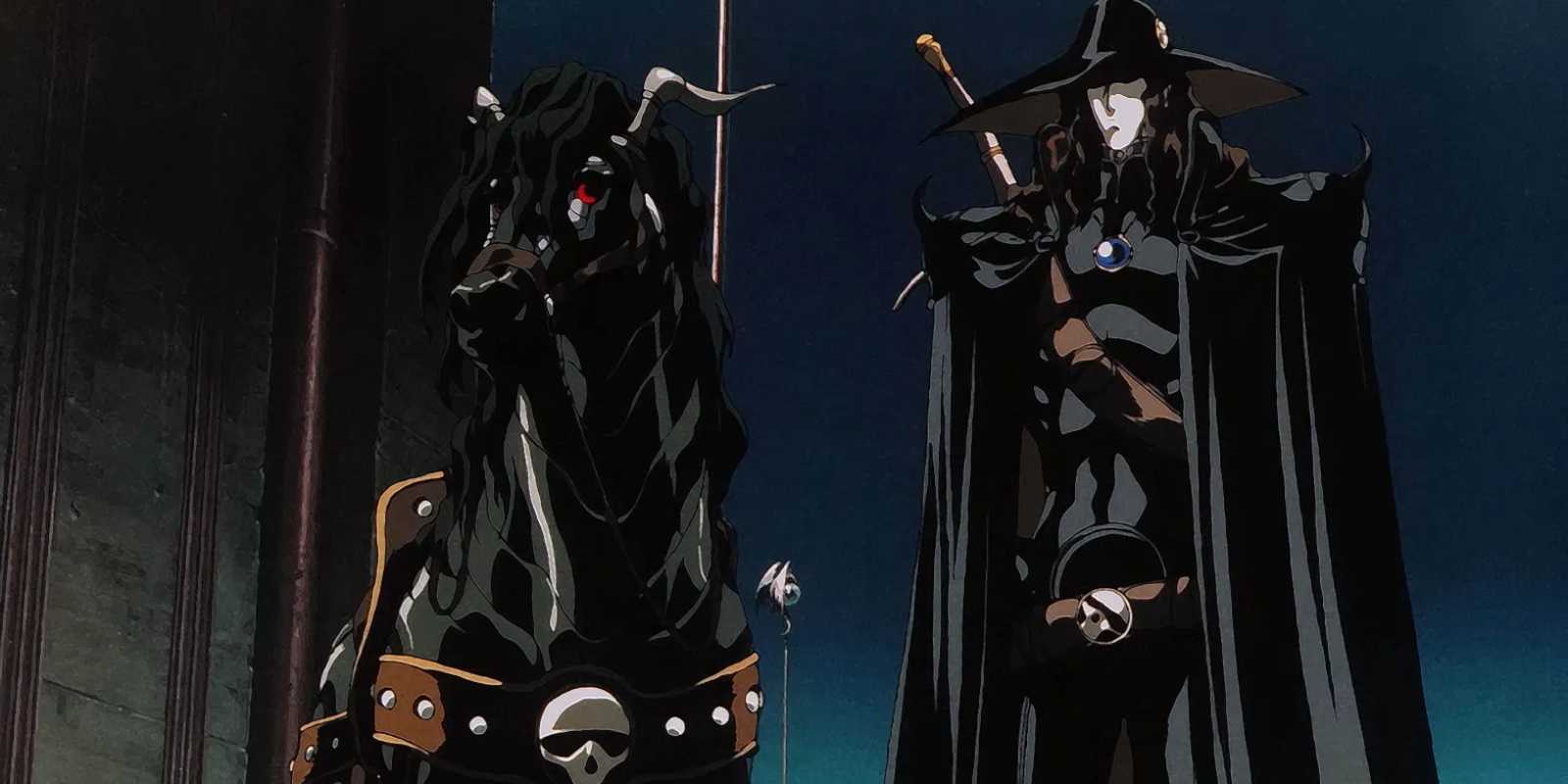 Image via Madhouse Studio
Based on the extensive literary franchise by Hideyuki Kikuchi and Yoshitaka Amano—comprising nearly 60 novels—Vampire Hunter D stands as a cornerstone of Japanese gothic horror. Although the source material is vast, screen adaptations have been relatively scarce. The 1985 original movie made significant waves by introducing viewers to the stoic anti-hero, D.
However, its 2000 follow-up, Vampire Hunter D: Bloodlust, is widely regarded as the superior cinematic project. Helmed by legendary director Yoshiaki Kawajiri—renowned for his work on mature projects like Wicked City, Ninja Scroll, and Demon City Shinjuku—the sequel brings a distinct creative vision to the table.
Kawajiri’s expertise in high-stakes action and dark horror proves to be an ideal match for the source material, resulting in an unflinchingly intense production. The narrative centers on D, a dampening dhampir (vampire-human hybrid), tasked with tracking down a young woman supposedly abducted by a powerful vampire named Meier Link. Complicating the mission are rival bounty hunters pursuing the same target, giving rise to wildly imaginative action sequences characterized by graphic violence, surreal bodily transformations, and striking creature designs.
Demonstrating a talent for crafting memorable adversaries, Kawajiri populates Bloodlust with formidable foes, including a werewolf, a shape-shifter, and a menacing shadow master who outshine the antagonists of the original film. Benefiting from a 15-year technological leap, Bloodlust delivers breathtaking visuals and precise direction that elevate its gothic-horror atmosphere with a distinct sci-fi aesthetic.
Beyond its visceral action, Vampire Hunter D: Bloodlust succeeds by subverting simple binaries of good and evil. This nuance is exemplified by Charlotte, the supposed kidnapping victim, who has actually eloped with Meier of her own free will. It is a brooding narrative populated by grim, atmospheric set pieces that offer far more than mere spectacle.
The End Of Evangelion Unleashes An Alienating Existential Apocalypse

Hideaki Anno’s Neon Genesis Evangelion revolutionized the mecha genre while serving as a profound exploration of isolation, depression, and human connection, ultimately arguing that enduring real-world pain is preferable to retreating into comforting illusions. While the original series established these philosophical stakes, the concluding feature film, The End of Evangelion, brought them to a definitive, explosive head.
Many viewers expressed dissatisfaction with the original broadcast’s final episodes, which adopted an intensely internal, psychological approach to the cosmic apocalypse known as the Third Impact and Human Instrumentality. The End of Evangelion was conceived to provide a more outward, plot-driven perspective to satisfy bewildered fans.
Nevertheless, the cinematic finale proved to be an even more ambitious, provocative spectacle. Brimming with emotional intensity and psychological hostility, the film frequently confronts the audience directly, compelling viewers to examine their own complex relationship with the franchise.
Decades after its premiere, it remains an uncompromising, poignant critique of escapism and mental anguish. Earning its R-rating through harrowing violence, psychological trauma, and surreal imagery that mimics a waking nightmare, The End of Evangelion stands as a landmark accomplishment in animation that has rarely been equaled.
Ghost In The Shell Maturely Explores Human Identity & Artificial Intelligence

-
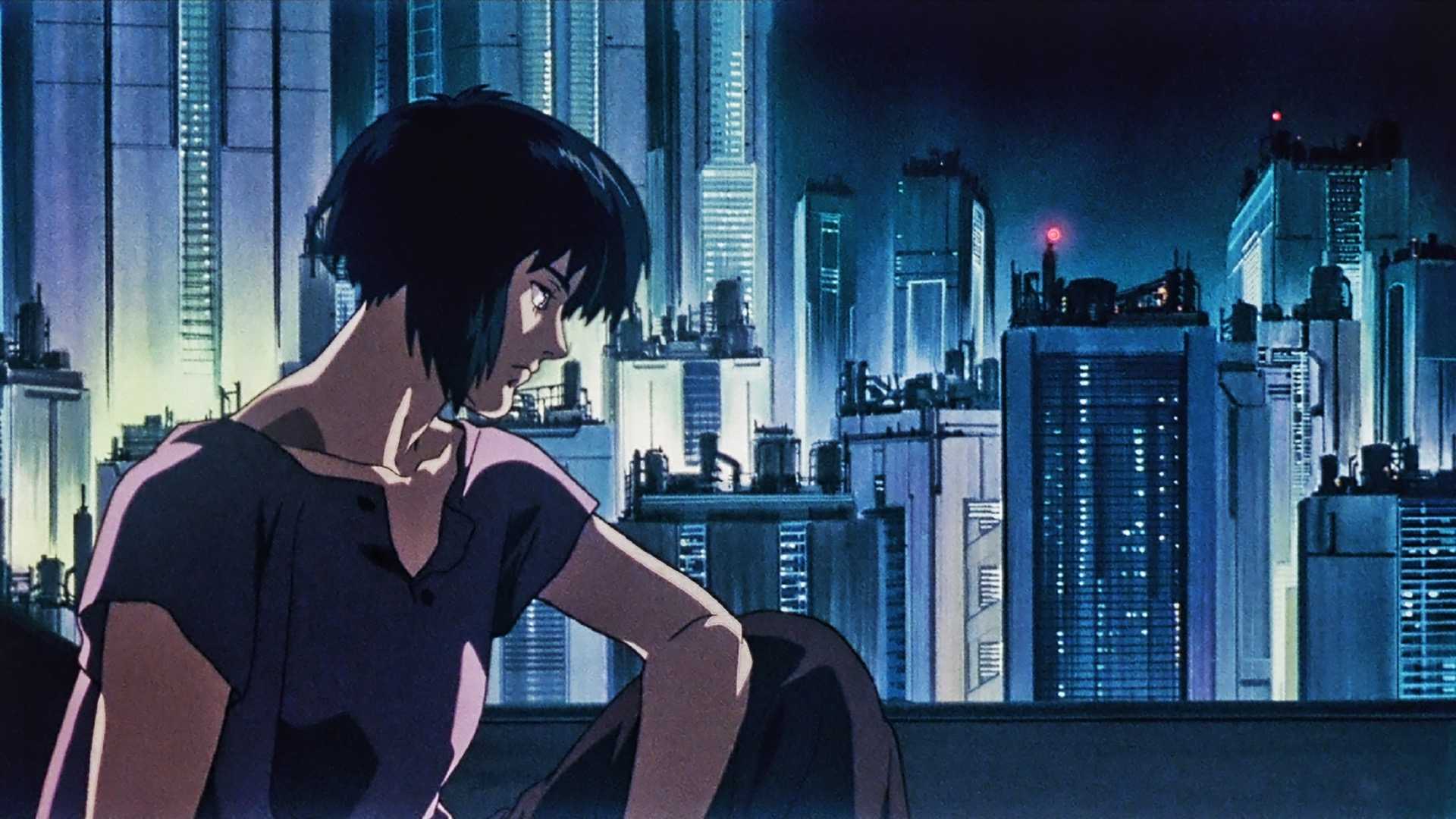 Image via Production I.G
 -
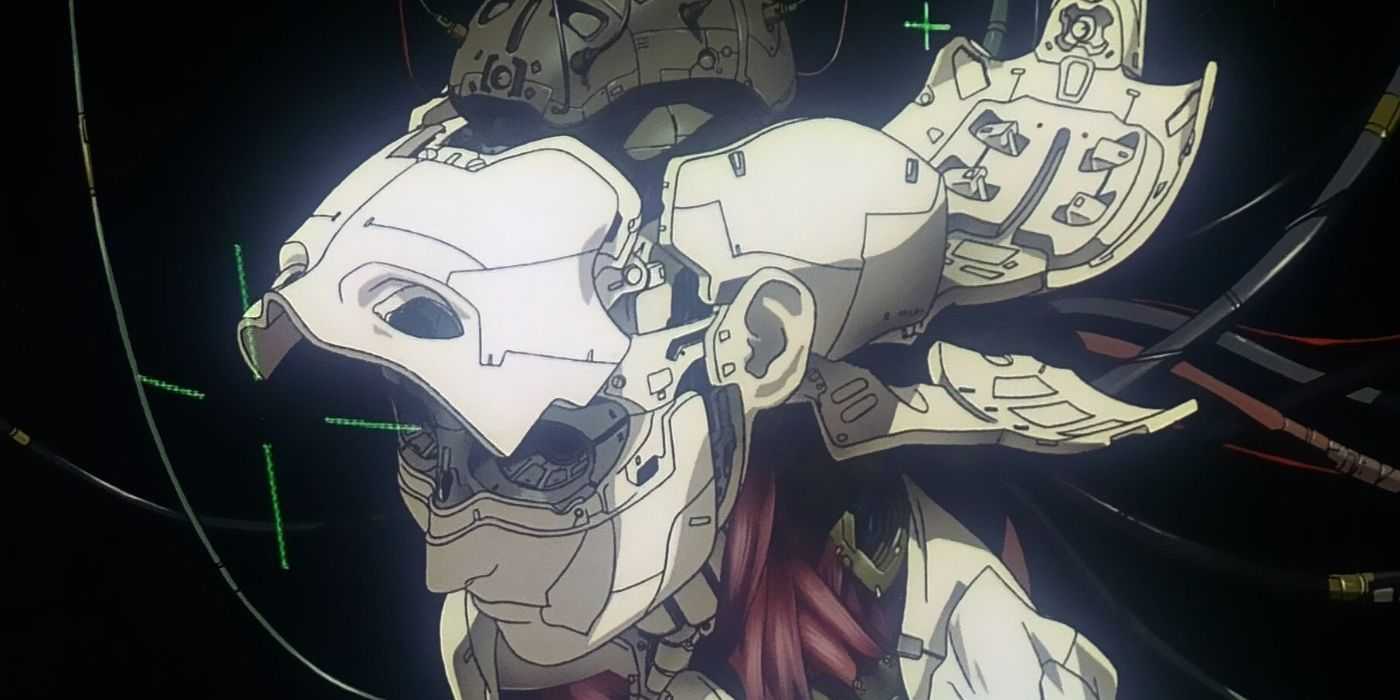 Image via Production I.G
 -
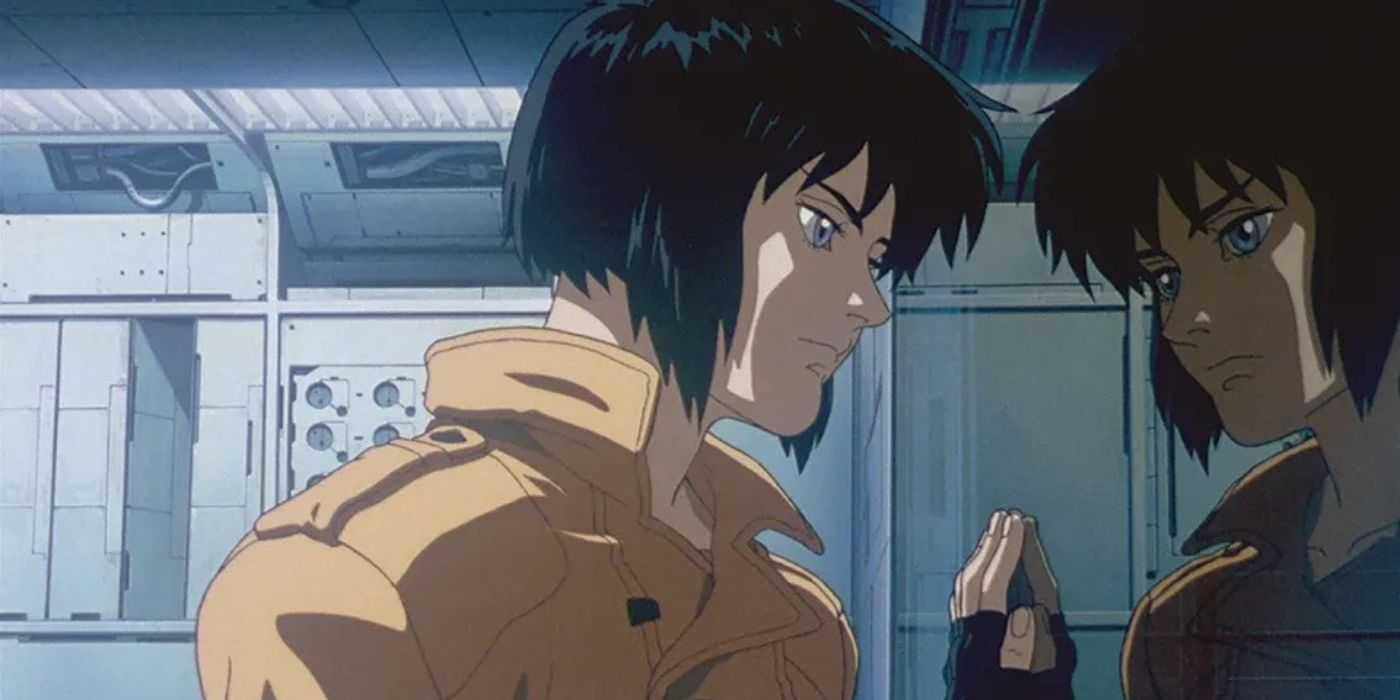 Image via Production I.G
 -
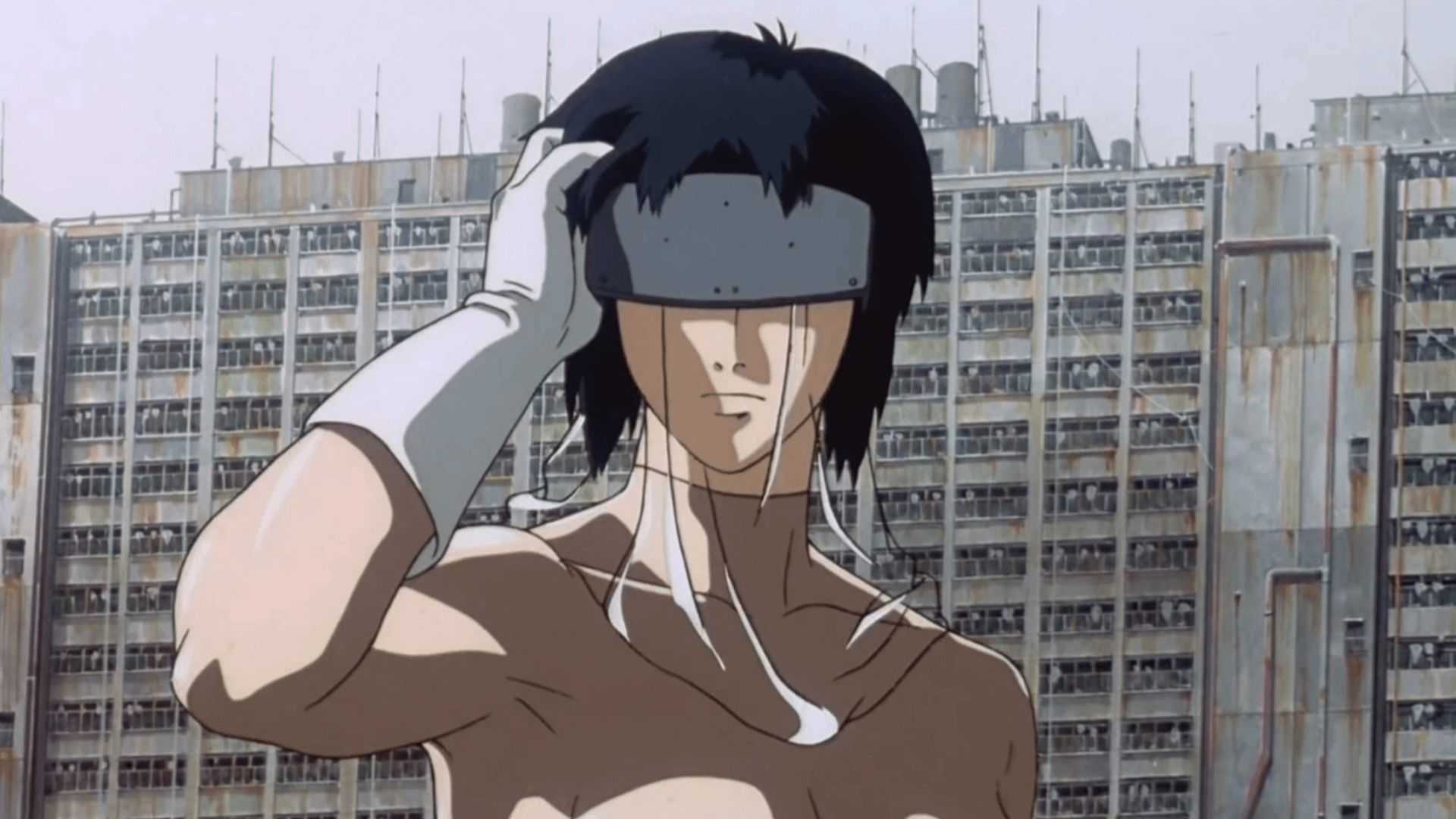 Image via Production I.G.
While Masamune Shirow’s Ghost in the Shell has inspired decades of forward-thinking science fiction, much of its enduring cultural legacy stems from Mamoru Oshii’s visionary 1995 feature film adaptation. Set in a futuristic society where humans and cyborgs coexist, the film explores transhumanism through Major Motoko Kusanagi, a cybernetic operative leading a specialized unit to apprehend a mysterious hacker who hijacks human memories for criminal ends.
This tense investigative framework provides a foundation for deeper inquiries into consciousness, identity, and personhood. Long before such topics were mainstream, the film presented a remarkably prescient vision of artificial intelligence, ubiquitous surveillance, and their societal ramifications.
Celebrated for its striking visual design and sophisticated action choreography, Ghost in the Shell famously influenced works like the Wachowskis’ The Matrix. It also solidified Production I.G’s reputation as a powerhouse in cyberpunk storytelling.
As a breakthrough title demonstrating that animation could tackle dense philosophical and theological themes for adults, the film’s 2004 sequel, Innocence, occasionally slips under the radar. Nevertheless, both stand as premier R-rated works that expand upon themes of autonomy, anchored by Motoko Kusanagi, one of the genre’s most iconic protagonists.
Akira Is A Meticulous Exploration Of Alienation, Oppression & Rebirth

Katsuhiro Otomo’s Akira remains visually competitive with modern animation despite being more than three decades old. A testament to Otomo’s meticulous craftsmanship, the film set a benchmark for sci-fi and action storytelling that has endured for generations. Beyond its aesthetic brilliance, Akira is driven by dark, thematic explorations of a volatile society on the brink of collapse.
Set within the dystopian Neo-Tokyo of 2019, the story follows illicit government experiments that convert psychic children into living weapons. When biker Kaneda attempts to rescue his friend Tetsuo after the latter becomes entangled in these military projects, the narrative unfolds into a high-octane adventure marked by kinetic action and visceral body horror, reflecting anxieties surrounding Japan’s post-war identity.
Themes of generational friction, institutional corruption, and hubris fuel the film’s trajectory, yet the emotional core rests on the fractured bond between Kaneda and Tetsuo amid a landscape of cold technology and supernatural chaos. Decades ahead of its time, Akira redefined the possibilities of animated science fiction and remains profoundly relevant today.
Perfect Blue Presciently Ponders Toxic Fan Culture & Fracturing Identity

-
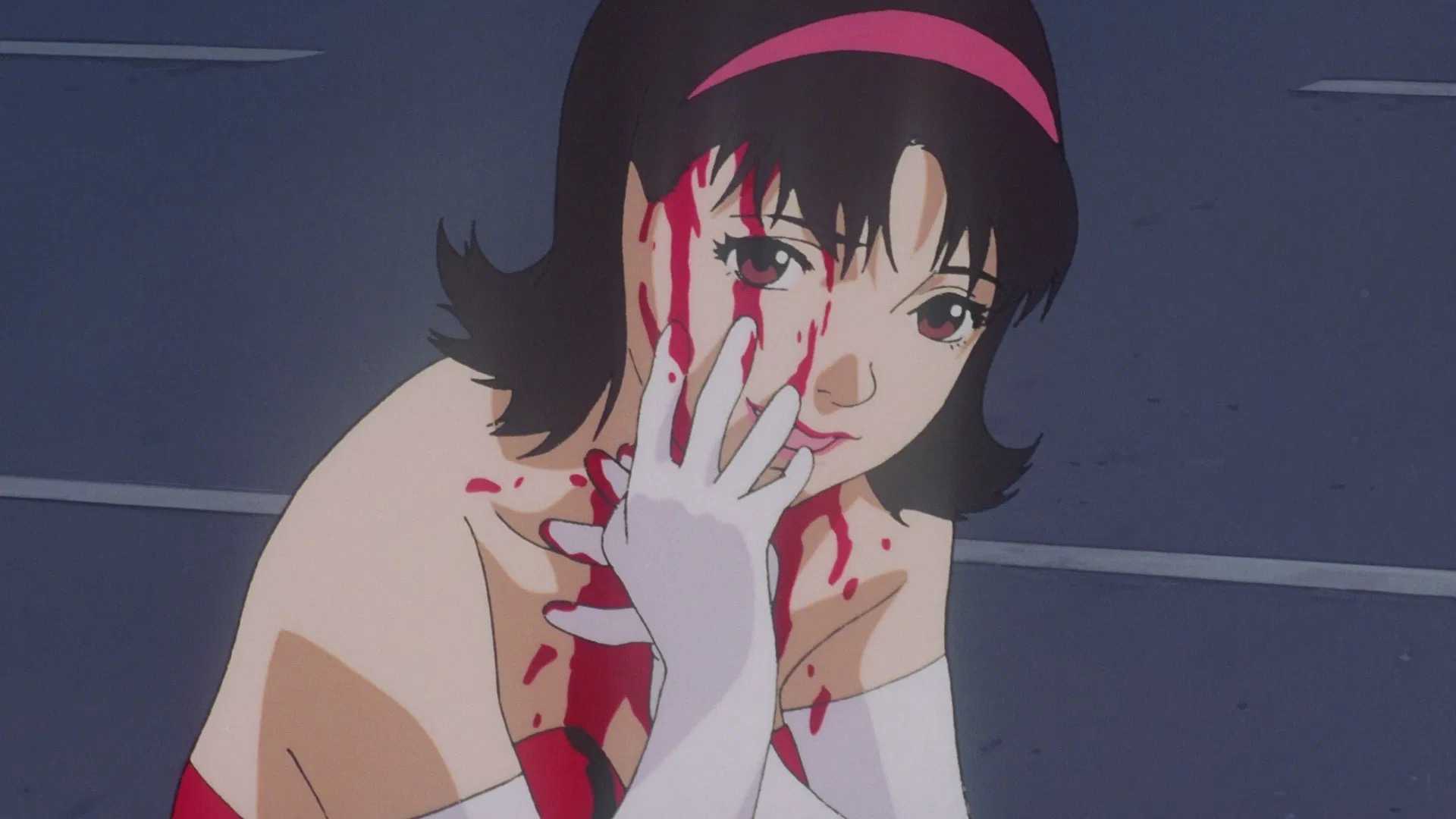 Image via Madhouse
 -
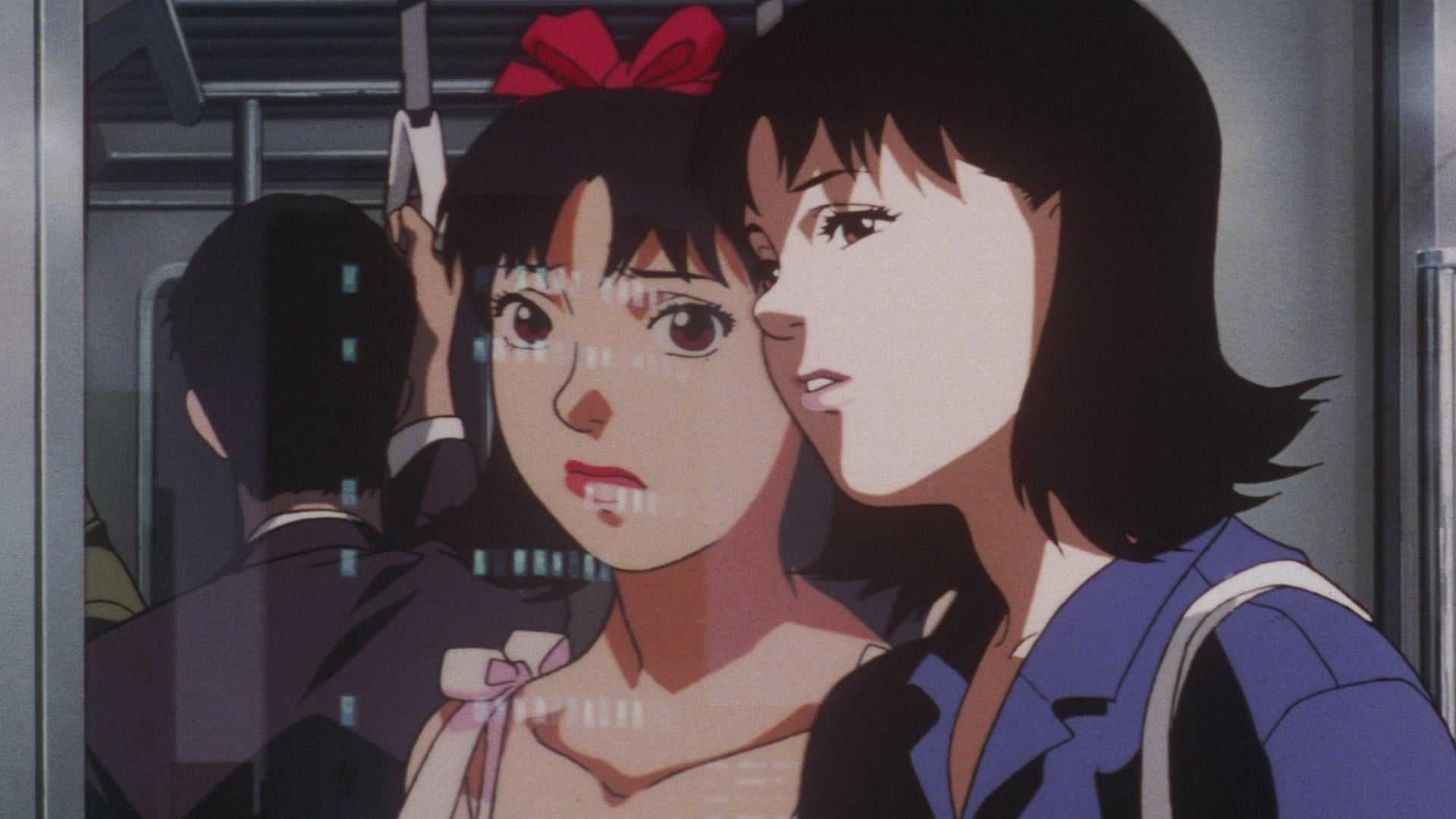 Image via Madhouse
 -
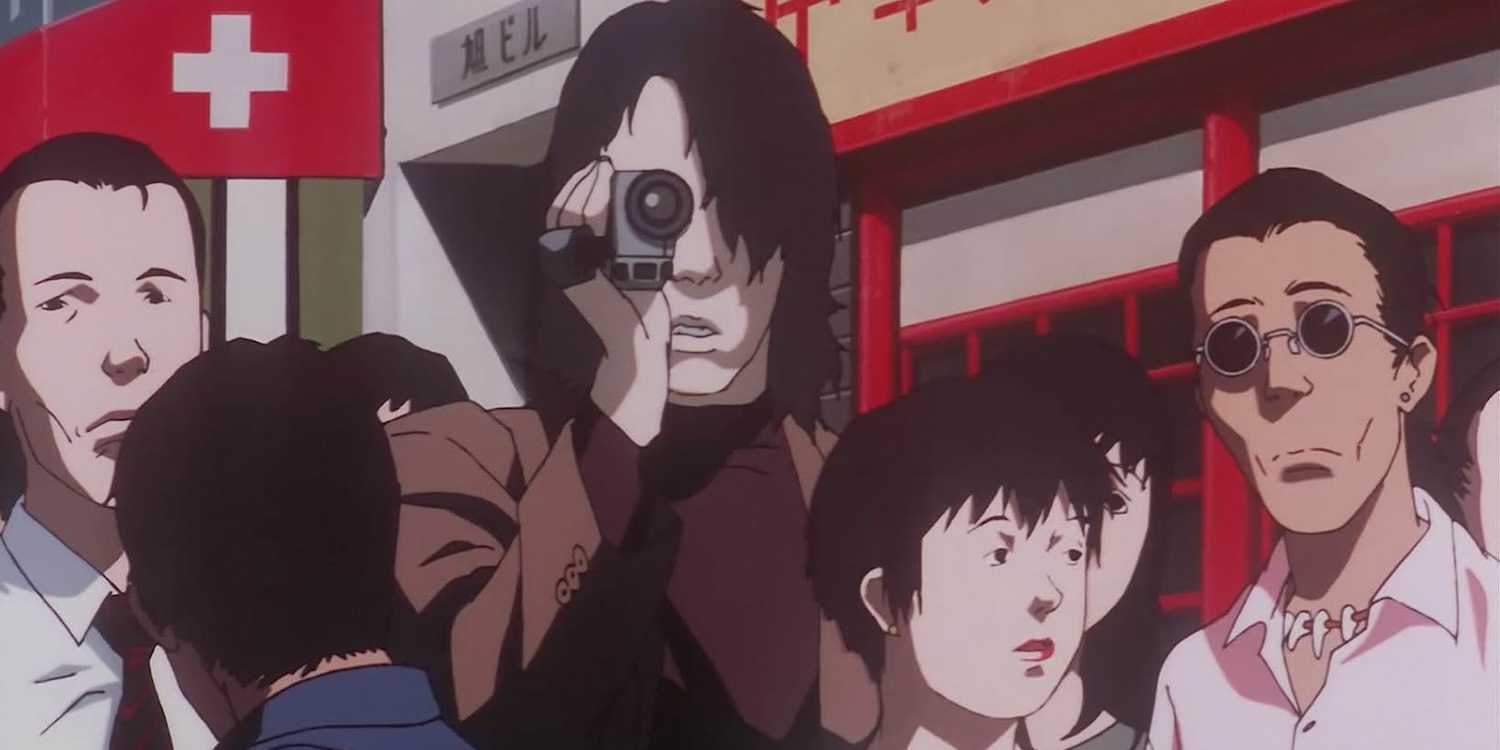 Image via Madhouse
 -
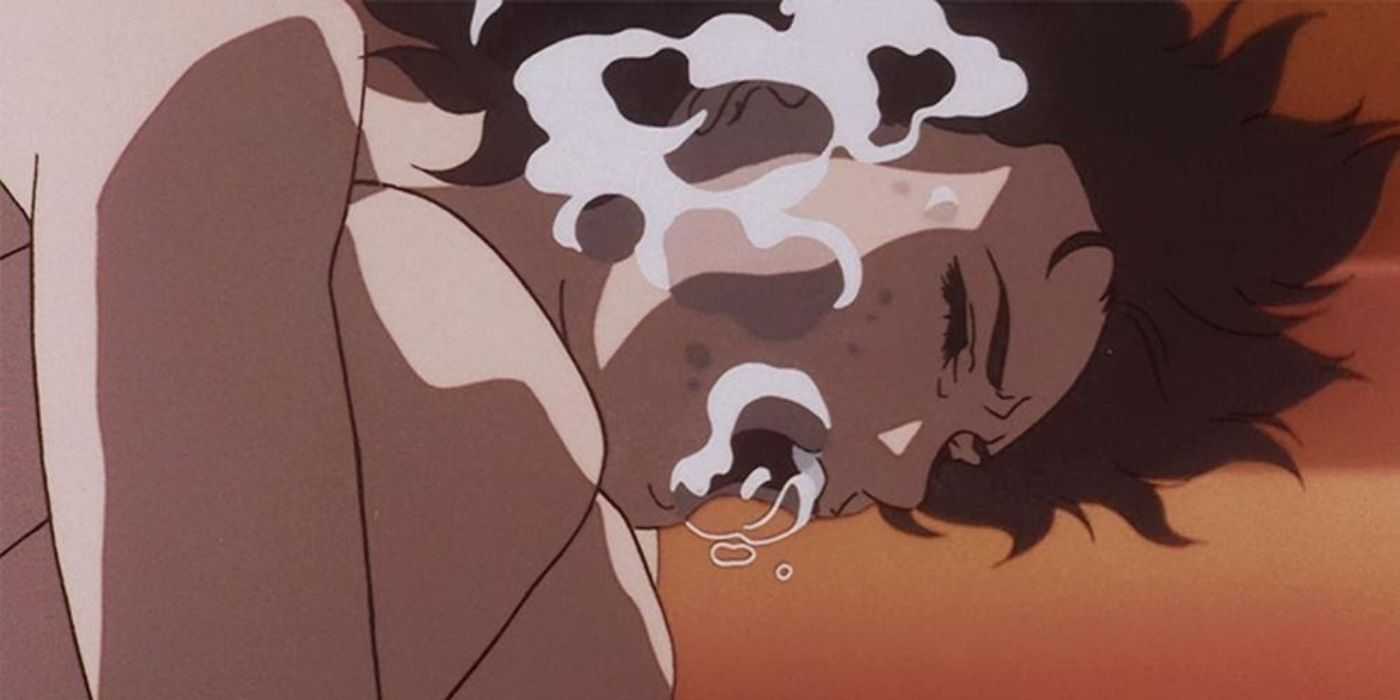 Image via Madhouse
The late Satoshi Kon left behind a pristine filmography as a visionary storyteller. While all of his works are celebrated, his directorial debut, Perfect Blue, remains one of the finest psychological thrillers in animation history. The plot centers on Mima, a pop idol who transitions to acting, only to face a terrifying identity crisis as her past and present begin to blur.
Mima’s distress is amplified by an obsessive stalker resentful of her career change. As pressure mounts, she experiences harrowing hallucinations that erode her grip on reality. Perfect Blue places viewers directly inside Mima’s fractured perspective, utilizing surreal imagery to blur the line between truth and delusion. It functions as a powerful character study that anticipated the modern perils of parasocial relationships and toxic fandom.
These themes have only grown more relevant in the decades since the film’s release. Perfect Blue offers an unflinching look at the exploitation of women within the entertainment industry and the psychological toll of losing autonomy over one’s public image. Claustrophobic and surreal, the film’s influence even extends to Hollywood, inspiring works like Darren Aronofsky’s Academy Award-winning Black Swan.