Certain shonen anime hit their absolute highest point almost right out of the gate. Their introductory chapters pitch a fascinating concept alongside an intricate power system, leaving later plotlines struggling to recapture that initial magic. On the flip side, some series take the exact opposite path, using their earliest chapters as sturdy foundations. Rivalries develop real history, seemingly minor characters blossom into essential players, and abilities introduced dozens of episodes prior wind up deciding the stakes of massive conflicts.
Instead of hitting a reset button after every single win, each new storyline enriches everything that came before. These shows are deeply rewarding because their narrative ambition scales right alongside their characters. Later arcs do much more than just introduce tougher adversaries; they expand the lore, challenge ideas set in stone during the beginning, and deliver emotional payoffs that simply wouldn’t work without the groundwork laid before them.
Black Clover Keeps Rewarding Viewers Who Stick With Asta
-
 Image via Studio Pierrot
 -
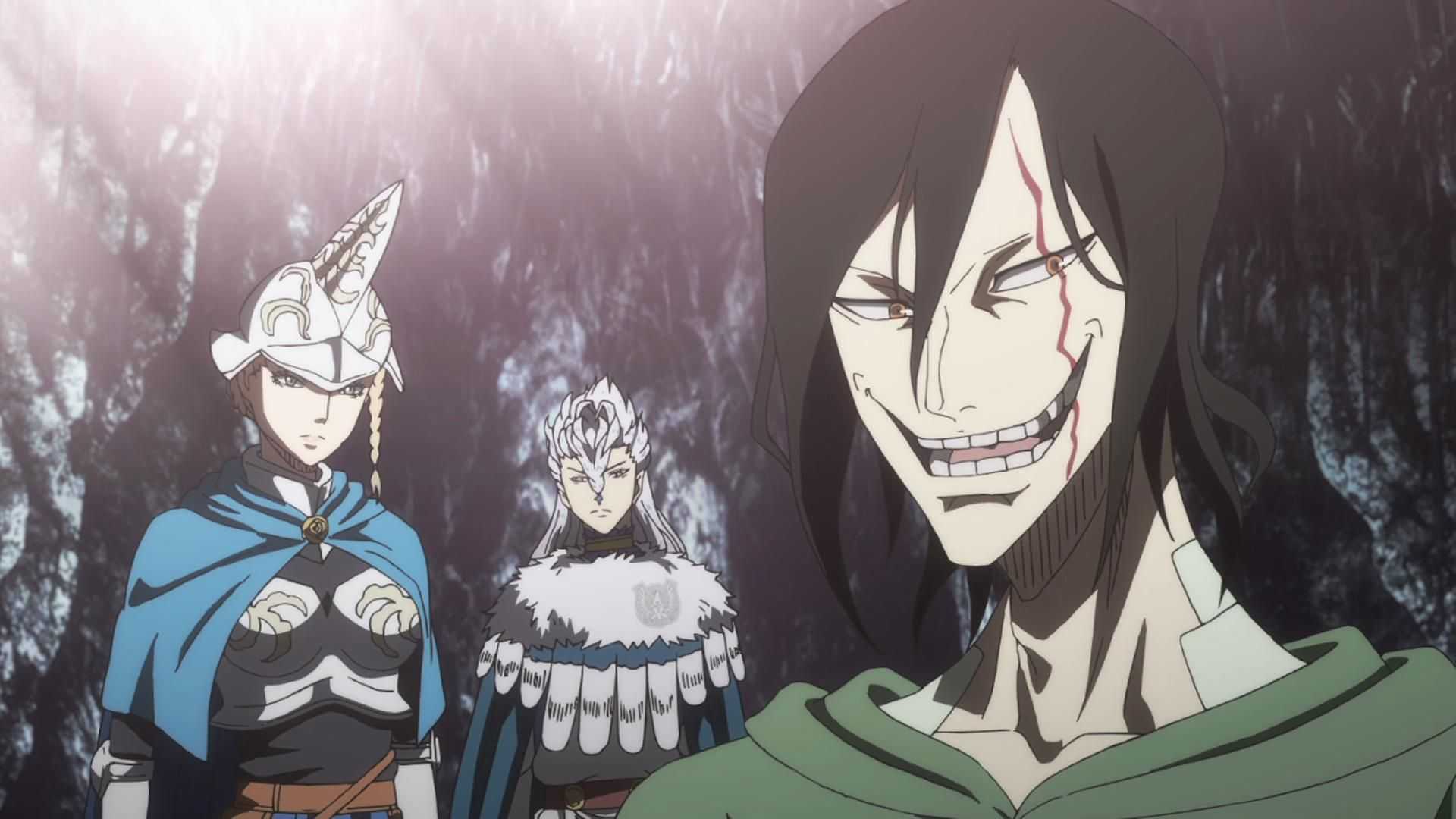 Image via Pierrot
 -
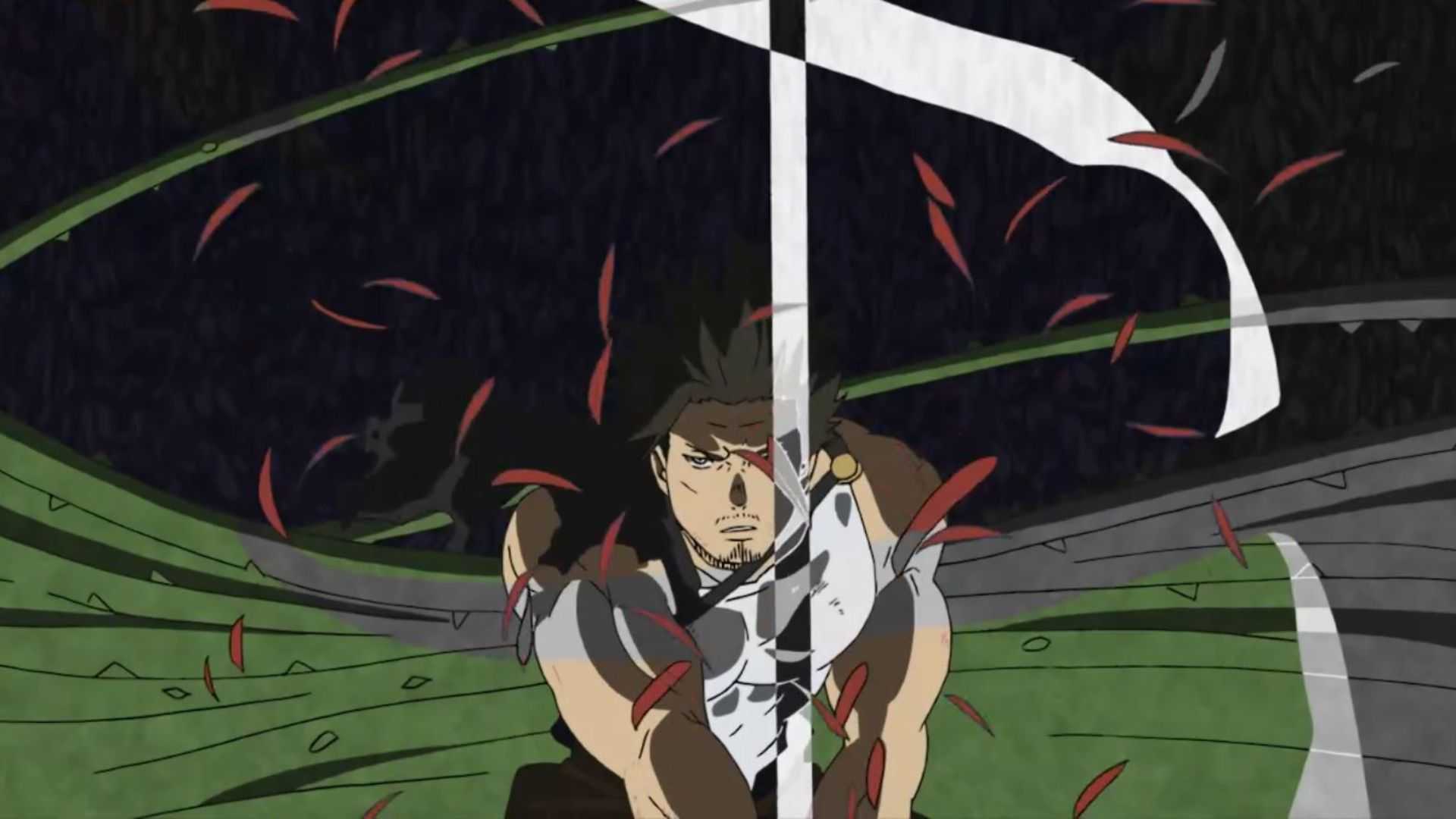 Image via Studio Pierrot
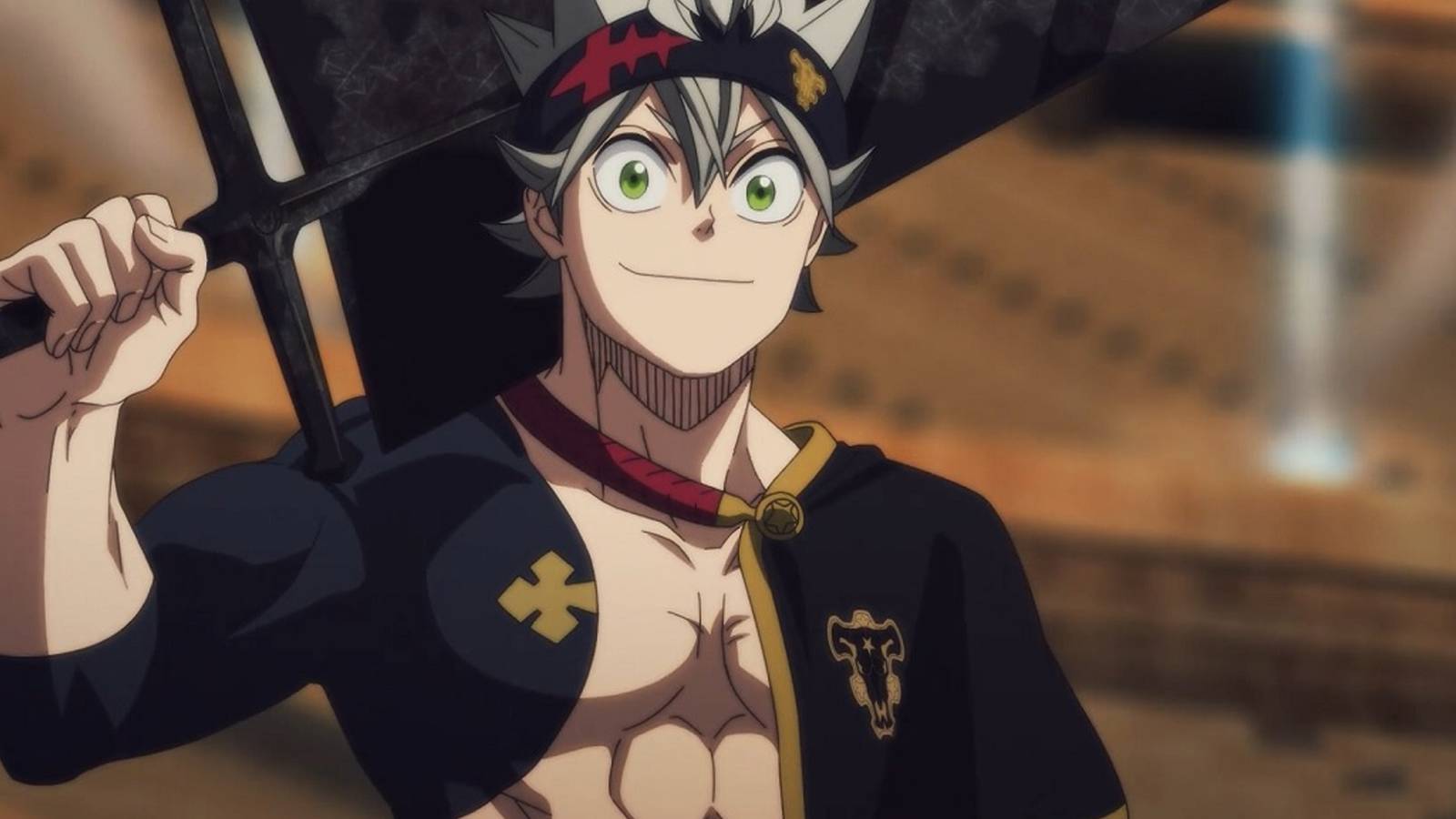
Black Clover had a notoriously rough launch compared to most modern battle anime. Asta’s vocal delivery drew immediate flak, the animation could be uneven, and it initially leaned heavily into well-worn genre tropes. However, as the series pushes forward, its quality spikes dramatically. The early outings mostly focus on introducing the various Magic Knight squads and carving out Asta’s home within the Black Bulls. Later storylines steadily peel back the layers to show that Clover Kingdom’s internal corruption is just a drop in the bucket.
The Royal Knights tournament pushes character dynamics forward before the Elf Reincarnation Arc completely rewrites the kingdom’s history. From there, the Spade Kingdom plot escalates the scale even further. Black Clover routinely brings back seemingly background characters, giving them fresh abilities and deeper emotional relevance, which makes its enormous roster feel genuinely vital. While its pilot episodes might have looked like a standard checklist of shonen tropes, later arcs prove just how skillfully the series weaves them together.
World Trigger Gets Better Once Its Strategy Takes Over

In World Trigger, otherworldly entities known as Neighbors regularly breach Mikado City via dimensional rifts, leaving the defense force Border to hold them back using high-tech Triggers. The plot centers on Osamu Mikumo, who lacks massive Trion reserves and cannot simply overpower opponents through sheer willpower.
This exact limitation pushes him to carve out his utility through tactical planning, clear communication, and a sharp understanding of his squad’s various roles. His alliance with the enigmatic Neighbor Yuma Kuga and Chika Amatori equips the narrative with three leads who possess wildly contrasting strengths and vulnerabilities.
The Rank Wars Arcs are where World Trigger truly shines. Teams face off in simulated matches to climb the Border ladder. Subsequent clashes grow increasingly intricate as Osamu adapts based on past failures. Furthermore, the show’s visual quality stepped up notably upon its return from a prolonged hiatus, lending the later tactical showdowns a much smoother look than the initial run. World Trigger becomes increasingly gripping with every major conflict because the audience has a firm grasp of the underlying rules.
Gintama’s Serious Arcs Become More Powerful Because of All the Comedy

At first glance, Gintama presents itself as a gag series centered on Gintoki Sakata, an ex-samurai running a odd-jobs business. For a lengthy stretch, the anime is completely content cracking jokes about pop culture, crude humor, anime tropes, and the protagonists’ constant struggle to make rent. Then, without warning, Gintama pivots to deadly serious territory. The initial major story arcs reveal that Gintoki’s care-free facade masks a bloody past tied to the failed Joi rebellion. Figures introduced as comedic relief slowly evolve into genuine revolutionaries and political players.
This sharp contrast infuses the later arcs with immense emotional weight. The Benizakura storyline proves that Gintama can execute top-tier sword fights without sacrificing its signature humor. Subsequent conflicts continually ramp up the political tension hovering over Edo, the Shogunate, and Gintoki’s old comrades.
Eventually, the comedy and the drama blur together until they feel like two sides of the same coin. Everything viewers once laughed at becomes part of the deep attachment that makes the later tragedies sting so badly. Gintama thrives because every fresh revelation retroactively grants hundreds of past episodes deeper meaning.
Emotional Growth Is More Important Than Power in Mob Psycho 100

Shigeo “Mob” Kageyama kicks off Mob Psycho 100 as one of the most formidable espers alive. The opening episodes showcase Mob’s deep discomfort regarding his emotions and supernatural gifts. He bottles up his frustration until his inner meter hits 100%, sparking massive psychic outbursts that externalize everything he tried to bury. Subsequent conflicts continuously test different facets of that emotional suppression, steering Mob toward a more nuanced view of his own identity.
Season 2 builds upon nearly everything established in the first, highlighting Mob’s growing readiness to forge bonds and voice his feelings. The final season then reframes years of emotional suppression into the core conflict of the series. This resolution works because the show was never truly a contest of whether Mob could overpower a rival psychic. His ultimate hurdle is coming to terms with every facet of himself, even the emotions he finds embarrassing, selfish, or scary.
Attack on Titan Never Stops Expanding What Its Story Is Really About
-
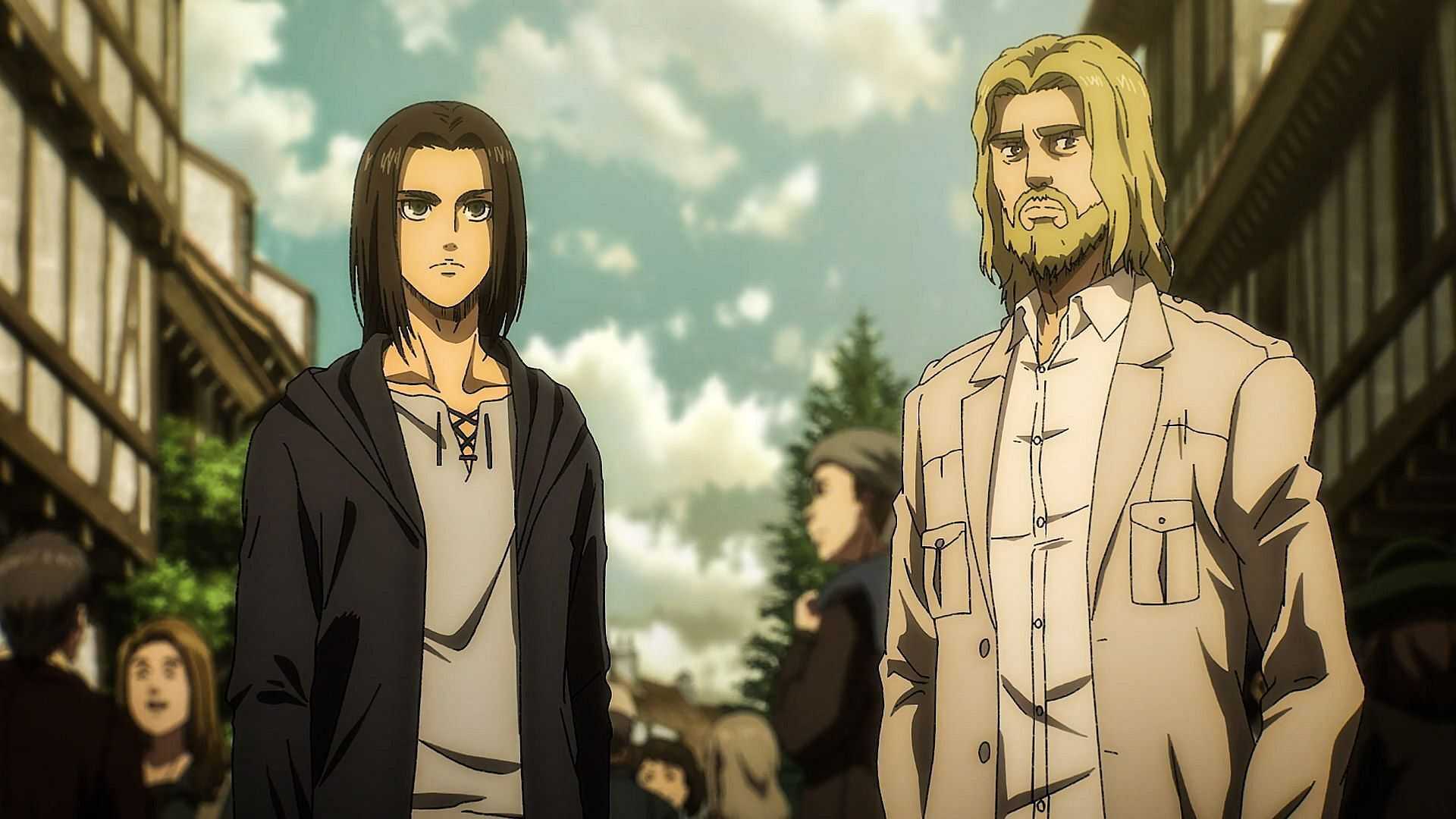 Image via MAPPA
 -
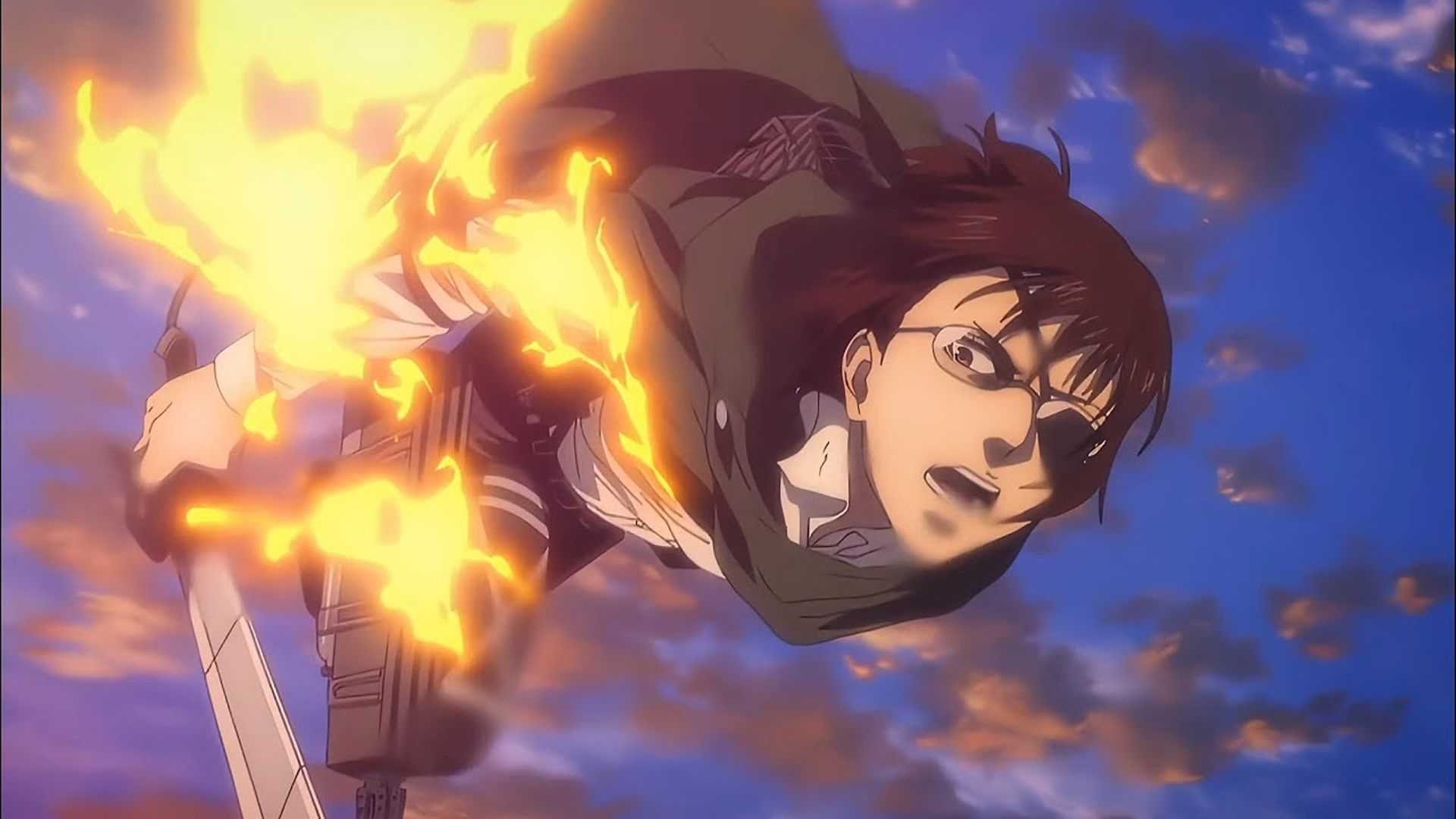 Image via MAPPA
 -
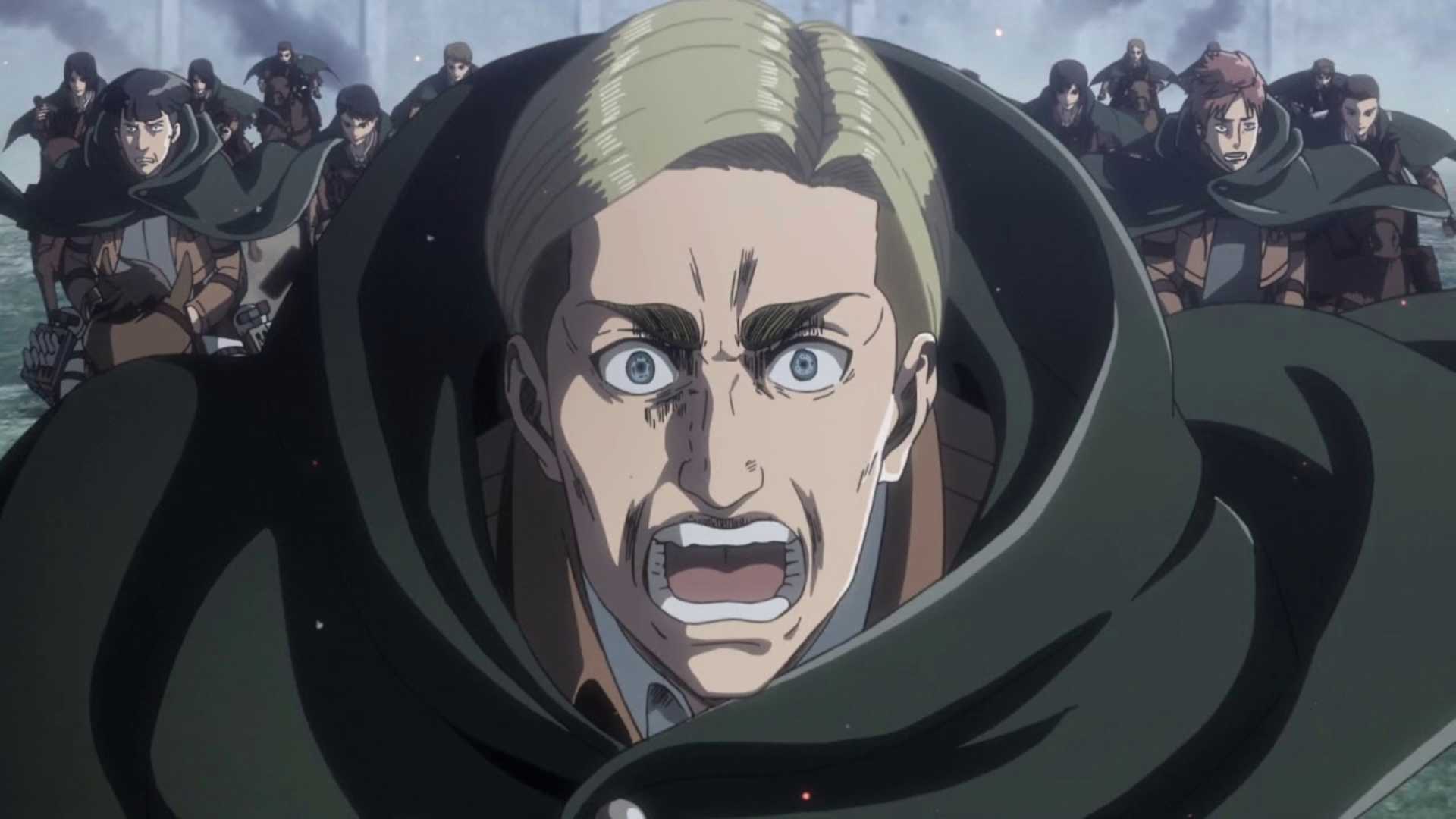 Image via Wit Studio
Attack on Titan starts off with a deceptively straightforward premise. Humanity exists safely behind massive Walls because colossal humanoid beasts known as Titans supposedly pushed mankind to the brink of extinction. After watching his mother get devoured, Eren Yeager vows to wipe out every last Titan. Slowly but surely, the narrative tears down every core belief held by its cast. The Female Titan Arc exposes the fact that foes can blend right in with humanity. Later, the Uprising arc strips away the focus on Titans entirely, revealing a government inside the Walls built on falsified history.
Then comes the basement reveal. The Return to Shiganshina Arc delivers payoff to mysteries planted all the way back in the pilot episodes, fundamentally upscaling the scope of the entire franchise. Everything that follows forces the audience to rethink past events entirely. Background details and seemingly random plot holes acquire entirely new significance as the timeline unfolds, making each successive arc punch harder than the one before it.