When Attack on Titan shifted production studios ahead of its final season in late 2020, it sent shockwaves through the anime community. After WIT Studio brilliantly handled the first three seasons, MAPPA stepped in to helm the sprawling conclusion. Looking back years later, the transition proved to be a blessing for the legendary franchise. While WIT Studio’s initial run remains beloved, MAPPA ultimately delivered an adaptation that did justice to Hajime Isayama’s award-winning manga, which originally premiered on screen in 2013 and captured global attention.
While the first three seasons enjoyed a phenomenal run, the production landscape shifted dramatically as the story approached its massive narrative turning point. WIT Studio concluded the second half of Season 3 in 2019, just a couple of years before the manga’s print run wrapped up. Because the post-time-skip era radically altered the plot—sparking massive fandom debates that persisted even after the 2021 manga finale—the unexpected studio swap raised plenty of questions. Now, years after MAPPA took over the final stretch, WIT Studio CEO George Wada has finally pulled back the curtain on why the studio walked away.
WIT Studio CEO Reveals Why MAPPA Took Over Attack on Titan in Final Season
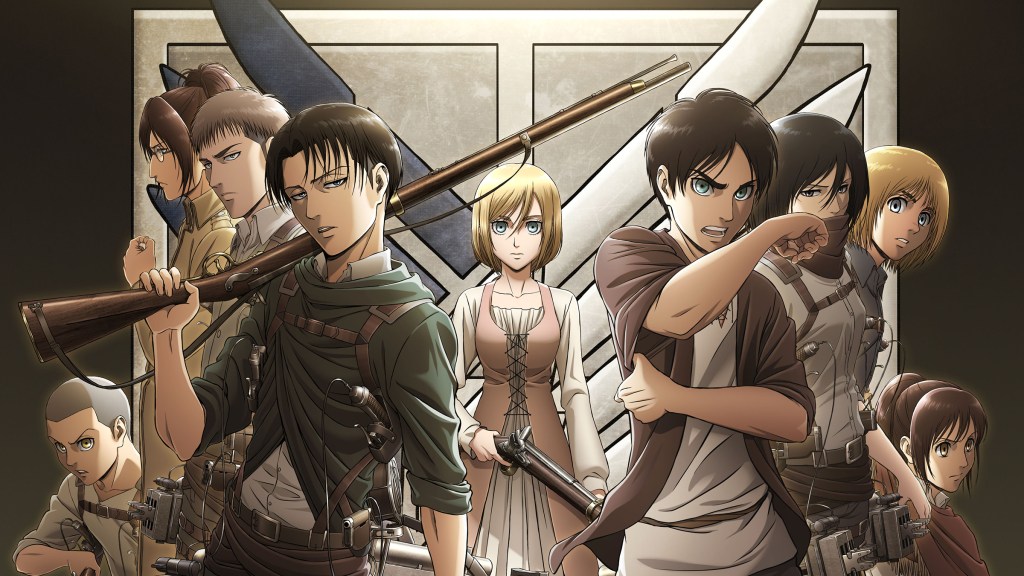
In a candid interview with Mantan Web, George Wada explained, “At the time, the burden of creating ‘Attack on Titan‘ was immense. When we considered the careers of the creators, including director Tetsuro Araki, there was also a desire to ‘create an original work.’ An animation studio is not simply a group that produces works; it is closely intertwined with the lives of the staff.”
He further elaborated, “WIT STUDIO produced up to season 3, and MAPPA took over from there. I believe that it was because of this combination that the TV anime ‘Attack on Titan‘ was able to be completed. I think this was the only way the work could have ended.”
Aside from heavy workloads and punishing production schedules, WIT Studio wanted to redirect its creative energy toward original IPs. Known for crafting acclaimed original projects like Great Pretender, Vivy: Fluorite Eye’s Song, Moonrise, and their newly announced original anime LONA, the studio was pouring massive time and financial resources into a single flagship title.
Relinquishing the series ultimately allowed WIT Studio to pivot toward fresh horizons—such as co-producing the massive hit Spy x Family alongside CloverWorks. Wada acknowledges that this handoff was the ultimate recipe for ensuring the dark fantasy epic reached a proper conclusion.
Attack on Titan’s Finale Is More Widely Accepted Now

Despite the change behind the scenes, viewer enjoyment remained largely unaffected. WIT Studio laid a breathtaking foundation with stylized, fluid ODM gear maneuvers and cinematic color palettes that brilliantly mirrored Eren’s early development.
Conversely, MAPPA’s approach leaned heavily into grittier, darker shading that matched the bleak realities of the manga’s post-time-skip revelations as Eren uncovered the harsh truths of the world.
While the original manga print run entered history as having one of the most contentious endings ever—with many fans dissatisfied with Eren’s fate and final plot beats—the animated adaptation managed to turn public opinion around. Thanks to Isayama’s active collaboration and impactful anime-original scenes, the television series successfully smoothed over the rough edges that initially frustrated readers.