Stepping into the theater to watch a live-action adaptation of a beloved movie, video game, or book always feels like a high-stakes gamble. More often than not, you end up trapped in one of two extremes: a project that is entirely too rigid—colorlessly tracing over the original work beat-by-beat until it becomes a lifeless photocopy—or one that drifts so far off course it bears no resemblance to the story you fell in love with in the first place. Finding that rare, mythical sweet spot where an adaptation hits every right note feels nearly impossible.
Given the endless wave of new live-action adaptations currently in development, cynicism is practically second nature. Most of them seem destined to become little more than morbidly curious hate-watches. Yet, whenever director Takashi Miike tackles an adaptation, I am always first in line to see what he has cooked up.
Takashi Miike is renowned for his prolific, gritty, and fiercely imaginative filmmaking. He is perhaps best known for his unhinged 1999 revenge thriller Audition and his ultraviolent 2001 mobster epic Ichi the Killer. These films stand as towering masterpieces of pure auteur theory, crafted by a filmmaker who knows his distinct voice and wields it without apology. What often surprises people, however, is that these legendary movies weren’t purely original concepts springing forth from his own mind—they, too, are live-action adaptations.
Specifically, they brought Ryu Murakami’s 1997 novel and Hideo Yamamoto’s 1993 manga to cinematic life. That rare talent is precisely what makes Miike an adaptation god tier. Aside from Evangelion creator Hideaki Anno’s brilliant live-action excursions, few directors handle source material with such effortless sleight of hand that viewers sometimes forget they are watching an adaptation at all.
That success comes down to the fact that Miike’s projects avoid the self-conscious embarrassment that plagues so many modern adaptations. Today’s studios often deliver overly stern, self-serious reimaginings or watered-down versions too afraid to bite. You might expect this essay to turn into a victory lap praising how Miike’s work puts modern streaming flops to shame.
Nope!
If you thought that, let’s be honest: you’ve been thoroughly clickbaited. I’m not here to pit those masterpieces against today’s cinematic disappointments in an unfair comparison. Instead, I want to talk about Miike’s utterly fearless, utterly transparent adaptations of video games, anime, and manga—the kind of wild material that seasoned and rookie directors alike usually avoid like the plague.
Yet, while his results as “faithful adaptations” can be a mixed bag, his films consistently rule because they reject the stifling reverence demanded by today’s Hollywood franchises. Miike doesn’t obsess over appeasing intense fan expectations; he simply doesn’t care about playing by those rules. His adaptations succeed because it is abundantly clear that he is having a blast making them.
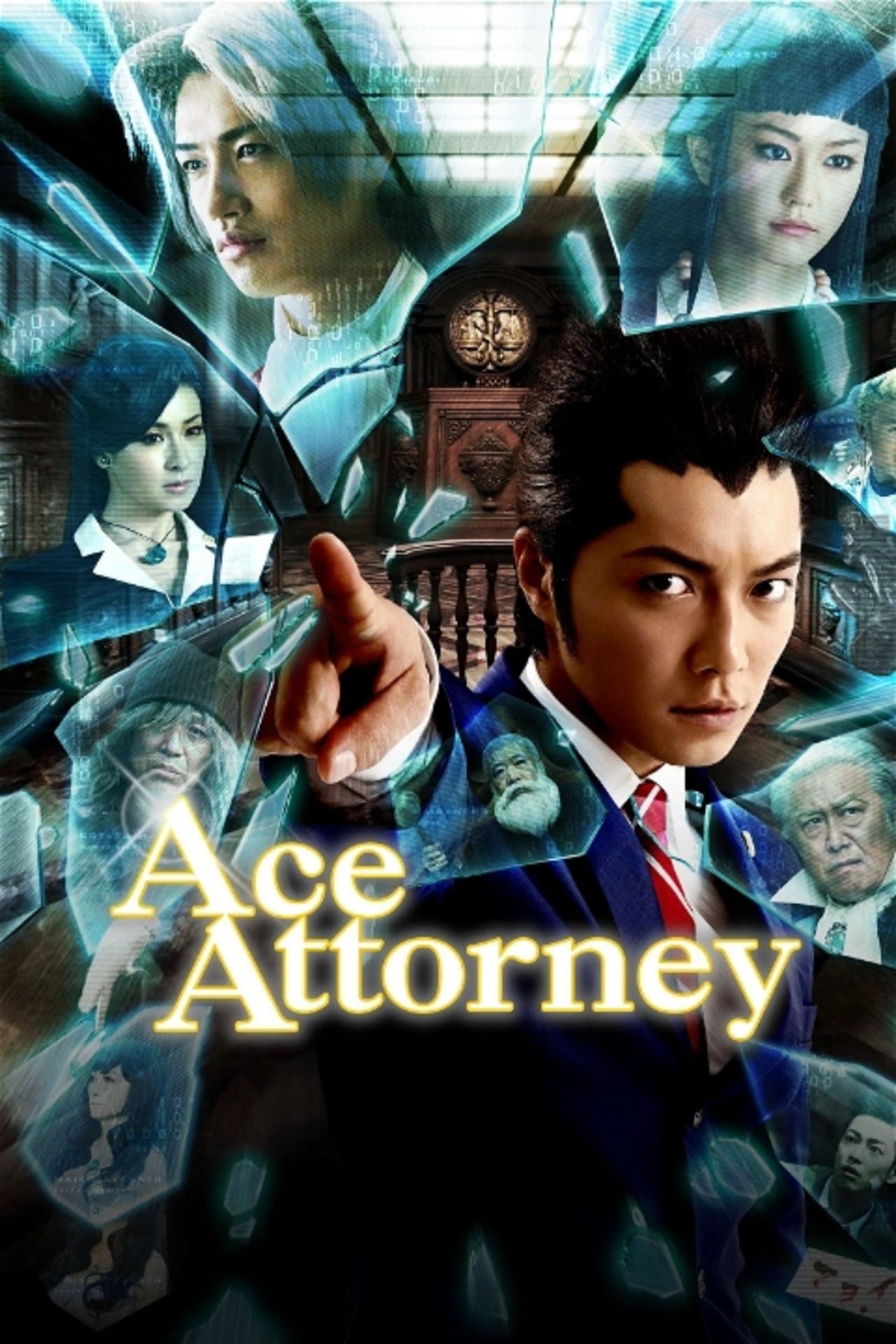
Unlike auteurs like Stanley Kubrick, whose every project was treated as a meticulously calculated event chronicling his artistic evolution, Miike simply approaches moviemaking like an honest day’s labor. The man boasts a staggering 128 directorial credits—including seven released right between Audition and Ichi the Killer. Picture Miike clocking in, rolling up his sleeves, and diving straight into whatever project catches his eye next. Sometimes that means deciding, “Screw it, we’re adapting Ace Attorney, and yes, the characters are keeping their ridiculous porcupine hairstyles.”
To be fair, not every single one of Miike’s live-action adaptations is a home run. When you maintain a blistering creative output like his, misses are bound to happen. His 2009 adaptation of Yatterman is widely remembered as a stumble in what has otherwise been a lifelong parallel track of crafting original works and risky adaptations in equal measure.
History has shown repeatedly that cinematic disasters like Dragon Ball: Evolution and The Last Airbender didn’t just tarnish the reputation of live-action adaptations—they traumatized writers and actors into issuing public apologies and swearing off the genre entirely. Yet, while others would throw in the towel after such stinging defeats, Miike just keeps right on trucking.
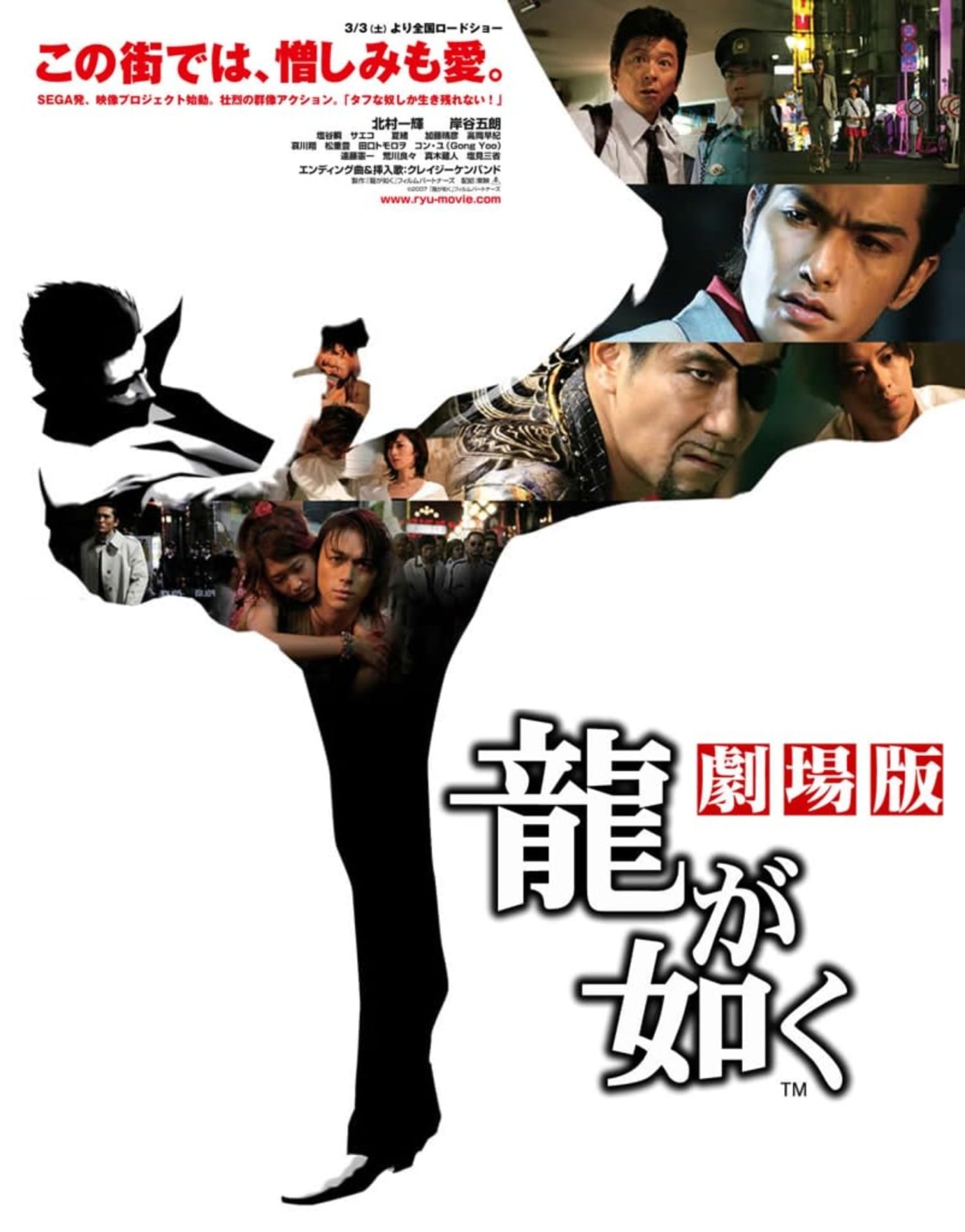
Perhaps no film highlights this fearlessness better than his adaptation of Sega’s gritty crime franchise Yakuza (released as Like a Dragon). In contrast to Prime Video’s recent, overly solemn television series that strips away much of the source material’s quirky charm, Miike’s film proudly embraces the wonderfully absurd tone of the long-running games. Sure, he plays fast and loose with the plot of the first installment, but that minor flaw is easily forgiven when weighed against the chaotic magic Miike and actor Goro Kishitani conjure in bringing fan-favorite maniac Goro Majima to life.
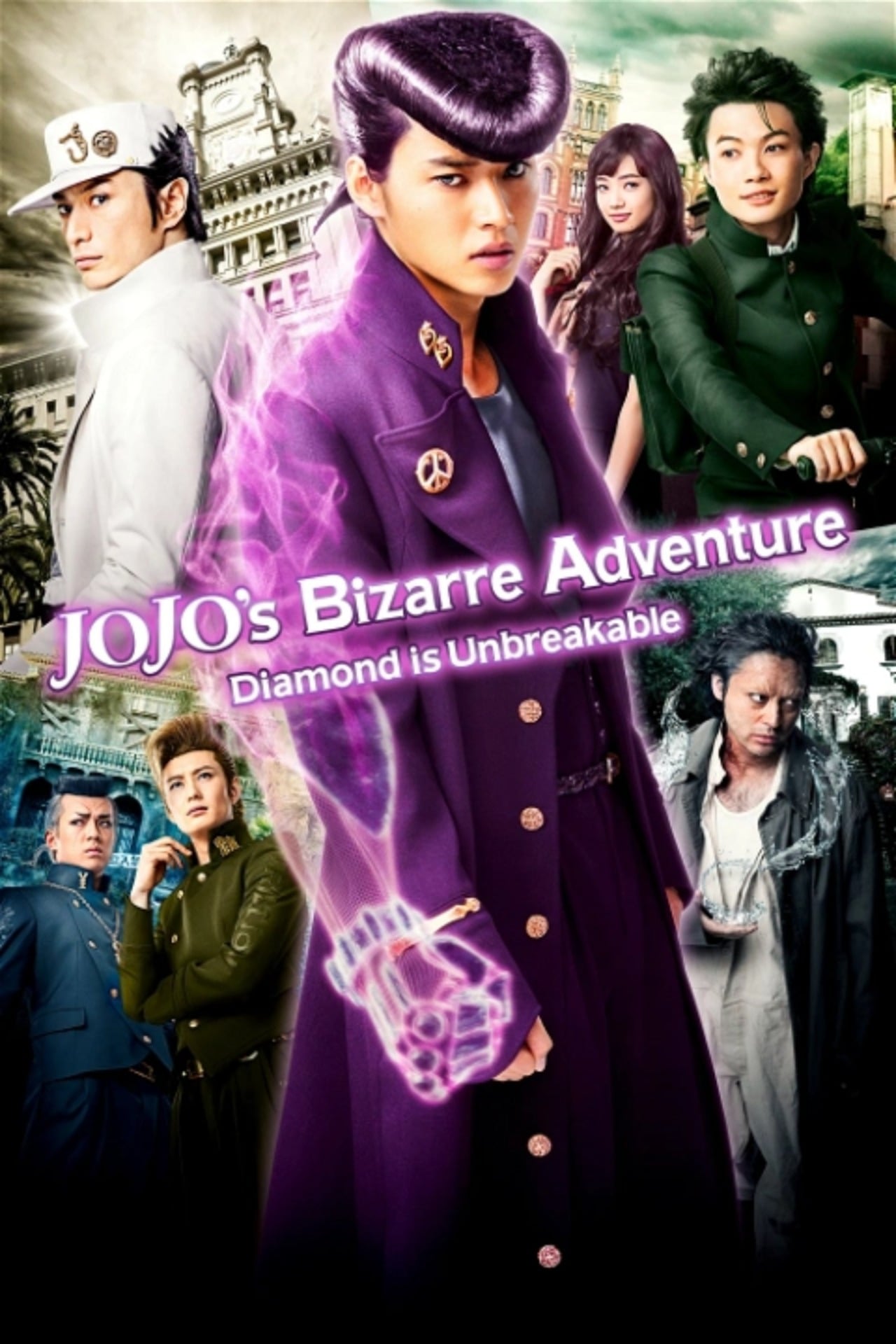
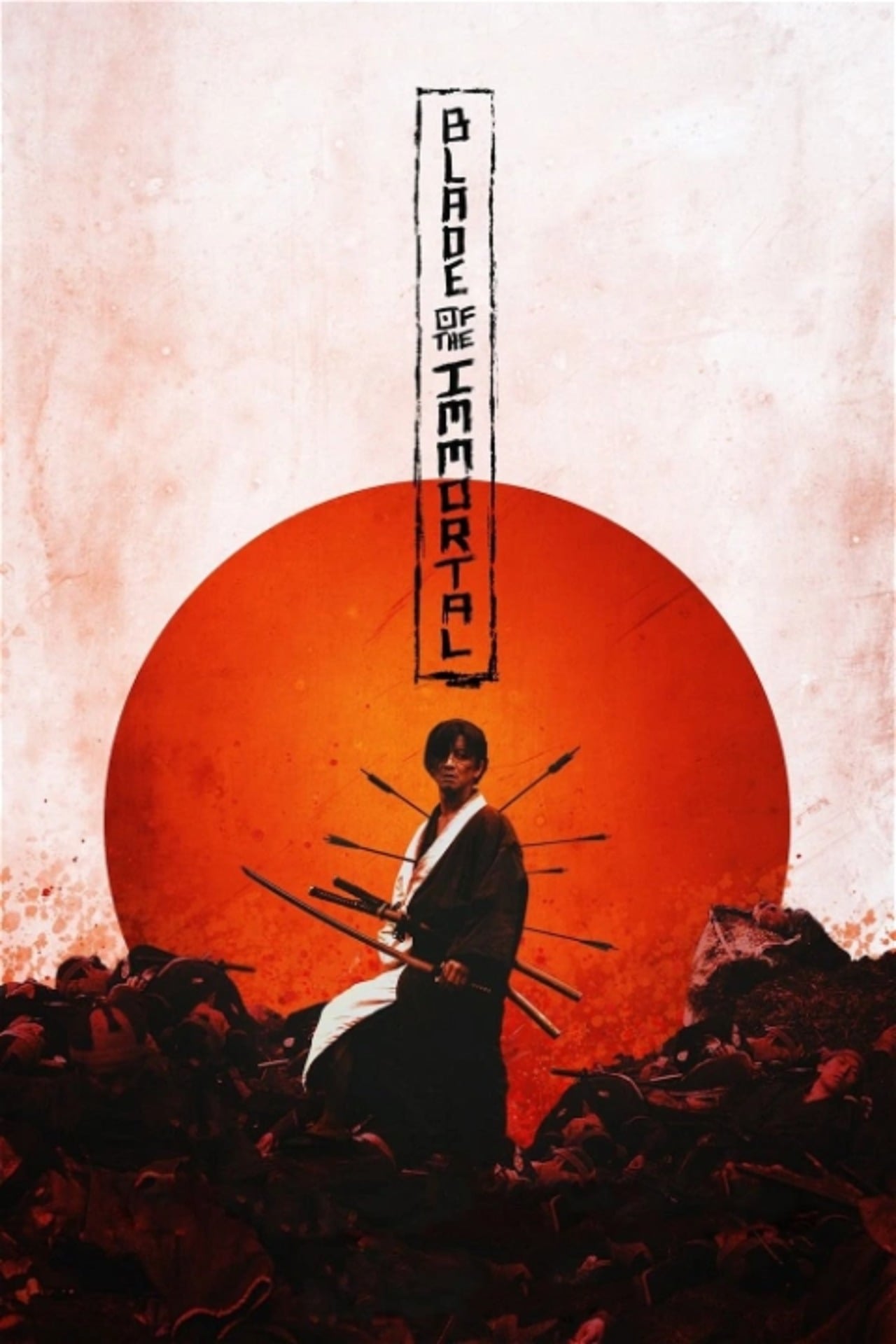
On other occasions, he ventures completely off the beaten path—tackling projects like a Netflix anime tie-in, Capcom’s Onimusha, or Crunchyroll’s delightfully unhinged Nyaight of the Living Cat. His sprawling resume of adaptations also includes the Crows Zero duology, As the Gods Will, Terra Formars, For Love’s Sake, Ninja Kids!!!, the Mole Song duology, Over Your Dead Body, Salaryman Kintaro, JoJo’s Bizarre Adventure: Diamond Is Unbreakable, and Blade of the Immortal.
The sheer audacity of building a career out of adapting manga and anime that would normally spell career death for most filmmakers is staggering—especially when landing a rare unicorn hit like Netflix’s One Piece is the exception rather than the rule. In a 2017 interview with io9, Miike revealed the secret philosophy driving his approach to these adaptations. There’s no corporate formula behind how he resuscitates these classics; he is simply paying forward the sense of joy and wonder the original medium gifted him during his childhood.
“In post-war Japan, it was very, very poor. The very first entertainment we got was kind of black and white TV. So once parents had finally secured enough food for the kids, the next step was ‘let’s give our kids some entertainment, some fun.’ For most kids in that era, the most accessible and cheap and easy to find and easy to use entertainment was really manga. So you had manga, and you would exchange manga with your friends, and it became a communication tool. It became a social element. A social thing. And honestly, that was my salvation,” Miike told io9.
“That was the salvation for many Japanese kids. Because it’s what made life fun again, for the first time in a really long time. And everyone wanted to be a manga writer at that point. Everyone. Every child. ‘I want to be a manga writer’, or, ‘I want to be a manga artist.’ Because we all thought, ‘Wow, I would love to do a job where I was just giving people enjoyment. Where my job is to give people this fun.’ So, in terms of manga, there is no manga that I’m reading right now because there is no manga that can reproduce that feeling of satisfaction and fun I got from reading manga as a child.”
While cinephiles are currently buzzing with anticipation for his upcoming NEON neo-noir thriller Bad Lieutenant: Tokyo—which features a Hollywood cast and high-end cinematography, making it look like the director finally got to play with a massive studio budget—Miike deserves immense credit. He isn’t just churning out ironic “so bad they’re good” trash; he is a dedicated champion of anime, video game, and manga adaptations whose joyous, guilty-pleasure films are genuinely worth celebrating.
Want more io9 news? Check out when to expect the latest Marvel, Star Wars, and Star Trek releases, what’s next for the DC Universe on film and TV, and everything you need to know about the future of Doctor Who.