Anime boasts a rich cinematic legacy that spans far beyond the output of any single animation house. Countless masterpieces have redefined how global audiences view animated storytelling, while pushing genres like science fiction, horror, romance, and drama into realms that live-action cinema simply cannot reach. These timeless features serve as a testament to the immense depth and impact a single film can achieve.
Because feature films operate on a limited runtime, every frame, bit of dialogue, and musical cue must pull its own weight. The greatest anime movies deliver exceptional direction, narrative depth, and visual artistry that resonate with viewers long after the credits roll. From harrowing historical tragedies to visionary sci-fi epics, these works represent the absolute pinnacle of animated storytelling.
Princess Mononoke Gives Both Sides of Its War Something Worth Defending
-
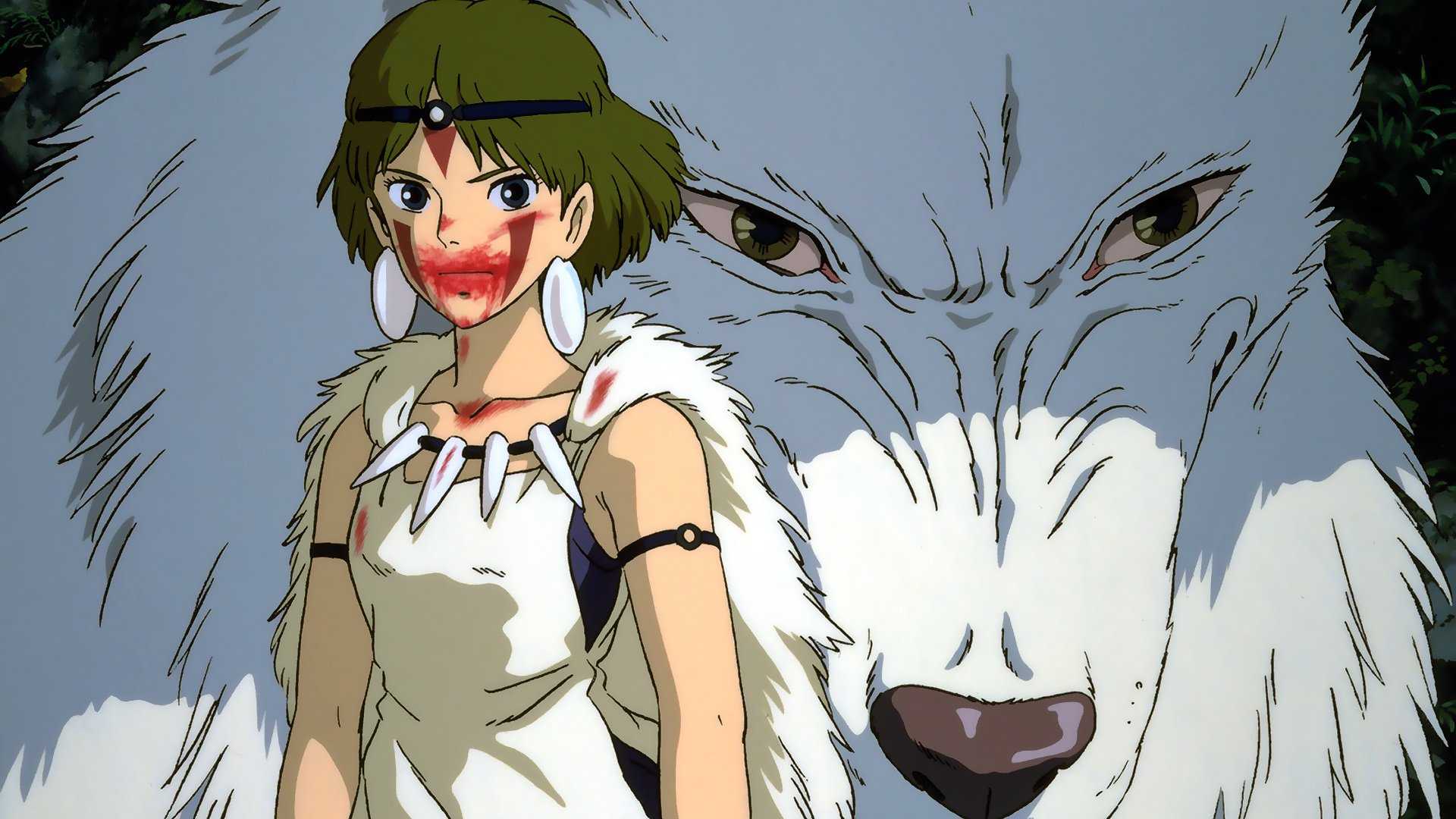
Image via Studio Ghibli
-
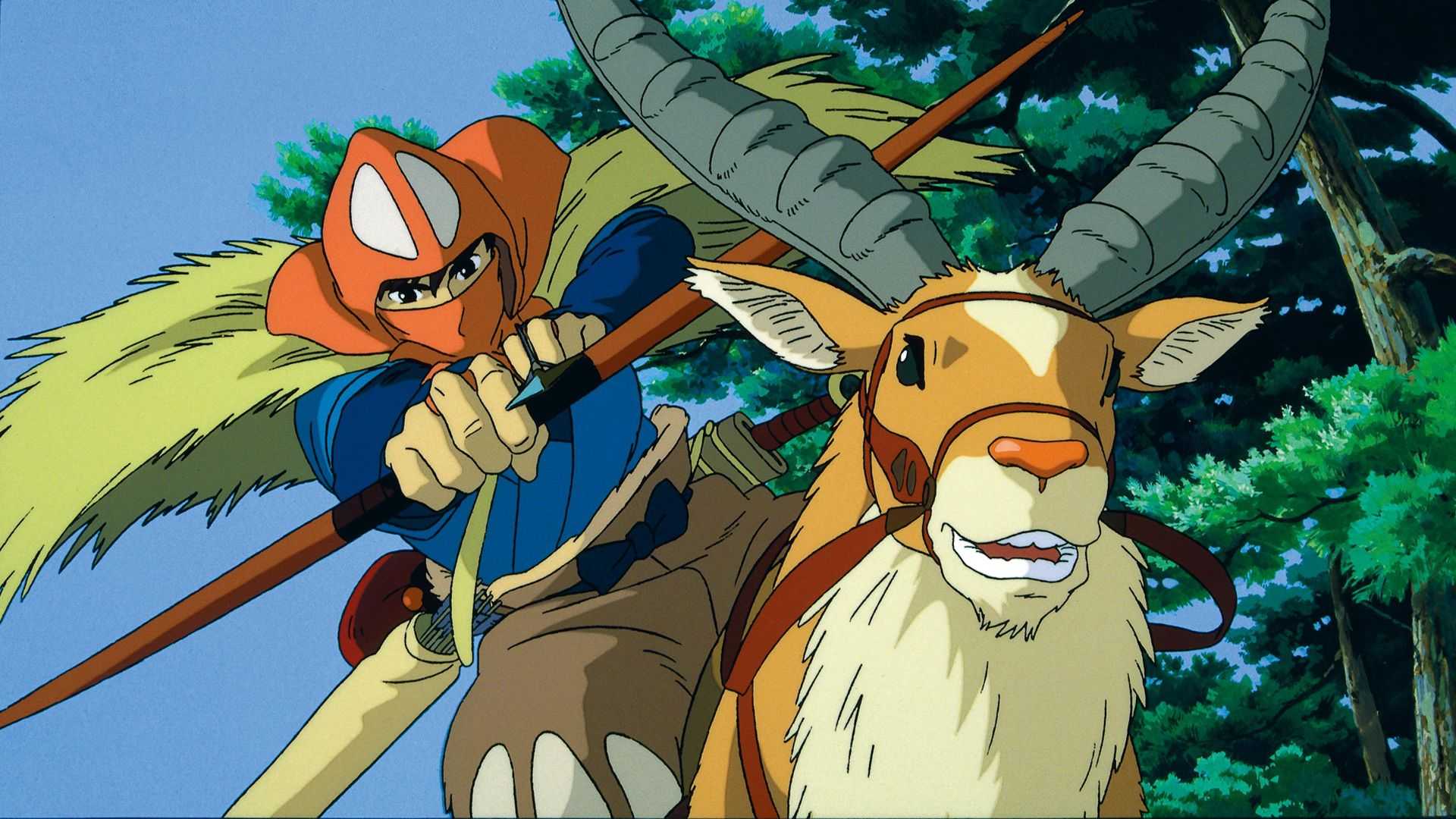
Image via Studio Ghibli
-
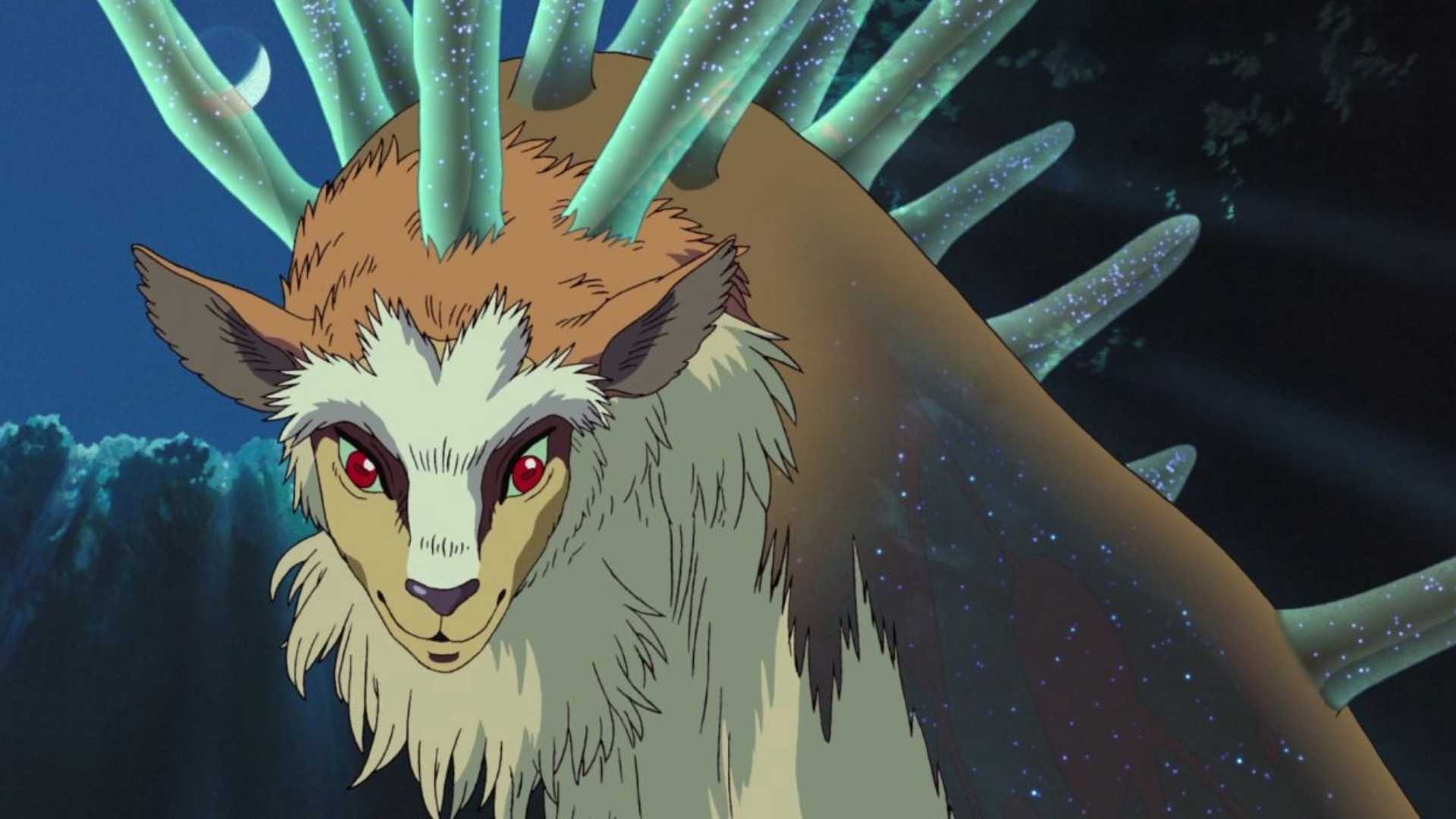
Image via Studio Ghibli
While Princess Mononoke is filled with fantastical deities, terrifying monsters, and massive supernatural clashes, its true triumph lies in its moral ambiguity. After contracting a fatal curse, Ashitaka finds himself caught in the crossfire between the ancient forest gods and the industrial community of Iron Town. What makes the narrative so compelling is that every central figure acts with understandable conviction, leaving viewers genuinely torn on who to root for.
Ashitaka’s tireless efforts to broker peace in a conflict where both sides possess valid motivations give the movie incredible enduring weight. The environmental themes never rely on the naive notion that humanity can simply erase its footprint from the wild. Instead, the tragedy unfolds because both factions view compromise as a sign of weakness until catastrophe becomes unavoidable.
Wolf Children Transforms Parenthood Into a Coming-of-Age Story

Wolf Children begins when Hana falls deeply in love with a man who possesses the ability to take the form of a wolf. Following his sudden and tragic death, Hana is left entirely on her own to raise their two shape-shifting children. Seeking solitude and safety, she relocates to a rural farmhouse, completely reshaping her existence around the unique needs of her offspring.
Though their heritage is extraordinary, the emotional reality of raising them is universally grounded. The narrative deepens profoundly as Yuki and Ame grow older and take vastly different paths regarding their dual identities. Ultimately, Wolf Children recontextualizes motherhood as a heartbreaking yet beautiful journey defined by unconditional love, immense sacrifice, and the courage to let go.
Millennium Actress Makes Memory and Cinema Impossible to Separate

Millennium Actress brilliantly treats human memory as a cinematic canvas. When a documentary crew interviews a retired movie icon about her legendary career, her recollections seamlessly merge with scenes from her past films, blurring the line between physical reality and artistic performance until the distinction vanishes entirely.
Film becomes the very vocabulary through which Chiyoko processes her own existence. While her lifelong chase after an elusive man drives the plot forward, the story subtly reveals that catching him may have never been the true objective. Every cinematic role, personal journey, and heartache fuses into a single, breathtaking portrait of a life spent reaching for something just out of reach.
The Tale of the Princess Kaguya Turns Privilege Into a Beautiful Prison

The Tale of the Princess Kaguya breathes new life into the classic folklore of a miniature girl found inside a bamboo shoot and raised by an elderly peasant couple. Convinced that her divine origin dictates a life among the upper crust, her adoptive father relocates the family to the capital, showering her with everything high society deems valuable.
However, Kaguya experiences this supposed fortune as a gilded cage. Elaborate garments, strict etiquette training, and rigid marital expectations slowly strip away the wild freedom she treasured in her youth. Enhanced by a stunning watercolor art style, the film offers one of Studio Ghibli’s most sophisticated meditations on class, gender roles, societal expectations, and mortality.
Your Name Connects Two People Across Time and Distance
-
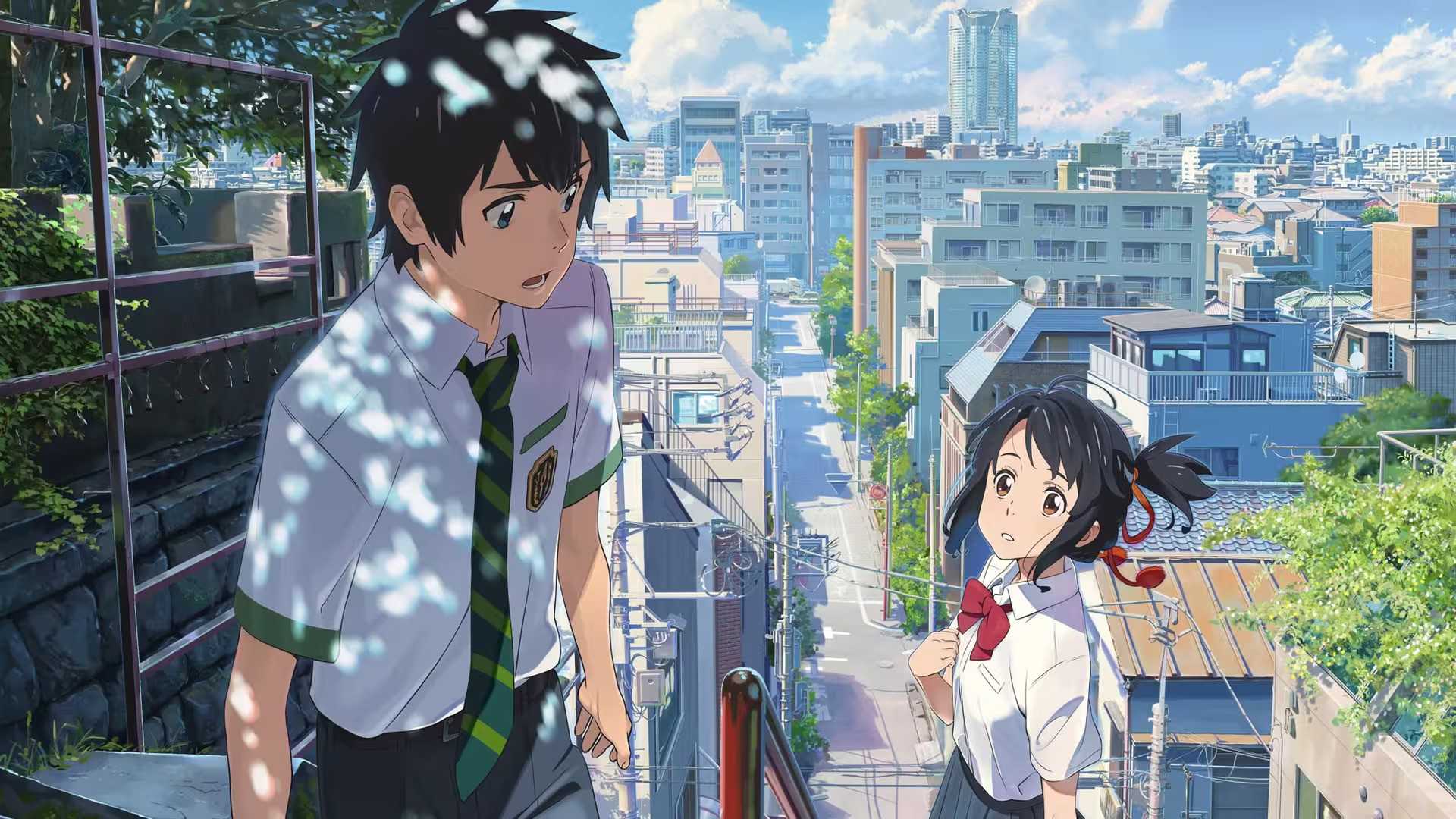
Image via CoMix Wave Films
-
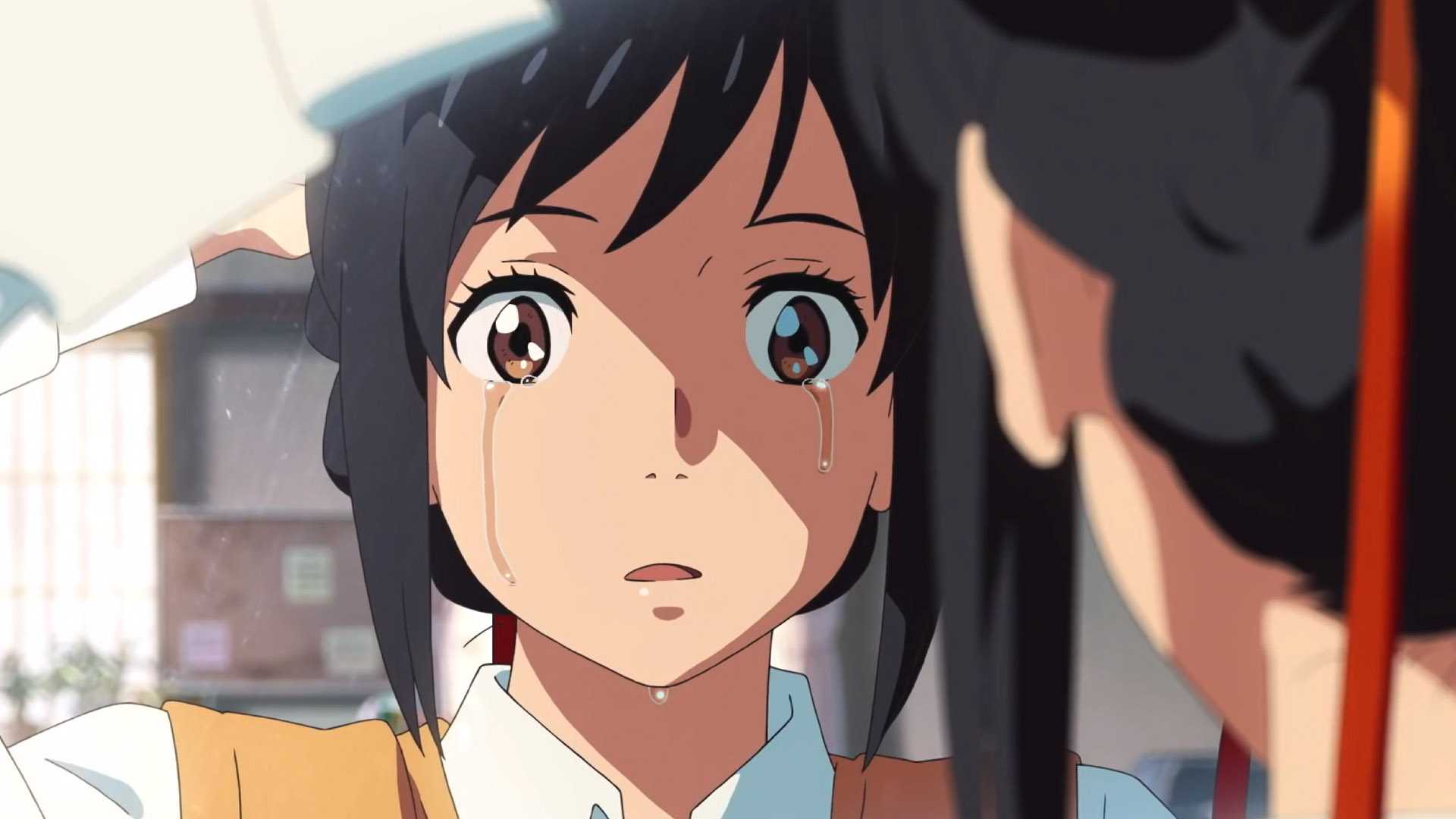
Image via CoMix Wave Films
-
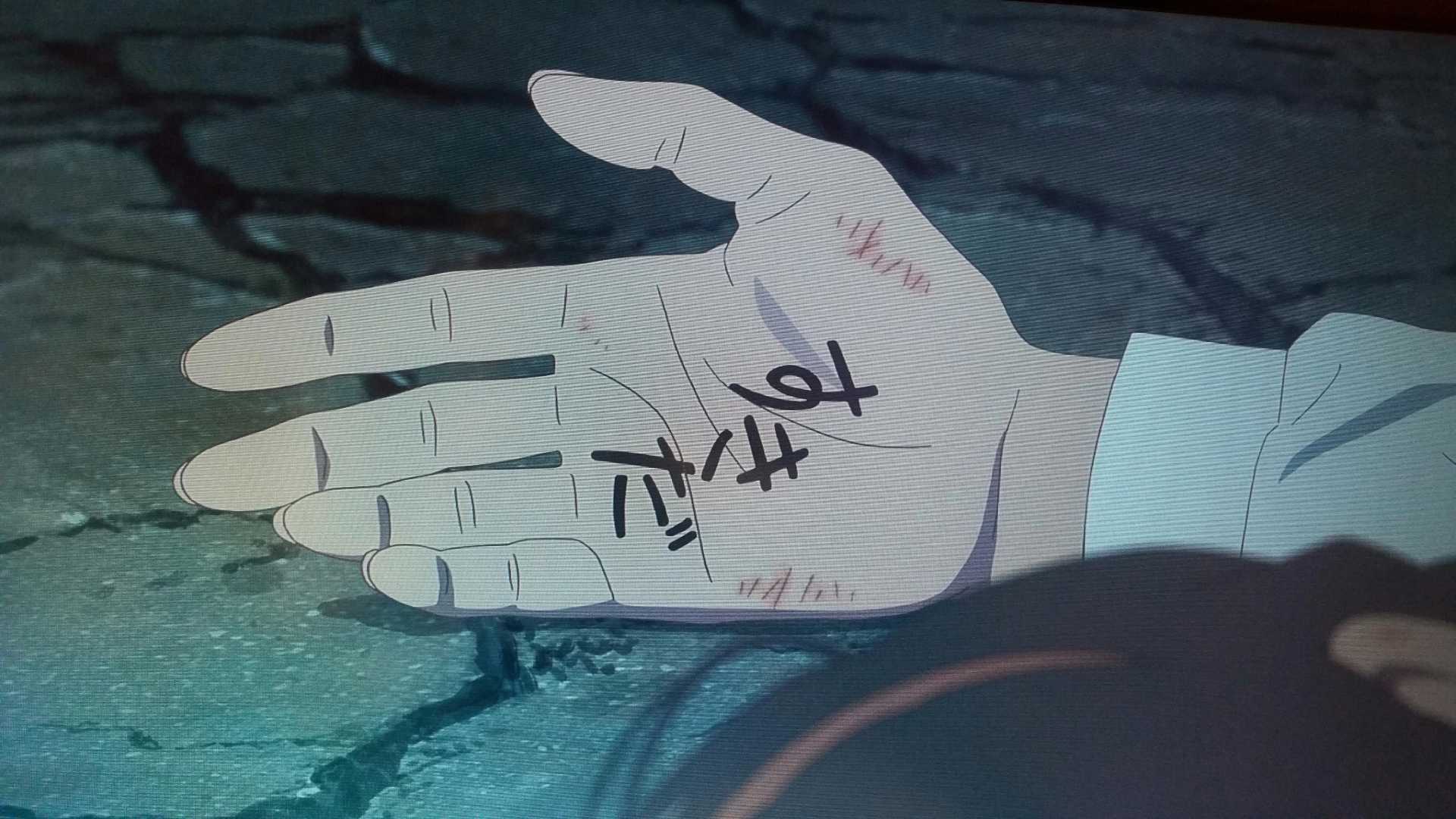
Image via CoMix Wave Films
Your Name kicks off with a classic body-swapping premise as Taki Tachibana and Mitsuha Miyamizu mysteriously trade places, leading to predictable comedic chaos. As they begin leaving each other notes, meddling in one another’s social circles, and navigating unfamiliar lives, the lighthearted setup smoothly evolves into an emotional epic.
The romance succeeds because their bond forms organically and intimately. They come to know each other’s vulnerabilities, daily routines, and embarrassing flaws long before they ever lock eyes in person. Your Name became a worldwide phenomenon because it captured a sense of longing powerful enough to conquer time itself.
Fame Is a Psychological Nightmare in Perfect Blue
Perfect Blue charts the harrowing descent of Mima Kirigoe, a pop idol turned serious actress seeking to reinvent her public image. While some fans lash out against her career transition, increasingly unsettling occurrences lead her to suspect she is being stalked, eventually dissolving the barrier between her acting roles and waking life.
Director Satoshi Kon crafts an atmosphere of pure dread by denying the audience any solid footing on what is actually happening. Scripted scenes from Mima’s television show bleed seamlessly into her reality. Released long before the era of curated social media personas, the film’s terrifying exploration of parasocial obsession and the loss of personal identity feels more prophetic today than ever.
Grave of the Fireflies Is One of the Most Devastating War Movies Ever Made

There are no glorious battles or heroic triumphs to be found in Grave of the Fireflies. Instead, the story follows Seita and his little sister Setsuko, two ordinary children fighting simply to stay alive during the final, desperate months of World War II in Japan. Having lost their home and their mother, they find basic sustenance nearly impossible to secure while global conflicts rage far beyond their understanding.
Rather than focusing on generals, politicians, or tactical strategies, the film zeroes in on the innocent bystanders who must bear the brutal consequences of decisions made miles away. Stripping away all romanticized notions of combat, Grave of the Fireflies stands as one of the most emotionally grueling and unforgettable anti-war films ever produced.
Ghost in. the Shell Asked Questions the Digital Age Still Has Not Answered

Released well before pervasive digital connectivity defined modern life, Ghost in the Shell explores philosophical queries that feel increasingly urgent today. Major Motoko Kusanagi, possessing a predominantly cybernetic physique, hunts a shadowy hacker known as the Puppet Master. This pursuit forces her to grapple with a chilling question: how much of her true humanity can actually be separated from the technology that sustains her?
While the action sequences are breathtaking, the movie is equally content to linger on quiet, atmospheric shots of its sprawling cyberpunk metropolis, making the setting feel genuinely lived-in. Ghost in the Shell remains a classic because it understands that advanced weaponry isn’t the ultimate hazard of a connected world—the true danger is the fragility of human identity itself.
Akira Changed What the World Thought Anime Could Look Like

Akira played a monumental role in proving to international audiences that anime was far more than mere children’s programming. Beyond its landmark technical achievements, the story grounds its visual spectacle in deeply personal stakes. Biker gang members Kaneda and Tetsuo start out as friends, though Tetsuo has long struggled with feelings of inferiority next to Kaneda.
When unexpected psychic awakening grants Tetsuo godlike power, those deep-seated insecurities only amplify. Set against a volatile, politically fractured Neo-Tokyo that is already teetering on the brink of collapse, this potent blend of intimate character drama and apocalyptic sci-fi scale secures Akira‘s legacy as a cinematic milestone.
Spirited Away Is Anime Cinema at Its Most Complete
-
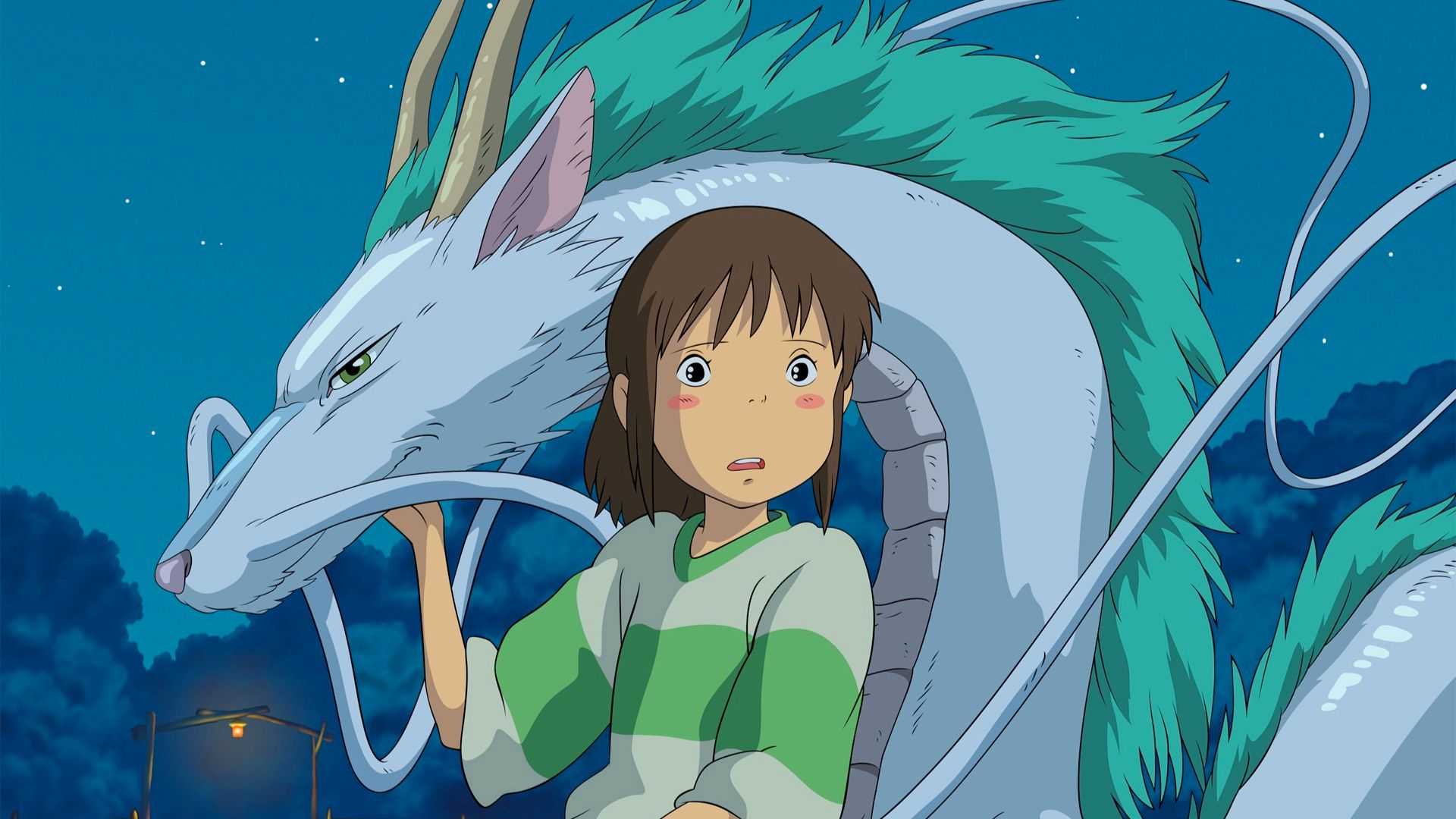
Image via Studio Ghibli
-
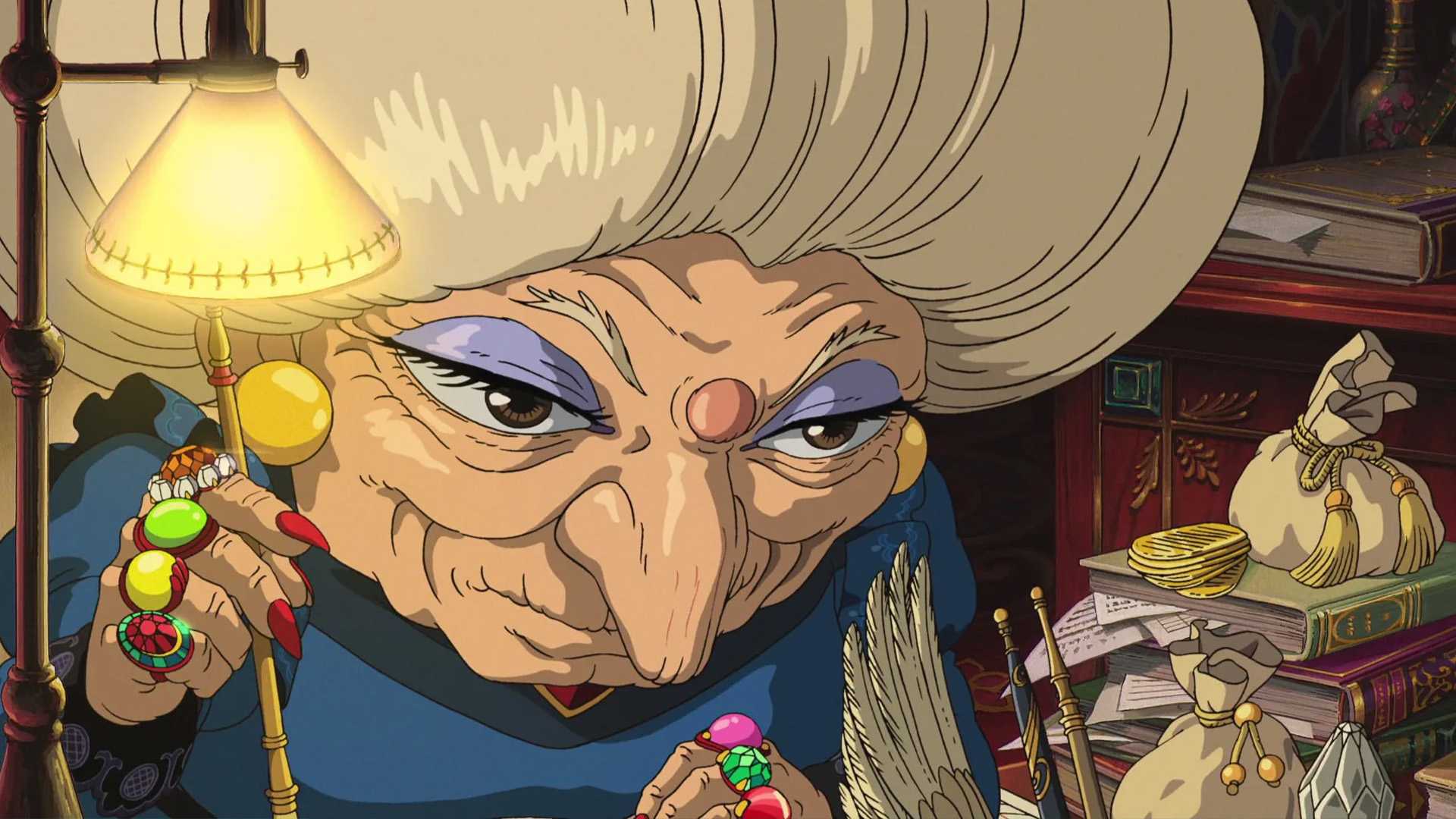
Image via Studio Ghibli
-
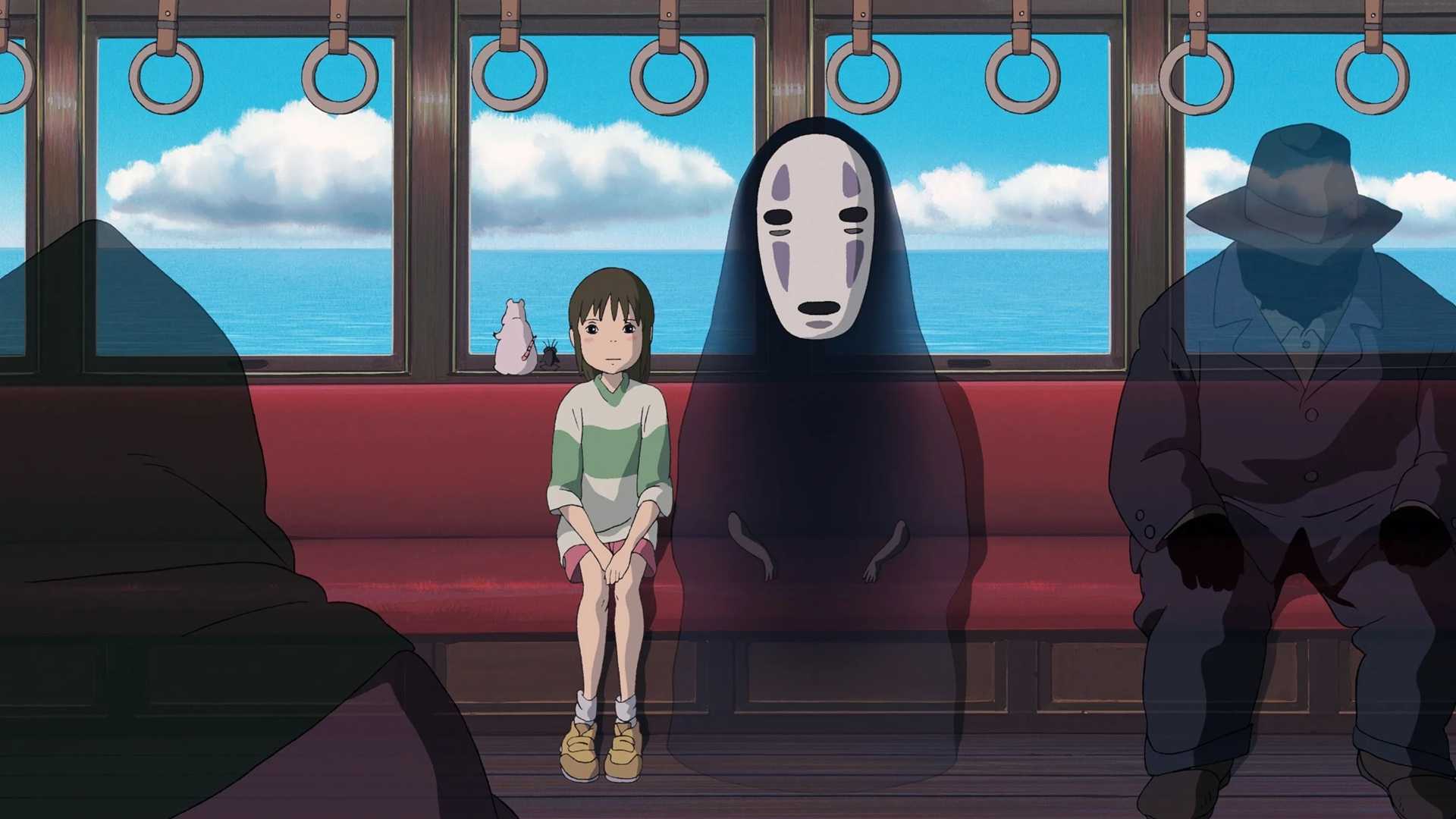
Image via Studio Ghibli
Spirited Away opens with a timid ten-year-old named Chihiro relocating to a new town with her parents. In a terrifying turn of events, her parents are transformed into swine, shadows consume the seemingly abandoned township, and Chihiro finds herself trapped working within a bustling bathhouse for deities and spirits that feels like it has existed for millennia.
The spirit realm operates with its own complex labor structures, demanding clientele, and ancient traditions that Chihiro must master simply to survive. As the journey progresses, she develops remarkable courage, empathy, and resilience, cementing her status as one of Studio Ghibli’s greatest heroes. Few films in animation history match the breathtaking imagination, emotional resonance, and sheer completeness of Spirited Away.