More than forty years ago, Akira Toriyama’s Dragon Ball debuted in the pages of Weekly Shonen Jump, permanently altering the landscape of manga and anime. It quickly established itself as a foundational pillar of the Shonen genre, inspiring countless creators and popularizing a storytelling blueprint still utilized today. Beyond its iconic, high-octane battles, the franchise endures because of its unforgettable cast of characters.
As the blueprint for modern juggernauts like One Piece, Naruto, and Bleach, Dragon Ball fundamentally transformed Shonen. Following the launch of its legendary anime adaptation in 1986, the franchise exploded into a global phenomenon, spawning a massive empire of sequels, spin-offs, movies, and video games. While the projects directly tied to Toriyama’s manga generally enjoy widespread acclaim, original anime expansions have occasionally missed the mark. Among them, Super Dragon Ball Heroes stands out as arguably the weakest entry in the franchise’s history—a series that wrapped up two years ago and that many fans have happily skipped.
Super Dragon Ball Heroes Remains The Worst Series of The Franchise Yet
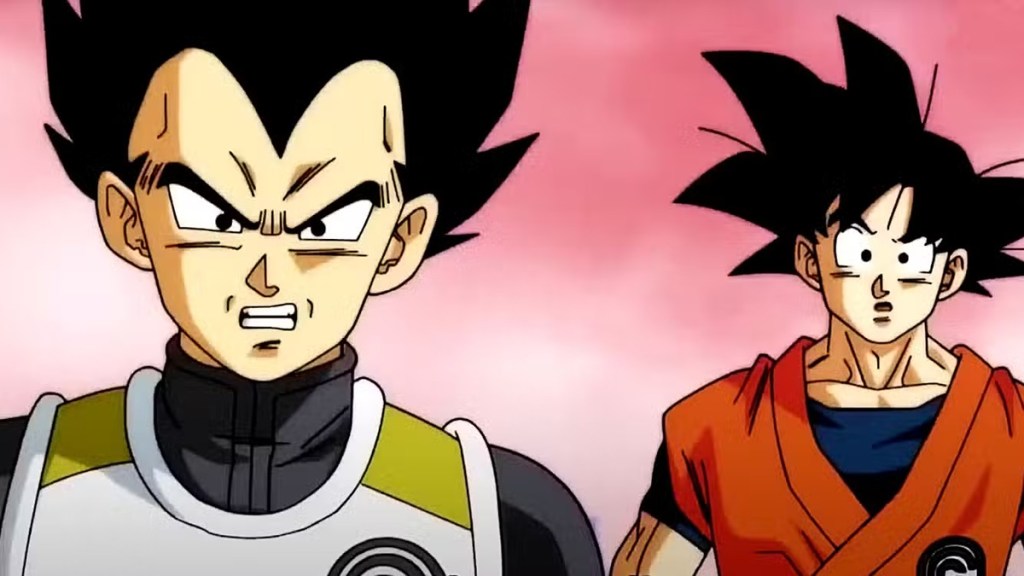
The franchise’s most divisive offshoot drew immediate attention when it premiered in 2018. Functioning as a promotional spin-off roughly tied to the Dragon Ball Super timeline, the anime ran for 56 episodes before officially concluding on August 8, 2024. Primarily designed to advertise the arcade card game of the same name, the show kicked off by adapting the game’s Prison Planet arc. Set after the events of the Tournament of Power, the plot begins when a game-original character named Fu kidnaps Future Trunks, drawing Goku and Vegeta into a strange and isolated facility.
Inside this experimental arena, Fu gathers formidable fighters from various eras and realities, forcing them to hunt down Special Dragon Balls to secure their freedom. Unfortunately, viewers frequently criticize the project for sacrificing narrative coherence in favor of non-stop fan-service and commercial promotion, resulting in a hollow viewing experience.
Compounding these storytelling issues was inconsistent and often subpar animation that failed to live up to the franchise’s visual standards. While Toei Animation handled traditional 2D duties for the first 50 episodes, production shifted to Dimps for the remainder of the run, utilizing 3DCGI assets ripped directly from the arcade game. Ultimately, even years after its initial release, passing on this particular series means you aren’t missing out on anything essential.