Hunter x Hunter follows Gon Freecss, a resilient boy on a quest to become a certified Hunter and track down his missing father. While it begins as a fairly standard shonen narrative, the series steadily transforms, eventually subverting many of the tropes it relies on at the start.
Praised for its deeply layered characters, brilliantly structured power system, and tactical combat that values cleverness over raw power, Hunter x Hunter holds a legendary status in anime history. Furthermore, its knack for shifting genres and tones with nearly every major arc keeps it fresh. Even so, while its reputation is well-earned, a select few shonen anime manage to reach even greater heights.
JoJo’s Bizarre Adventure Breaks Free Of Formulaic Shonen Storytelling Through Its Multi-Generation Setup
While Hunter x Hunter deserves immense praise for evolving its Nen abilities, Hirohiko Araki’s JoJo’s Bizarre Adventure takes reinvention to an entirely different level.
The franchise’s boldest move comes early on when it kills off its original protagonist, Jonathan Joestar, pivoting the narrative away from a single hero and toward the sprawling, cosmic legacy of the Joestar bloodline. Every Part shifts its focus to a new descendant across distinct eras and locations, preventing the overarching story from ever feeling stagnant.
It is remarkably rare for a major shonen property to regularly discard beloved leads to start fresh. Even its core power system transitions seamlessly from Hamon to the much more versatile and imaginative Stands, inspiring hundreds of wildly unique tactical encounters.
Although the tight focus on Gon and Killua yields powerful emotional payoffs by the end of Hunter x Hunter, their journey struggles to match the collective impact of legendary leads like Jonathan, Joseph, Josuke, and Jolyne. Similarly, while Meruem and the Phantom Troupe are phenomenal antagonists, they pale in comparison to the sheer volume of eccentric, unforgettable villains featured throughout JoJo’s Bizarre Adventure.

Hiromu Arakawa’s creative output remains legendary, with Fullmetal Alchemist: Brotherhood standing proudly as a 64-episode masterpiece that tracks the Elric brothers’ perilous quest to repair their shattered family.
Brotherhood succeeds due to its meticulously crafted world and strict magic system bound by the law of equivalent exchange. This rule of sacrifice makes alchemy feel even more compelling than Nen, turning supernatural power into both a dangerous curse and a means of liberation.
By blending deep brotherly bonds, brilliant battle choreography, and a flawlessly paced narrative with a satisfying conclusion, Fullmetal Alchemist: Brotherhood serves as a more streamlined and accessible fantasy epic compared to Hunter x Hunter.
Jujutsu Kaisen’s Dark World Of Sorcery & Curses Pushes Hunter X Hunter’s Foundation Further

-
 Image via MAPPA
 -
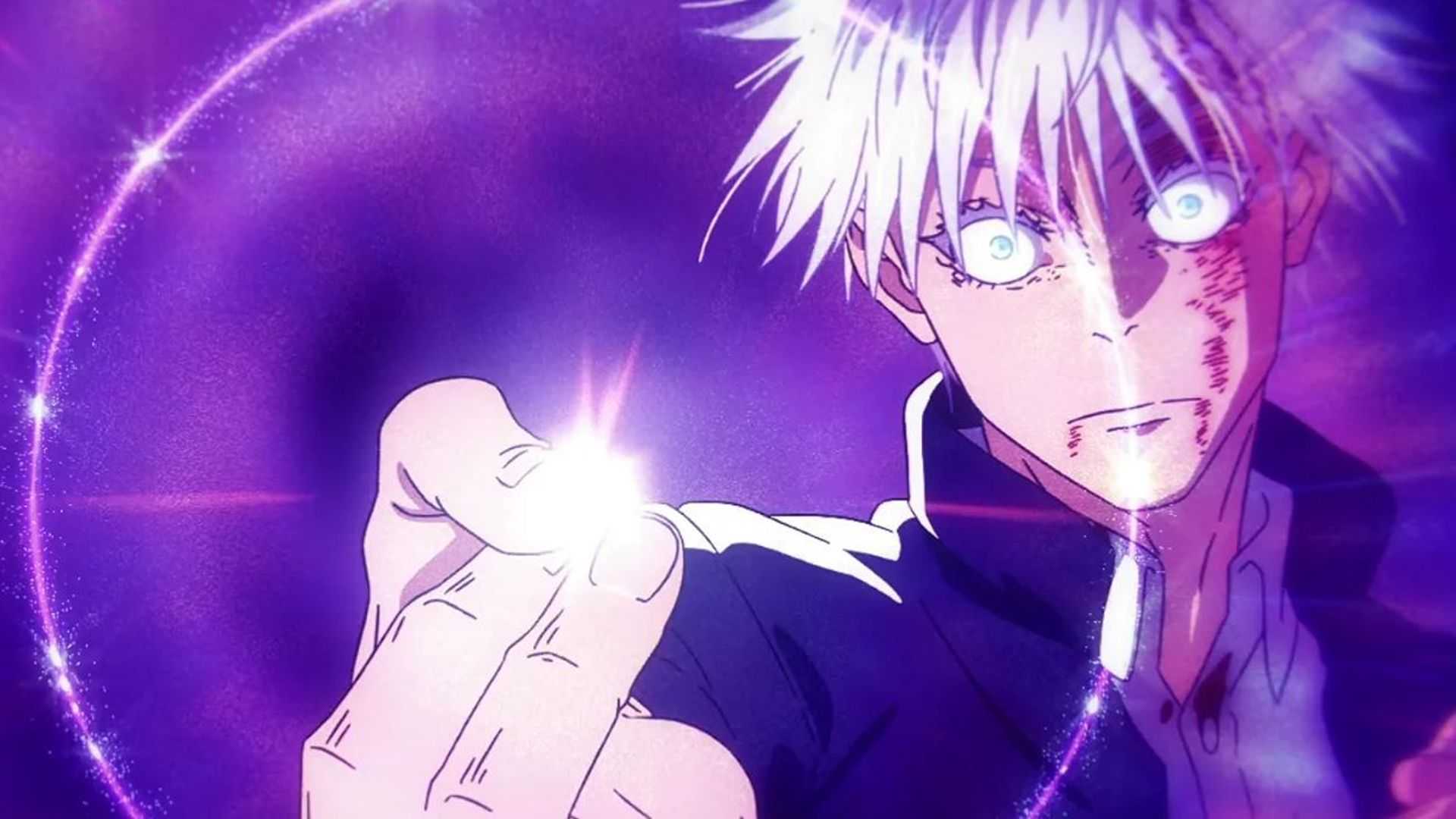 Image via MAPPA
 -
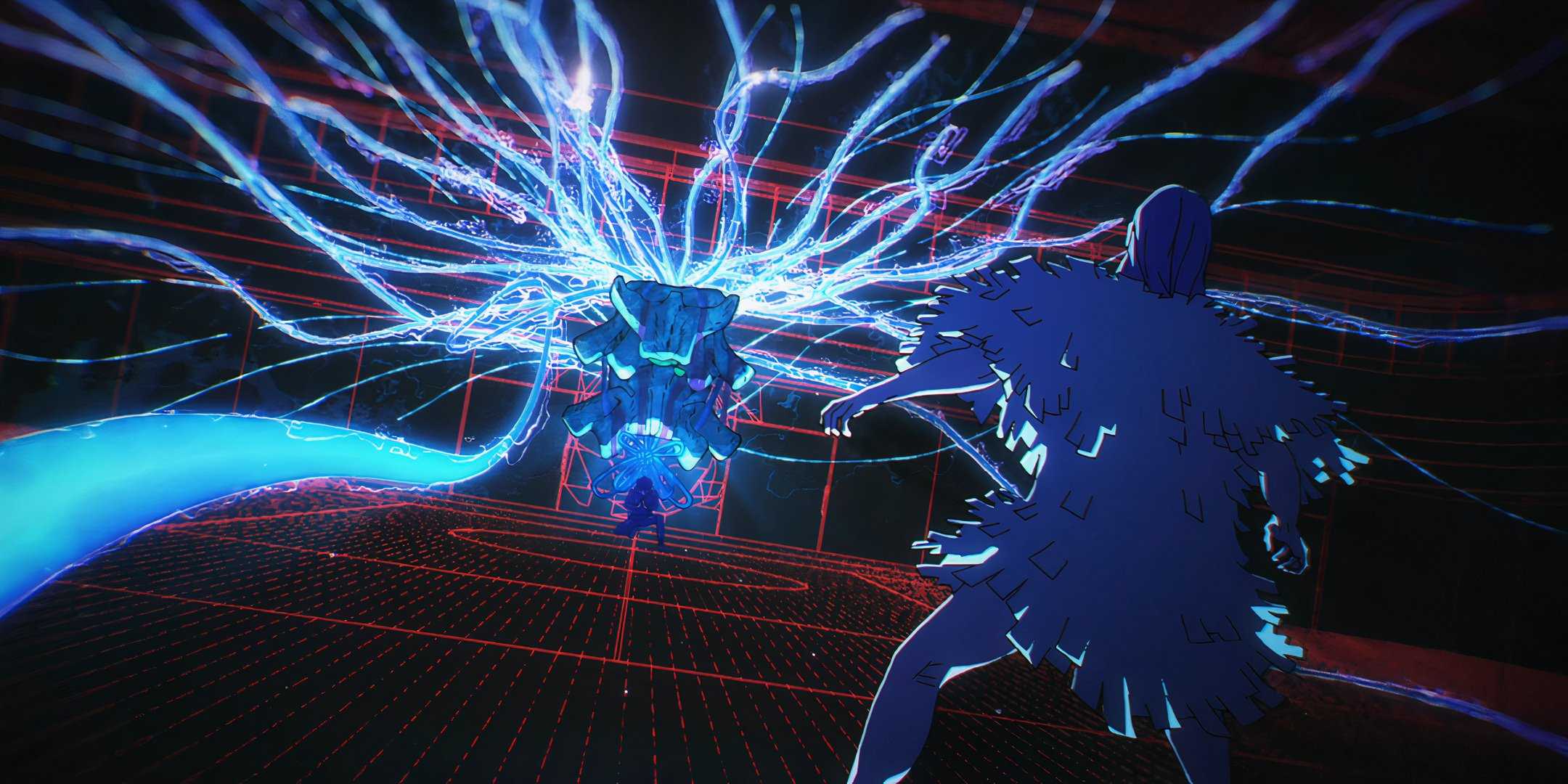 Image via MAPPA’s adaptation
 -
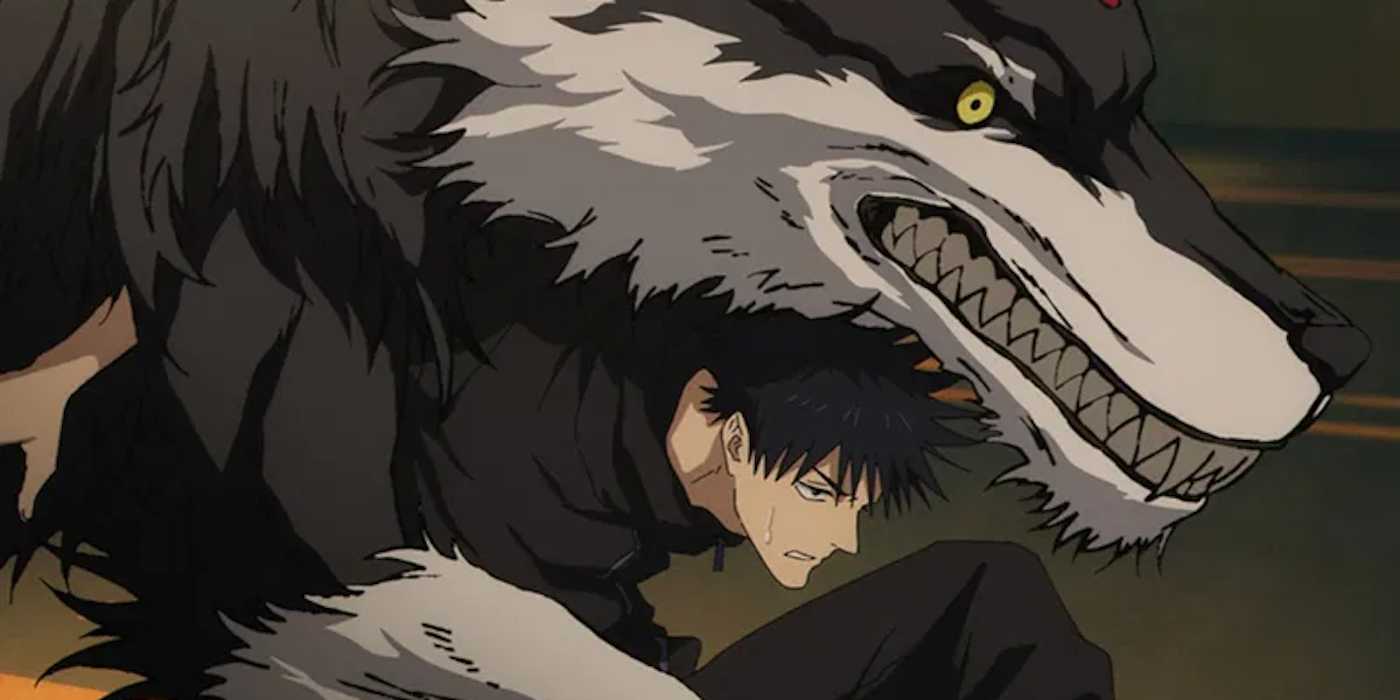 Image via MAPPA
Although Hunter x Hunter and Jujutsu Kaisen debuted eras apart, they both showcase distinct styles of battle shonen storytelling. Jujutsu Kaisen leans into familiar templates via Yuji Itadori, an ordinary teen suddenly drawn into a supernatural conflict, whereas Gon serves as a fascinating deconstruction of the traditional shonen protagonist.
While Jujutsu Kaisen‘s Cursed Energy clearly draws inspiration from Nen, it pushes the concept even further with Domain Expansions and lethal techniques. Hunter x Hunter ventures into dark territory on occasion, but Jujutsu Kaisen fully embraces horror, often feeling like a terrifying thriller disguised as an action series.
Furthermore, Jujutsu Kaisen experiments with non-linear storytelling, willingly sidelines its most powerful characters, and subverts classic tournament tropes. Backed by MAPPA’s phenomenal animation, every major conflict delivers an unforgettable, high-stakes spectacle.
Yu Yu Hakusho Perfects Supernatural Martial Arts In A Fast-Paced Package

Given that both series were created by Yoshihiro Togashi, Hunter x Hunter and Yu Yu Hakusho share a strong creative DNA. While Hunter x Hunter is frequently celebrated as the more refined project due to how it builds upon its predecessor, Yu Yu Hakusho‘s tight pacing and focused core cast make it a preferred choice for many viewers.
Crucially, Yu Yu Hakusho reached a definitive conclusion across 175 manga chapters and 112 anime episodes, avoiding the lengthy hiatuses and sprawling plot threads that still define Hunter x Hunter. Furthermore, its iconic four-person main ensemble remains one of the tightest and most beloved groups in shonen history.
Additionally, Yu Yu Hakusho popularized the modern shonen tournament arc with its legendary Dark Tournament Saga, establishing a benchmark that countless martial arts anime continue to follow.
Attack On Titan Fleshes Out A Detailed Dystopian World Of Terrifying Transformations & Plot Twists
Although both categorized as shonen, Attack on Titan and Hunter x Hunter inhabit vastly different universes. Attack on Titan leans heavily into a gritty, nihilistic realism that reflects the demographic’s evolution toward darker, more mature storytelling.
As a masterclass in slow-burn world-building, the series pairs horrifying monster designs with meticulously planned tactical warfare, all while delivering a constant stream of shocking plot twists.
Dealing with apocalyptic stakes that threaten humanity on a global scale, Attack on Titan fearlessly tackles heavy philosophical questions surrounding war and morality. Eren’s intense psychological and ethical struggles pave the way for an emotionally complex finale that dives far deeper into human nature than the internal dilemmas found in Hunter x Hunter.

- Release Date
- 2011 – 2014
- Directors
- Hiroshi Kôjina
- Writers
- Atsushi Maekawa, Tsutomu Kamishiro