
For millions growing up in the late 1990s and early 2000s, Toonami served as the ultimate entry point into the world of anime, turning weekday afternoons into an exciting ritual of discovery. With thrilling adventures, standout heroes, and wildly inventive settings, every new series felt like a must-watch event. However, the rose-colored glasses of nostalgia have a way of masking flaws that become glaringly obvious with age.
Looking back at several long-lost Toonami titles reveals that an engaging initial hook doesn’t always guarantee a story that holds up over time. As the medium of anime has grown significantly more sophisticated over the last two decades, it has become much harder to forgive shallow character arcs, repetitive plots, and dated animation techniques. Re-examining the block’s older lineup shows that many once-beloved shows are simply products of a specific era rather than hidden classics yearning for a comeback.
Duel Masters Never Escaped Yu-Gi-Oh!’s Shadow

Duel Masters leaned heavily on good timing. Capitalizing on the immense popularity of Wizards of the Coast’s physical trading card game, an anime adaptation seemed like a surefire way to cash in on the collectible card craze. Unfortunately, the series struggled to forge a distinct identity strong enough to escape the towering shadow of Yu-Gi-Oh!.
Because the core concept felt so heavily derivative, viewers had little incentive to genuinely root for Shobu Kirifuda. The English localization only compounded this issue; an endless stream of meta-humor, fourth-wall breaks, and pop-culture jabs routinely upstaged the dramatic stakes, ironically making the English dub far more famous than the actual narrative it was meant to translate.
Once its time on Toonami came to an end, Duel Masters quickly vanished from mainstream pop culture discussions, lacking the narrative depth to compete with rival card-battle franchises that continued to innovate long after it faded away.
Blue Dragon Tried (and Failed) to Become the Next Dragon Ball

Blue Dragon hit Toonami boasting an elite creative pedigree that signaled it was destined to be a cornerstone fantasy epic. With a concept by Hironobu Sakaguchi, character designs by Akira Toriyama, and a musical score by Nobuo Uematsu, the project naturally turned heads by bringing together such legendary industry titans. Those heavy-hitter credentials generated immense expectations, but the final product rarely delivered the narrative spark required to live up to them.
As fantasy anime advanced over the subsequent decade, Blue Dragon‘s limitations became glaring. Its by-the-book coming-of-age narrative, clunky CGI elements, and forgettable antagonists quickly lost their luster when measured against competing series featuring deeper world-building, resonant emotional arcs, and more creative stakes.
Coupled with Microsoft’s unsuccessful push to make Blue Dragon a cross-media empire, the anime ultimately withered alongside its gaming counterpart. Today, it remains a Toonami footnote celebrated more for who worked on it rather than the actual viewing experience it provided.
Rave Master Became Hiro Mashima’s Forgotten Success Story

Long before Fairy Tail cemented Hiro Mashima as a titan in the manga industry, Rave Master put his signature storytelling talents on full display. Haru Glory’s quest blended high-energy action, touching character beats, creative fantasy elements, and lighthearted humor with a self-assurance that deserved far more than an incomplete television run.
While the anime successfully captured the whimsy of Mashima’s universe, it unfortunately halted just as the overarching plot was reaching its most compelling phase. That truncated adaptation proved to be its undoing, ultimately causing it to slip from the public consciousness.
Modern fans typically discover Mashima via Fairy Tail or Edens Zero, leaving Rave Master as a fascinating stepping stone that hinted at his eventual triumphs without ever getting the comprehensive adaptation necessary to sit proudly alongside his later works. Toonami introduced a generation of viewers to Haru and Elie, but a series that cuts off before its grandest emotional payoffs rarely leaves the kind of lasting cultural footprint that spans generations.
MAR Turned Every Story Arc Into the Same Tournament
-
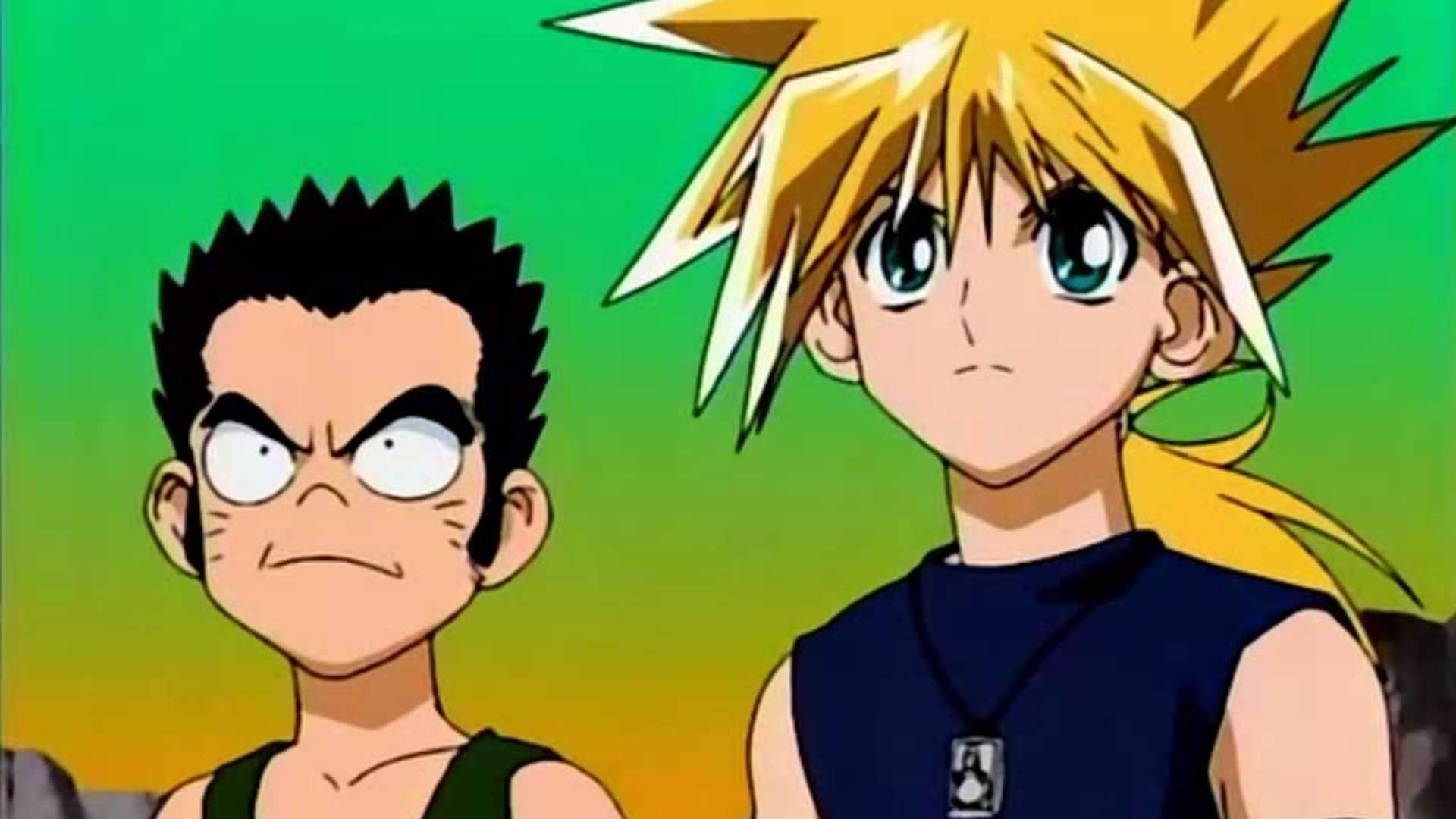 Image via SynergySP
 -
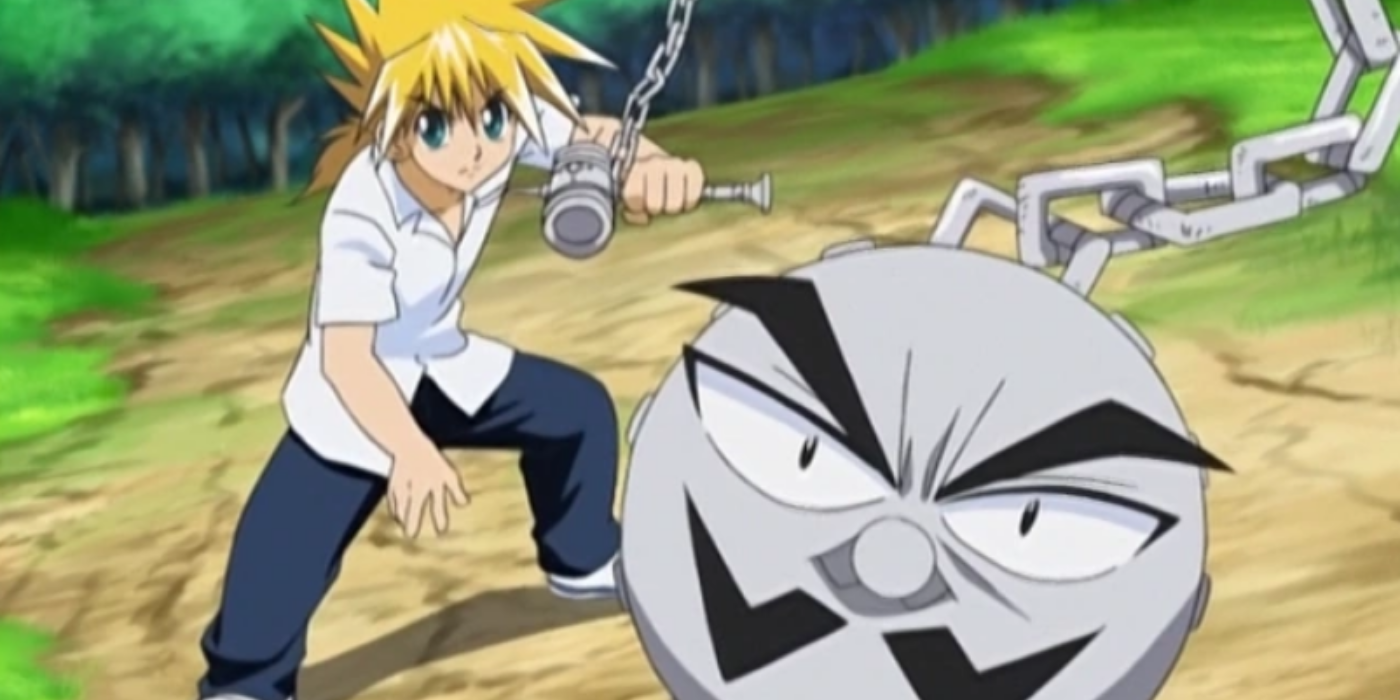 Image via SynergySP
 -
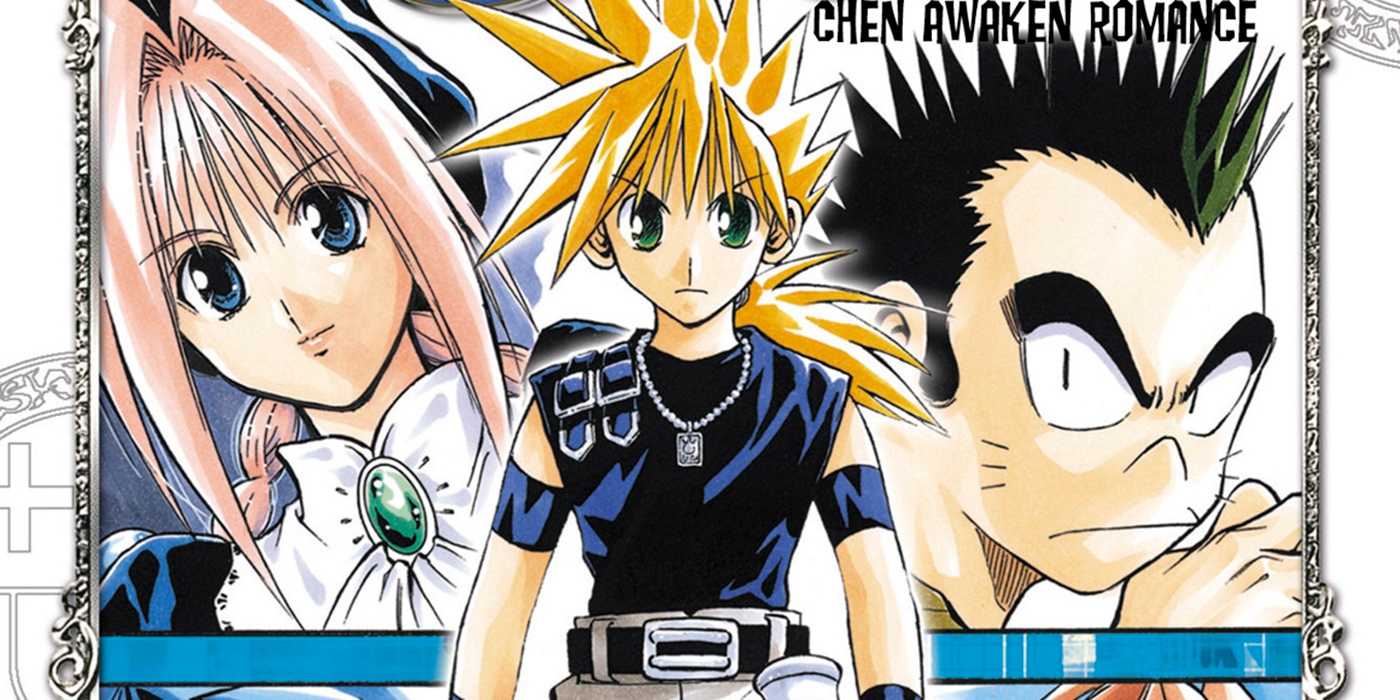 Image via Shogakukan
MAR initially presented a captivating fantasy realm paired with an inventive weapon mechanic that kept early skirmishes fresh and unpredictable. The magical ARM weapons encouraged varied combat tactics, allowing Ginta and his companions to rely on wits alongside brute force. However, the plot continuously fell back on structured tournament arcs until its cleverest elements grew wearingly formulaic.
What started out as a fun escapade settled into a predictable rhythm that rarely offered surprises past the initial episodes. As the battle-shonen genre progressed, this repetition became glaringly obvious.
While other long-running properties evolved by weaving in political maneuvering, shifting allegiances, high-stakes moral dilemmas, and complex character development, MAR remained stubbornly tied to a format that traded one tournament for the next with minimal narrative evolution in between. Once its run on Toonami concluded, entertaining fight sequences alone weren’t enough to rescue it from a sea of forgotten mid-2000s shonen that offered temporary thrills without leaving a lasting mark on the genre.
D.I.C.E. Never Grew Beyond Its Dinosaur Gimmick

D.I.C.E. instantly distinguished itself on the Toonami schedule because its focus on sci-fi rescue operations offered a refreshing break from the martial arts tournaments and supernatural brawls that flooded children’s television. Featuring armored mechs, transforming vehicles, and flashy gadgets, the show delivered high-speed thrills that kept younger viewers hooked whenever a crisis struck. Sadly, the excitement rarely extended past the immediate rescue operations, leaving the underlying plot with virtually no room to mature.
That ceiling became impossible to ignore as the episodes piled up. Virtually every narrative arc followed a rigid blueprint: touch down on a new planet, solve a high-tech emergency, hammer home a message about teamwork, and immediately jet off to the next crisis. This cyclical approach caused episodes to blur together behind a flashy exterior.
Subsequent mecha series proved how a concept could be used to cultivate deep rivalries, trace genuine character growth, and build profound emotional weight. These strides made D.I.C.E. look less like an underrated gem and more like a clever gimmick that never figured out how to grow up.
Tenchi in Tokyo Replaced Everything Fans Loved About the Franchise
-
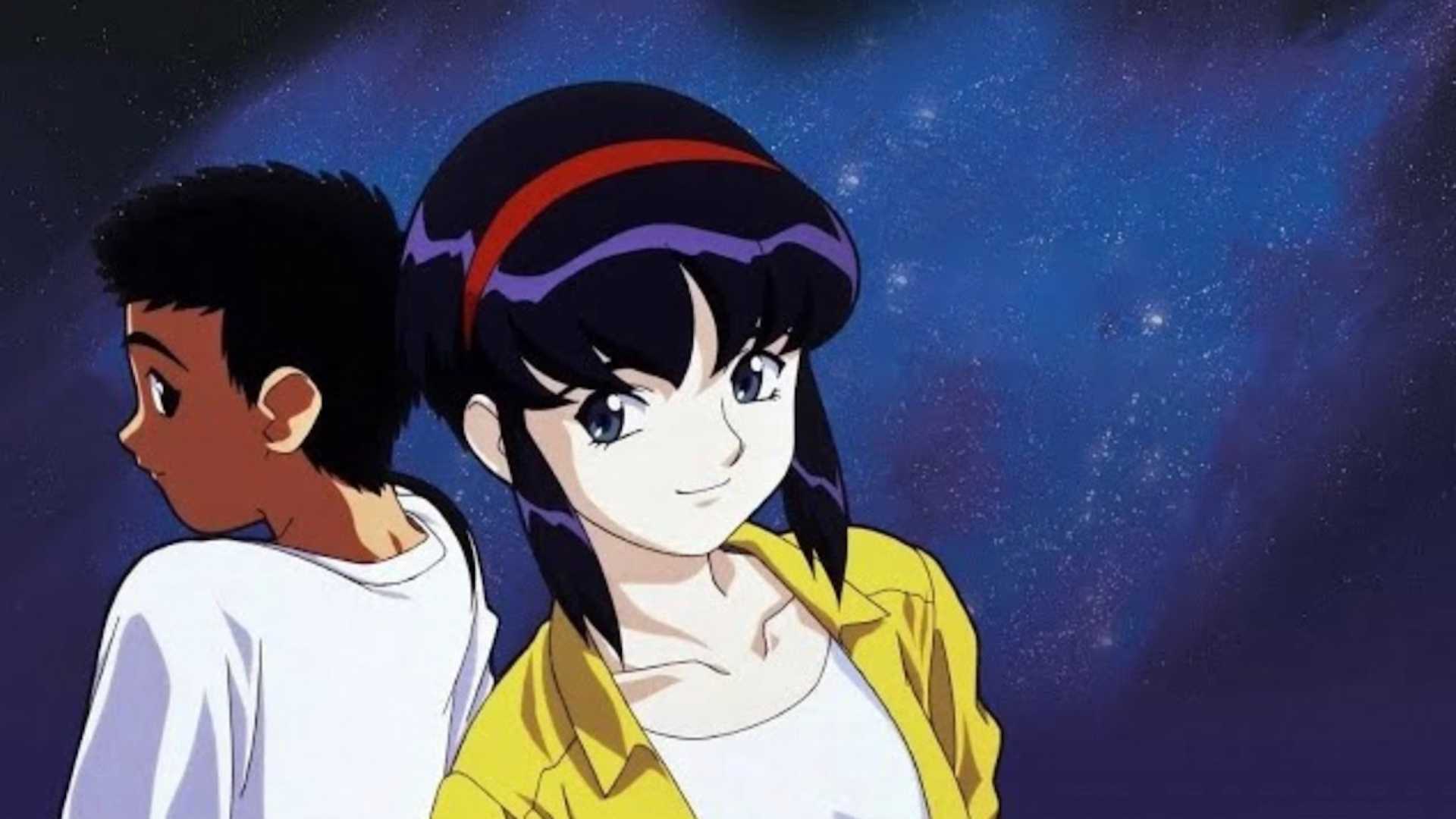 Image via AIC
 -
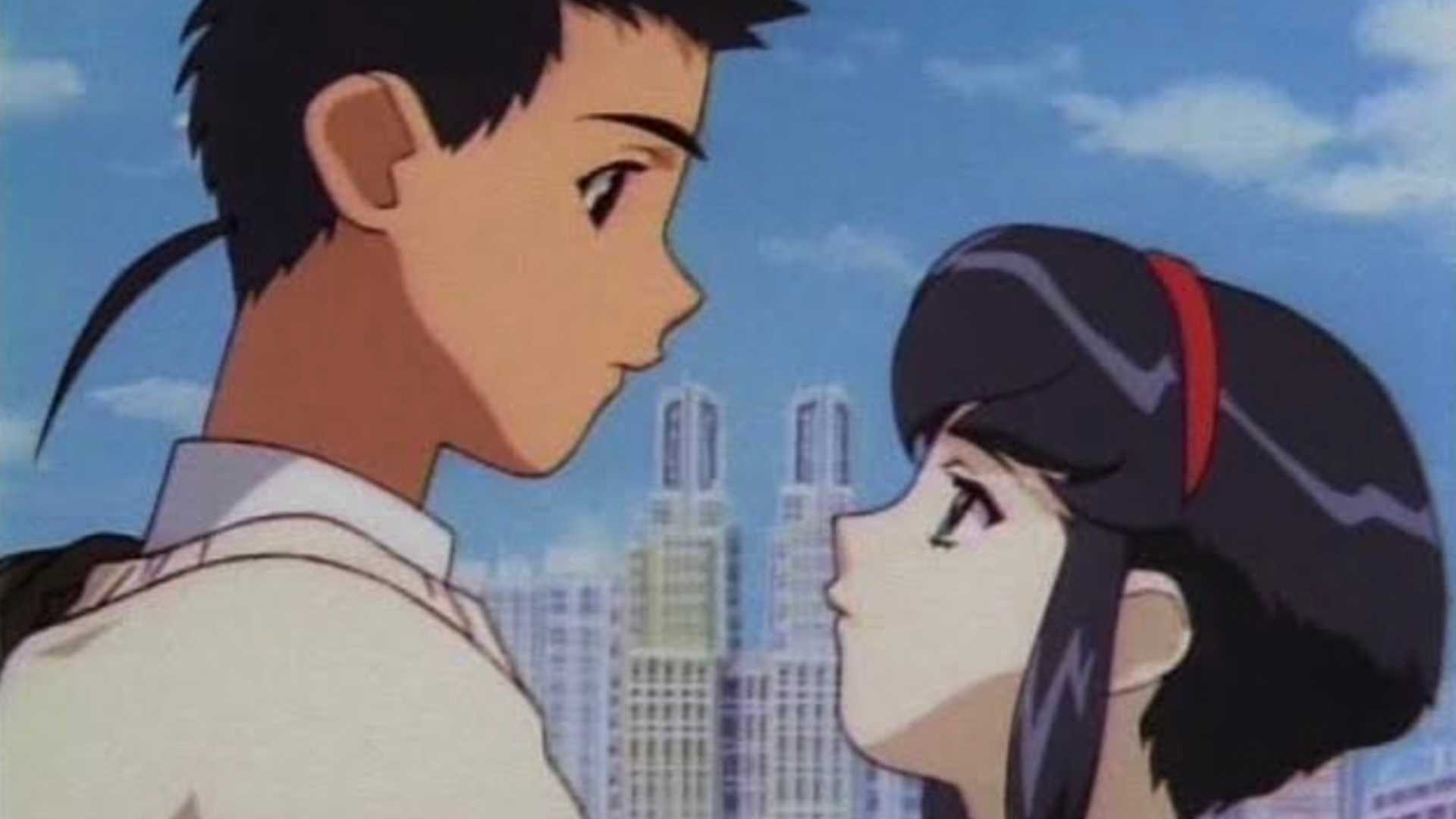 Image via AIC
 -
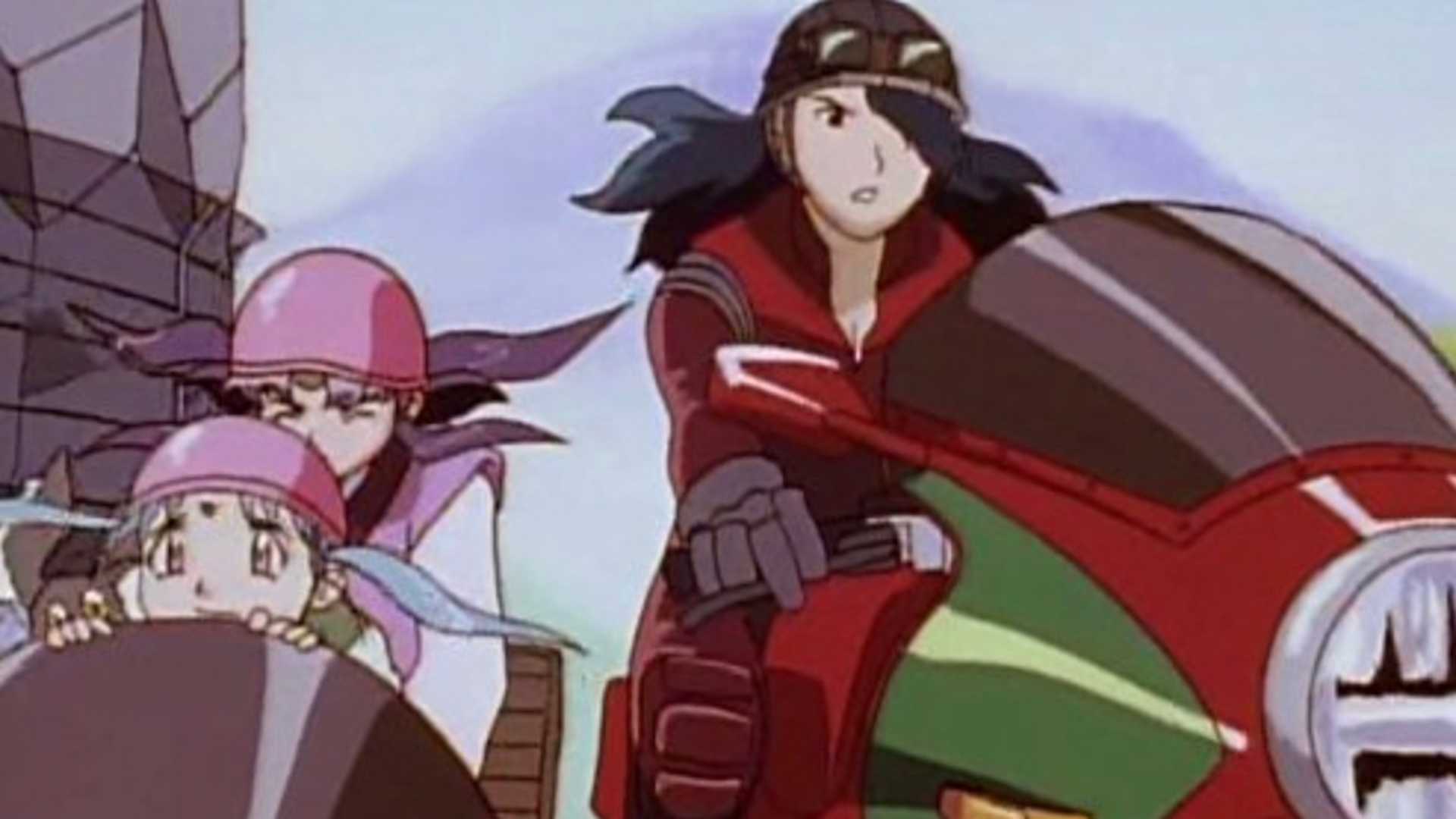 Image via AIC
Tenchi in Tokyo took a massive gamble by entirely divorcing itself from the established canon that made Tenchi Muyo! a premier harem anime. By establishing a standalone timeline, introducing Sakuya Kumashiro as the focal romantic interest, and leaning heavily into traditional romance tropes, the series shifted its identity entirely—leaving very little room for the chaotic ensemble chemistry that fans loved about the property in the first place.
While these creative swings gave the show a unique flavor, they simultaneously alienated the passionate fanbase that had built up around the franchise. Ultimately, that artistic departure became its downfall. Even today, recommendations for newcomers point toward the original OVAs or Tenchi Universe, relegating Tenchi in Tokyo to conversations regarding misfired adaptations and divisive narrative choices.
Toonami undoubtedly provided the series with a massive platform. Unfortunately, broader reach couldn’t mask the reality that it discarded the humor, character interplay, and manic charm that made prior iterations of Tenchi so beloved, leaving behind an alternate-universe experiment that few are eager to revisit.
Transformers: Energon Turned a Legendary Franchise Into a Technical Mess

On paper, Transformers: Energon looked like a guaranteed slam dunk for Toonami. As the middle chapter of the Unicron Trilogy, it inherited a ready-made audience, expanded upon the lore surrounding Unicron, and promised grander battles featuring an even larger roster of Autobots and Decepticons, positioning it perfectly to surpass its predecessor.
Unfortunately, awkward computer-generated graphics, stiff character movements, wooden voice acting, and clunky dialogue continually sabotaged these lofty goals, robbing major action sequences of any real impact. Time has only magnified those flaws, especially considering how much further subsequent entries pushed the envelope.
Shows like Transformers: Animated and Transformers Prime refined the core cast, adopted sharper visual aesthetics, and forged genuine emotional stakes that made viewers care deeply about the conflict, throwing Energon‘s glaring shortcomings into sharp relief. While a dusting of pure nostalgia keeps it alive for a handful of dedicated fans, broader franchise conversations quickly steer toward superior adaptations, cementing Transformers: Energon in memory for its technical stumbles rather than its storytelling ambitions.